Credit Privacy Number Trading Felonies
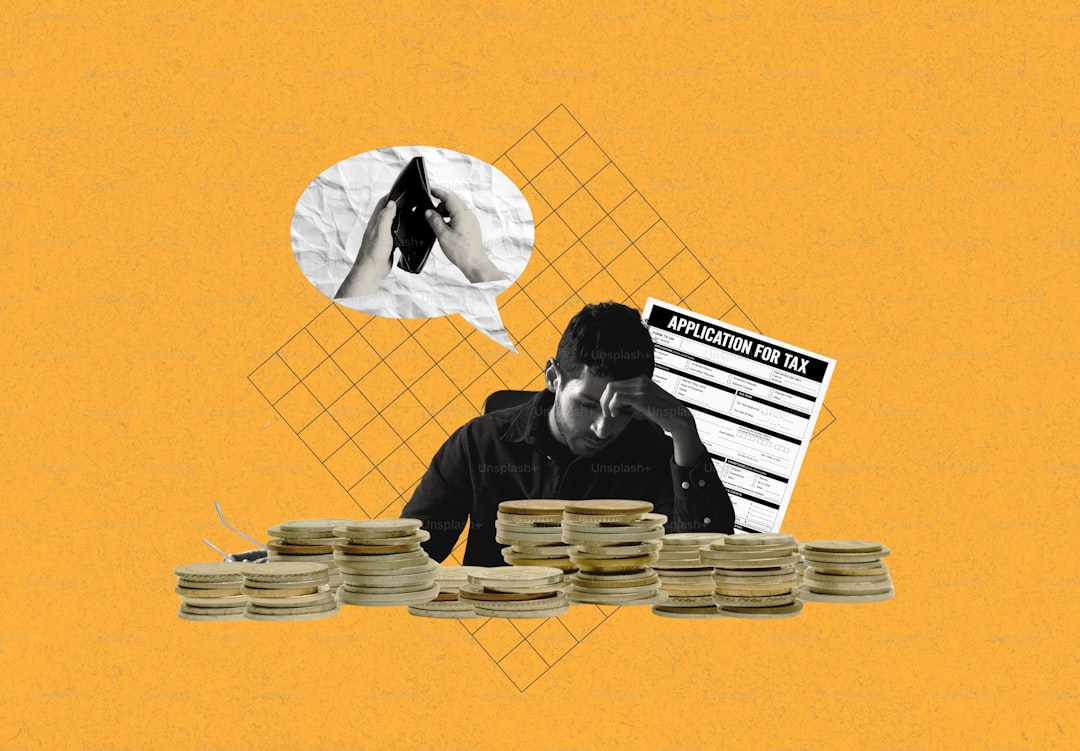
Here’s the hard truth: trading in Credit Privacy Numbers is not a clever loophole. It is a felony. And it’s one of the most insidious offline consumer ripoffs targeting middle-class Americans who are desperate to repair their credit.
Let’s be clear from the start. A Credit Privacy Number is often marketed as an alternative to your Social Security number. Scammers tell you that you can legally use it to apply for credit, open bank accounts, or even get a mortgage. But what they don’t tell you is that in nearly every case, the CPN they’re selling is either a stolen Social Security number—usually from a child, a deceased person, or an identity theft victim—or a number that has been fabricated outright. When you use it, you are not fixing your credit. You are committing wire fraud, bank fraud, and identity theft. Federal prosecutors don’t treat this as a minor offense. They treat it as a felony that can land you in prison for years.
The worst part is that the people selling these numbers know exactly what they’re doing. They target you offline, through local seminars, community center workshops, or even flyers left on your car windshield. They promise to “erase” your credit history and give you a clean slate. They usually charge between $2,000 and $5,000 upfront. And once they have your money, they disappear—or worse, they hand you a number that’s already flagged by the Social Security Administration and the credit bureaus. The moment you use it, you become a target of a federal investigation. Your bank accounts can be frozen. You can be charged with identity fraud. And the original victim of the stolen SSN—often a child or an elderly person—may never recover the damage to their own credit.
This is not a scam reserved for the desperate. Unreputable has received reports from people who thought they were being smart. They saw the ads, attended the pitch meetings, and paid cash because they were told the program was “legal as long as you don’t lie.” That is a flat-out lie. The Fair Credit Reporting Act, the Truth in Lending Act, and federal wire fraud statutes all apply. There is no such thing as a legal CPN that replaces your Social Security number for credit purposes. The Social Security Administration has made this clear for years. The Federal Trade Commission has issued warnings. And the Department of Justice has prosecuted dozens of CPN schemes.
So why do these ripoffs persist? Because they operate in the shadows of the offline world. Unlike phishing emails or text smishing, which leave digital trails, these scams happen in hotel conference rooms, church basements, and living room meetings. The salesperson hands you a photocopied contract that says “for educational purposes only.” They take cash or money orders. They never put anything in writing that directly admits you are using a fake number. By the time you realize you’ve been duped, the money is gone, and the federal agents are knocking on your door.
If you are between the ages of 45 and 64, you are a prime target for these offline ripoffs. Why? Because you likely have a longer credit history with dings you want to fix, and you may be less comfortable navigating online credit repair forums. Scammers know you want a solution that feels tangible and private. They play on your shame and your hope. But there is no shortcut. Legitimate credit repair takes time, discipline, and transparency. It involves disputing errors on your credit reports, paying down debt, and negotiating with creditors. It does not involve buying a stolen number from a stranger in a strip mall.
If you or someone you know has been approached with a CPN offer, walk away. Report it to the FTC at ReportFraud.ftc.gov and to your state attorney general’s office. If you have already paid for a CPN, do not use it. Contact an attorney who specializes in consumer protection law. And understand that the people who sold it to you are criminals—but the only way to stop them is to refuse to play their game.
The middle class is already squeezed by high interest rates, stagnant wages, and rising debt. The last thing you need is a federal felony added to your problems. Protect yourself by knowing the truth: Credit Privacy Number trading is a felony. Period.
Scam Watch
Protect it before they take it.

Political Donation Text Scams During Election Season
Returning a Card With Funds Already Transferred