Crypto Pig Butchering: How Fake Investment Mentors Steal Retirement Savings
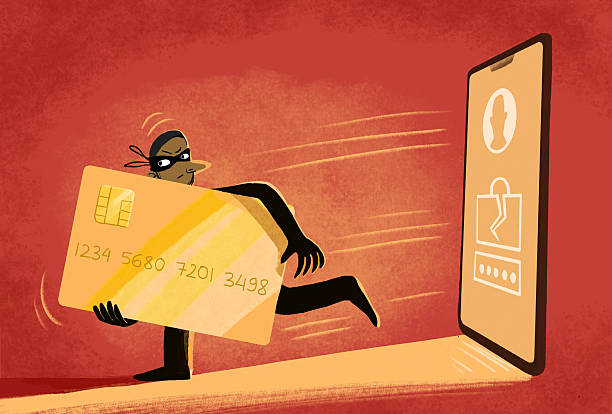
It usually starts innocently. A wrong-number text arrives. A dating app match seems unusually attractive and successful. A LinkedIn message praises your career. The stranger is patient. They chat about family, hobbies, faith, travel, and daily life. After days or weeks, they mention cryptocurrency or a special investment opportunity. They say a relative, mentor, or trading group helped them. They show screenshots of profits. Then they invite you to a website or app that looks professional.
The first deposit is small. The platform displays gains. You might even withdraw a modest amount successfully. That withdrawal is bait. It proves the system works and lowers your guard. The scammer then encourages larger deposits. They suggest using retirement funds, home equity, loans, credit cards, or family money. If you hesitate, they apply emotional pressure. They say the opportunity is closing, that they care about your future, or that fear is keeping you poor. They may introduce an account manager or customer service representative.
What you do not see is that the platform is fake. The charts and balances are numbers on a criminal’s website. Your money is converted to cryptocurrency and sent to wallets controlled by the scam group. When you try to withdraw, problems appear. You are told to pay taxes, mining fees, verification fees, or liquidity fees. You pay, but the withdrawal never arrives. Eventually the scammer disappears or turns hostile. Some victims are then contacted by people claiming they can recover lost funds for an upfront fee. That is almost always a second scam.
There are clear warning signs. Unsolicited investment advice is a red flag. Guaranteed returns with no risk do not exist. Pressure to act quickly is a tactic. Anyone you met only online who teaches crypto trading should be treated with suspicion. Fake apps are often distributed through links, not official app stores. You may be told to send crypto to a personal wallet or pay with gift cards, wire transfers, or cash. A real investment platform will not require a fee before releasing your own money. If you cannot withdraw without sending more, stop immediately.
Cryptocurrency makes this crime easier because transfers are often irreversible. Once you send Bitcoin, Ethereum, or USDT to a scammer’s wallet, there is no bank to call for a chargeback. Criminals move funds quickly through multiple wallets and exchanges. Adults aged 45 to 64 are attractive targets because they often have accumulated savings, retirement accounts, and home equity. Scammers also exploit loneliness and the natural desire to trust someone who seems to care.
Protect yourself by slowing down. Never use investment links sent by text, email, or social media. Verify the platform with the SEC, CFTC, FINRA, or your state securities regulator. Search the company name with the word scam. Ask a trusted family member, accountant, or attorney before moving large sums. Never share passwords, two-factor codes, or crypto seed phrases. Never allow remote access to your computer or phone. If you use crypto, keep it in a wallet you control and use regulated U.S. exchanges. If an online romantic interest or new friend wants you to invest, assume it is fraud.
If you have already sent money, act quickly. Stop all payments. Contact your bank, credit card company, and any crypto exchange involved. Report the scam to the FBI’s Internet Crime Complaint Center, the Federal Trade Commission, and state regulators. Keep every message, wallet address, website link, and receipt. Tell someone you trust. Shame keeps victims silent and helps criminals continue. Recovery is difficult, but fast reporting can sometimes help investigators. A legitimate investment will not rush you, guarantee profits, or require payment to withdraw your own funds. When romance and crypto profits arrive together, pig butchering is the most likely explanation.
Scam Watch
Protect it before they take it.


The Dual Agency Trap: When Your Real Estate Agent Works Against You

Self-Directed IRA Custodian Due Diligence