Fake Bank Alerts: The Phishing Scam That Never Dies
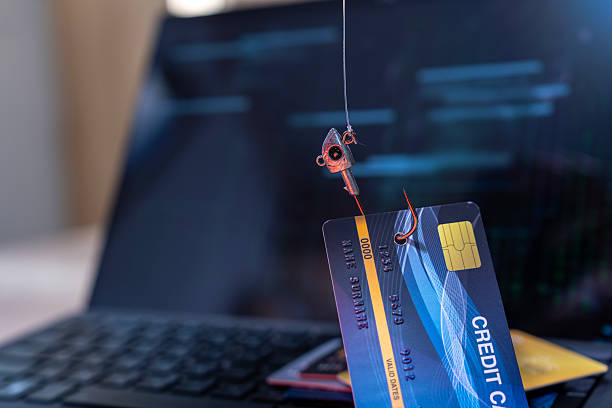
This is fake bank alert phishing, and it is the most durable, effective scam in existence. Why? Because it uses two things that every middle-class American has: a bank account and a natural reflex to obey authority when money is on the line. Scammers know that you are not stupid. They know you have heard about phishing. So they have refined their craft to bypass your skepticism and hit your fight-or-flight response. They do not send obvious emails with misspelled words and weird fonts anymore. They clone the exact look of your bank’s login page. They personalize the greeting with your name. They even call you on the phone pretending to be a fraud department agent, reading off the last four digits of your card. It feels real because it is real enough to fool anyone who is not paying complete attention.
The mechanics are simple, which is why the scam never dies. First, the bait: an email, text message, or automated phone call that creates urgency. The language is always about unauthorized access, account suspension, or a large purchase you must dispute. Second, the hook: a link to a fake website that looks identical to your bank’s site. That site asks you to “log in” to confirm your identity. Once you do, you have handed over your credentials. Third, the kill: scammers immediately log into the real bank website using your information, drain your checking account, change your password, and are gone before you ever realize the first log-in was a trap. Sometimes they call you again, pretending to be a bank employee who “sees the fraud” and asks for a verification code sent to your phone. That code is the two-factor authentication text your bank sent when the scammer tried to change your password. You read it to them, and they thank you politely before emptying your retirement funds.
People over sixty are especially targeted, but anyone aged forty-five to sixty-four is prime game because that age group tends to have money, trust their bank, and still answer unknown phone numbers. Scammers also use smishing, the text message version, because a text feels less formal and more urgent. A message that says “Chase Alert: Your account is temporarily limited. Verify now at chasеverify.com” looks terrifyingly authentic. The “е” in Chase is actually a Cyrillic character, but your eyes do not catch that on a phone screen. You click, you type, you lose.
Here is the no-nonsense truth: no real bank will ever ask you to click a link in an email or text to fix a problem. No real bank will ever call you, ask you to share a verification code, or request your online banking password. Anyone who does that is a liar trying to rob you. So what should you do? The moment you see a message about a locked account or unauthorized purchase, stop. Do not click. Do not call the number in the message. Instead, open a new browser tab and type your bank’s web address manually. Go directly to their official website and log in. If there is a problem, you will see an alert there. You can also call the number printed on the back of your debit card. That number is real. Use it.
Also, turn on two-factor authentication for every financial account you own. This means the bank sends a code to your phone when you log in from a new device. Even if a scammer gets your password, they cannot log in without that code. And never, ever share a code with someone who calls you, no matter what they say. The code is yours and yours alone. Finally, change your banking passwords today, not tomorrow, and make each one long and unique. Use a passphrase like “RedTruck33!Coffee” instead of a single word. Write it down on paper and keep it in a drawer if you must, because paper in your house is safer than a password manager stored in a cloud that can be breached.
The fake bank alert is not going away. It mutates, but it follows the same script. The only real defense is your own deliberate habit: pause, verify independently, and never let urgency push you into a click. Your bank account does not have a deadline. Scammers want you to think it does. They are wrong, and you can prove it by simply hanging up, closing the message, and calling your bank the careful way. Do that, and you will never join the roster of victims they brag about in the phishing hall of shame.
Scam Watch
Protect it before they take it.

The Microsoft Security Alert Scam: How a Fake Warning Can Empty Your Bank Account
The Phantom Rental Listing: How Fake Landlords Steal Your Application Fee