FedEx "Label Fee" Bitcoin Demands
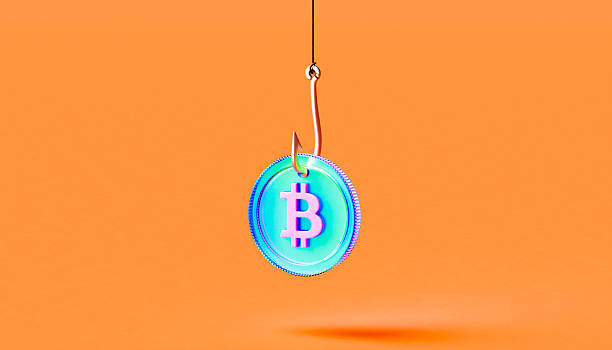
How does this scam work? The basic setup is simple. First, you receive an unsolicited email, text message, or even a voicemail claiming that a FedEx shipment requires a small label fee before delivery. The amount is deliberately tiny—often less than three dollars. That low number makes you think, “It’s not worth arguing about. I’ll just pay it.” But the scammers do not want your three dollars. They want your Bitcoin wallet, your bank account, or your identity. After you agree to pay, they direct you to a fake payment page that looks exactly like FedEx’s real website. But instead of accepting credit cards or PayPal, the page demands payment in Bitcoin. Some versions ask you to send cryptocurrency to a specific wallet address. Others guide you through buying Bitcoin at a local ATM or exchange and then sending it to them. Once you send that cryptocurrency, there is no chargeback. No bank to call. No reversal. Your money is transferred instantly and permanently to a criminal overseas.
Why do scammers target middle-aged and older Americans with this trick? People in the 45–64 age range are often comfortable using email and texting but may not be fully aware of cryptocurrency scams. They tend to be responsible bill-payers who do not want to miss an important delivery. The combination of a low fee and a time limit (the message often says “pay within 24 hours or your package will be returned”) creates urgency. Scammers know that older adults are more likely to trust official-looking logos and contact information. They also know that once you pay the Bitcoin fee, you are unlikely to report it to police because the amount seems too small to matter.
There are several red flags that should tell you this is a scam. First, FedEx does not send unsolicited text messages or emails asking for payment in cryptocurrency. The company’s official policy is to charge label fees to the shipper, not the recipient. Second, no legitimate shipping company demands Bitcoin or any other cryptocurrency for a fee. Credit cards and debit cards are the standard payment methods. Third, the message often contains grammatical errors, odd spacing, or a return email address that does not end in “fedex.com.” Fourth, if you hover your mouse over any link in the email without clicking, the actual web address will be something like “fedex-label-pay.xyz” or “trackfedex-support.ru,” not “fedex.com.”
If you receive one of these messages, do not click any links, do not call the phone number provided, and do not reply. Instead, report the message to the real FedEx directly at their customer service line or through their official website. You can also forward phishing emails to the Federal Trade Commission at reportfraud.ftc.gov. For text message scams, you can forward the message to 7726 (SPAM) and then delete it.
Protecting yourself goes beyond this single scam. Missed package cons are part of a larger pattern of online fraud that uses fake delivery notifications to steal money or personal data. The same criminals who pretend to be FedEx also pretend to be UPS, USPS, Amazon, and DHL. They constantly change their tactics. That is why you should never pay any unexpected fee using cryptocurrency, gift cards, or wire transfer. Those payment methods are nearly impossible to trace or recover.
Remember, no shipper will ever demand Bitcoin to release your package. If you are worried about a real delivery, check your email or order history to confirm you are expecting a package. Then go directly to the official website by typing the URL yourself—never by clicking a link from an email or text. The scam works because it exploits your sense of urgency, your trust in a well-known brand, and your unfamiliarity with cryptocurrency. Stay skeptical. Stay informed. And if that three-dollar label fee arrives via text, ignore it and delete it. Your wallet—and your peace of mind—will be better for it.
Scam Watch
Protect it before they take it.

Printer Ink Subscription Auto-Renewal Trap
Fake Lottery Winnings: How Advance-Fee Prize Scams Empty Bank Accounts