Free Gift Card Links from Faux Retailers
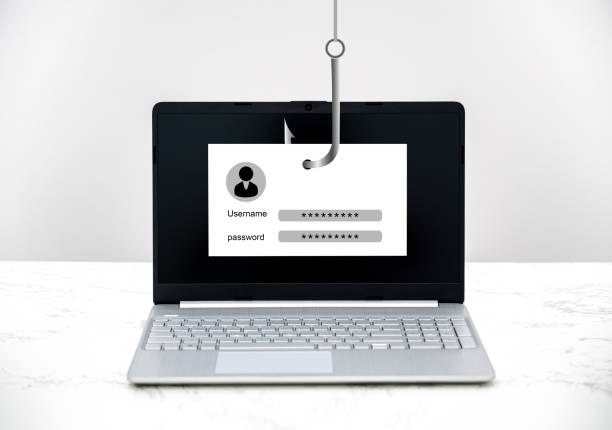
Smishing, a portmanteau of “SMS” and “phishing,” is the cousin of email phishing but delivered straight to your text message inbox. Unlike email, which might land in a spam folder, texts feel immediate and personal. Scammers exploit this trust. They impersonate familiar names—Amazon, Walmart, Target, or even local grocery chains—to dangle a free gift card link as bait. The link does not lead to a legitimate retailer’s website. Instead, it takes you to a convincing fake page designed to steal your credentials, credit card numbers, or even install malware on your device.
These fake retailer texts often follow a predictable pattern. They claim you have a “limited time” offer or a “final reminder” to claim your card. The urgency is deliberate. It pushes you to act before you think. The link itself is often a shortened URL from a service like bit.ly or tinyurl.com, hiding the true destination. Once you click, you might see a page that looks eerily like the real retailer’s site, complete with logos and familiar fonts. You are asked to “verify your identity” by entering your full name, address, email, phone number, and sometimes your social security number or bank details. This is not a verification. It is identity theft in progress. Alternatively, the site might tell you to pay a small “processing fee” of two or three dollars to unlock your gift card, and then that fee runs up your credit card with repeated unauthorized charges.
Why target middle-class Americans aged 45 to 64? Because this demographic often has established credit, active bank accounts, and a reasonable trust in text communications from businesses. You are less likely to dismiss a text from a retailer than a younger user might be. And because you likely grew up before texting became ubiquitous, you may not instinctively treat a text with the same suspicion you would an unsolicited phone call. Scammers know this. They also know that a “free” offer from a brand you already use lowers your guard.
The damage from these attacks goes beyond a stolen gift card that never existed. If you enter your login credentials for the retailer’s website, the scammer now has those passwords, which you may also use for other accounts. If you enter your credit card number, you could see fraudulent charges within hours. If the site installs spyware, every keystroke you make on your phone—including passwords to your banking app—can be recorded.
How do you spot a fake gift card text before you click? First, legitimate retailers rarely send unsolicited gift card offers via text message. Delete any message that arrives without you having opted in to a specific promotion. Second, scrutinize the sender’s number. Scammers often use spoofed numbers that look normal but may come from an area code you do not recognize or from a generic “Customer Service” label. Third, hover over any link before clicking, if you can. On an iPhone, press and hold the link; on Android, long-press it. A preview of the actual URL will pop up. If it looks like gibberish, a string of random characters, or a domain that does not match the retailer’s official website, do not tap it.
Never call a phone number listed in the text, either. Scammers sometimes include a callback number to a fake customer service center where a convincing agent will ask you for the same personal information. If you are uncertain whether a promotion is real, open a new browser window and go directly to the retailer’s official website. Log into your account there. If there is a genuine gift card waiting, it will appear in your account dashboard without you needing to click a text link.
If you have already clicked a suspicious link, do not panic, but act quickly. Do not enter any information on the page that loads. If you did enter your password, change it immediately on the legitimate retailer’s site, and enable two-factor authentication if it is available. Contact your bank or credit card issuer to alert them of potential fraud and request a new card number if you shared financial details. Run a security scan on your phone to check for malware. Finally, forward the original smishing text to 7726 (SPAM), a free reporting service that many carriers use to track and block scam numbers.
Faux retailers and their fake gift card links are not going away. They rely on your momentary excitement overriding your caution. The best defense is a simple, old-fashioned rule: if a stranger offers you something for free in a text message, it is a trap. Treat every unsolicited link with the same skepticism you would a stranger knocking on your door at midnight. Your wallet—and your identity—are worth more than a fake five-hundred-dollar promise.
Scam Watch
Protect it before they take it.


The Work-from-Home Reshipping Scam That Can Land You in Federal Court

Gas Fee Draining Smart Contracts