Gas Fee Draining Smart Contracts
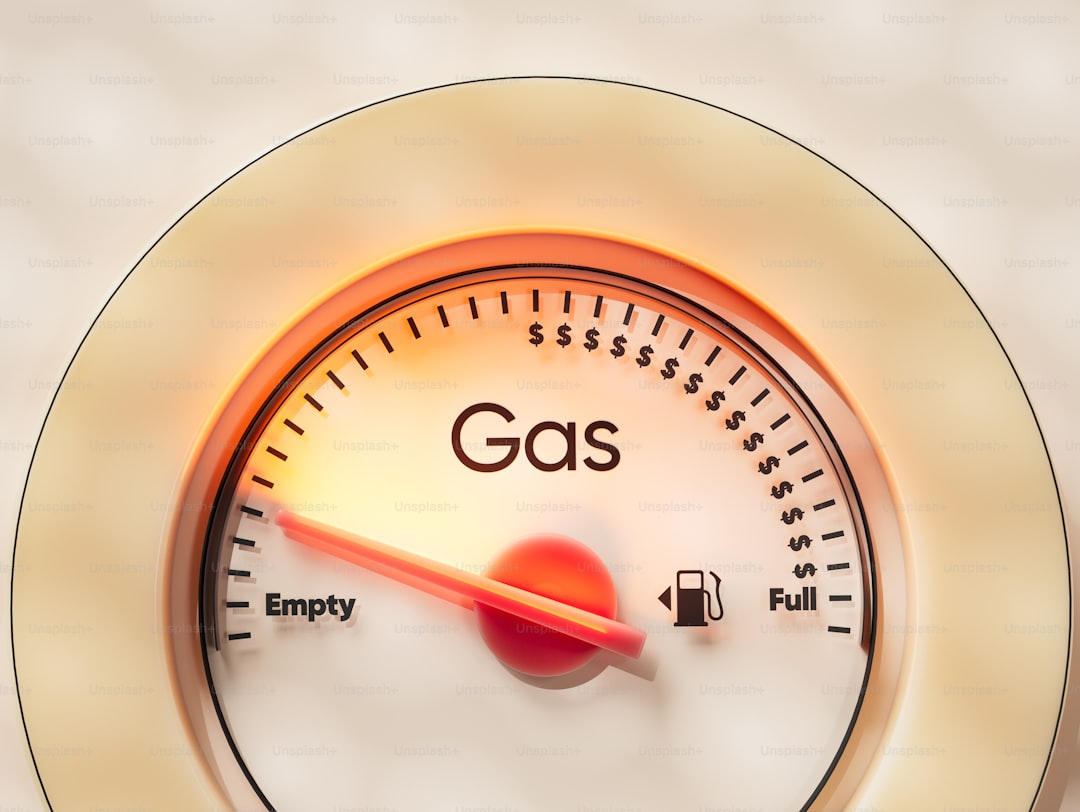
To understand how this works, you need to know the basics of a smart contract. A smart contract is simply a piece of code stored on a blockchain that automatically executes when certain conditions are met. In legitimate crypto transactions, you pay a “gas fee” to miners or validators to process your trade or transfer. That fee is usually small and predictable. But in a gas fee draining scam, the contract has been written to siphon off far more than a reasonable transaction cost. It can drain your entire wallet balance with a single approval.
In a typical pig butchering scheme, a scammer initiates contact through a dating app, social media, or even a seemingly harmless text message. Over weeks or months, they build trust, often posing as a successful investor or a sympathetic romantic partner. Eventually, they introduce you to a “lucrative” crypto investment opportunity. They will walk you through setting up a crypto wallet, buying a small amount of a digital asset like Ethereum or Binance Coin, and then connecting that wallet to a “trading platform” they control. This platform is actually a malicious smart contract disguised as a legitimate exchange or DeFi (decentralized finance) app.
Here is where the trap springs. The scammer tells you that in order to start trading or to withdraw your supposed profits, you need to “approve” the smart contract to interact with your wallet. This is a standard step in many legitimate DeFi applications, but in this case, the approval you are granting is not limited. You are giving the scammer’s code permission to move any token in your wallet. Once you click “approve” and pay what appears to be a normal gas fee, the malicious contract activates its drainer logic. It immediately transfers your entire balance to the scammer’s address. You may not even notice until you try to check your funds later, only to find your wallet is empty.
The reason this technique is so effective in pig butchering is that it exploits both technical ignorance and trust. The victim has been carefully groomed. They believe the scammer is a friend or mentor who has already shown them small “profits” on a fake dashboard. The request to approve a contract seems like a routine step. And because the transaction is executed through your own wallet, with your own private keys, the blockchain records it as a valid transfer. There is no bank to call, no chargeback, and often no way to reverse the transaction.
Scammers also use social engineering to make the gas fee drain seem legitimate. They might tell you that the “gas fee” is unusually high because of network congestion, but they reassure you that you will get it back once you start making money. In reality, the gas fee is the tool they use to trigger the drain. They may even send you a small amount of crypto to “cover the fee,“ knowing that once you approve the contract, they will take far more. Some advanced versions of these scams use what is known as a “gasless approval,“ where the scammer pays the fee themselves to make the trap look even more generous.
For middle-class Americans aged 45-64, this threat is especially dangerous. Unlike younger, more tech-savvy investors, many in this age group are still learning how crypto wallets, private keys, and smart contracts work. They may trust a person they have been talking to for weeks without verifying the technology. And they often have significant savings—money intended for retirement, home repairs, or children’s education—that scammers are specifically targeting.
Protecting yourself requires a fundamental shift in how you view crypto transactions. Never approve a smart contract unless you completely understand what permissions it is requesting and you trust the code. Use a hardware wallet that requires multiple confirmations for any contract interaction. And most importantly, never let another person, especially someone you have never met in person, guide you through connecting your wallet to an unfamiliar platform. If someone asks you to “just click approve” and promises huge returns, walk away immediately. That click is the moment your money disappears forever.
The gas fee draining smart contract is a chilling reminder that in the world of crypto, the cost of a mistake is not just a few dollars in fees. It can be your entire life savings. Stay skeptical. Stay educated. And never let anyone rush you into a decision with your money—digital or otherwise.
Scam Watch
Protect it before they take it.

Home Loan Modification Scams: How to Spot Mortgage Relief Ripoffs
Beware the ‘You’ve Won’ Letter: How Sweepstakes Scams Target Your Savings