Gas Pump Skimmers: How Thieves Steal Your Credit Card Info at the Station
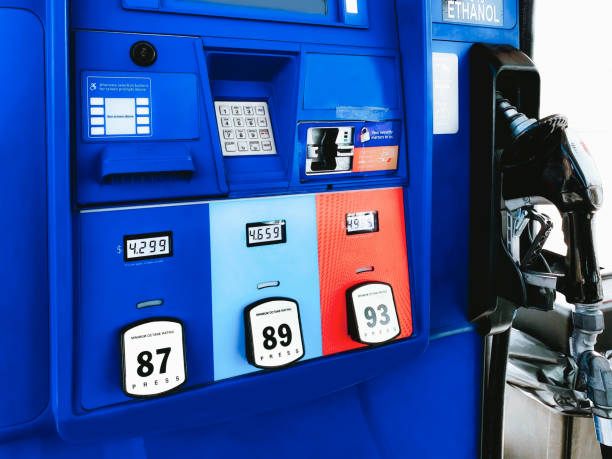
Gas pump skimming is not a high‑tech fantasy. It is a low‑cost, high‑volume crime that targets middle‑class Americans at the very moment they are most distracted: gassing up before work, running errands, or heading out of town. According to data from the Federal Trade Commission, skimming losses run into the hundreds of millions annually, and the vast majority of victims never know their card was compromised until strange charges appear weeks later. And by then, the thief is long gone.
The devices themselves are remarkably simple. Most are small, battery‑powered readers that fit over the original card reader or are hidden inside the pump housing. They record the magnetic stripe data — technically called Track 1 and Track 2 data — which contains everything needed to clone your card. Some skimmers also include a tiny pinhole camera or a false keypad overlay to capture your PIN. Once the thief retrieves the device, they download the stolen data, encode it onto blank plastic cards, and either use the clones themselves or sell them on the dark web for ten to fifty dollars per card.
Why do these scams persist? Because gas pumps are unattended for long stretches. A criminal can unlock a pump with a master key — readily available online — install the skimmer in under thirty seconds, and leave. Station owners rarely check for tampering every day, especially at older pumps without electronic security seals. The result: a skimmer can stay in place for days or even weeks, harvesting hundreds of cards before anyone notices.
The people most vulnerable are those who still use magnetic stripe cards rather than chip‑enabled cards. While chip technology (EMV) makes counterfeiting significantly harder, it is not yet universal at gas pumps. In many states, gas stations were given extended deadlines to upgrade to chip‑compatible dispensers. Tens of thousands of pumps across the country still rely on the magstripe alone. That means your card data is completely exposed every time you swipe.
You do not have to stop using gas stations, but you do need to change how you pay. The single most effective step is to pay inside with your chip card or tap your contactless card or phone at the pump. Contactless payments use a one‑time code for each transaction, so even if a skimmer intercepts the signal, the data is useless for cloning. If you must swipe outside, pay with a credit card rather than a debit card. Credit cards have stronger federal fraud liability protections under the Fair Credit Billing Act. Debit cards offer less protection under the Electronic Fund Transfer Act, and a stolen debit card can drain your checking account before you even notice.
Before you insert your card, take five seconds to inspect the pump. Wiggle the card reader. If it feels loose, moves, or looks different from the reader on the adjacent pump, do not use it. Check the keypad for any overlay that seems thicker or misaligned. Look at the pump’s security tape — the tamper‑evident seal over the cabinet door. If it is broken, missing, or reads “VOID,” report the pump to the attendant immediately. Thieves often break the seal, install the skimmer, and replace the tape with a cheap knock‑off that looks legitimate. Do not assume that a branded gas station automatically means safe pumps. Criminals target stations of every brand — Shell, Exxon, BP, independent — based on location and lax security, not on the logo.
Another precaution: use the gas station app if one is available. Many national chains now let you pay through their smartphone app, which bypasses the pump reader entirely. The app generates a payment code that cannot be skimmed. It also often gives you a small discount per gallon, a rare win‑win in the world of consumer scams.
What if you suspect you have already been skimmed? Monitor your bank and credit card statements weekly, not monthly. Many victims miss the first fraudulent charge because it was small — a $1 test charge, a $3 coffee. Thieves check whether a card is active with a tiny transaction before making a big purchase. If you see any charge you do not recognize, call your bank immediately. Ask them to issue a new card and reverse the charge. Under federal law, your maximum liability for unauthorized credit card charges is $50, and most issuers waive that. For debit cards, your liability depends on how quickly you report the loss — report within two business days to keep liability to $50; after 60 days, you could lose everything.
We are not telling you to stop using credit cards. They remain a safe and convenient payment tool when used with awareness. What we are telling you is that the pump is the weakest link. The same credit card that works perfectly online and in stores becomes vulnerable the moment you insert it into an unmonitored machine. Treat gas pump swipes as a moment of risk, not routine. Look, wiggle, and tap. It takes ten seconds and saves you months of headaches.
The criminals who install skimmers count on you being in a hurry. Do not give them that satisfaction. Pay attention. Pay inside. Tap instead of swipe. And if something feels off, trust that feeling. It is your money, your identity, and your time on the line.
Scam Watch
Protect it before they take it.

Trigger Lead Calls When You Apply
How Pig Butchering Scams Use Fake Romance to Steal Your Crypto Savings