Gas Pump Skimmers: The Silent Credit Card Theft You Can Stop
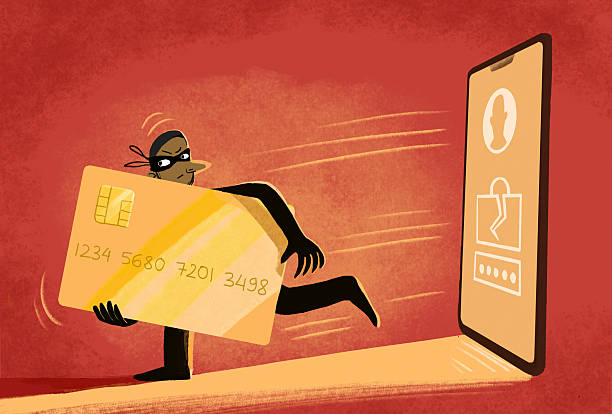
Skimmers are illegal card-reading devices installed inside or on top of credit card terminals. At gas pumps, criminals often place them over the legitimate card reader slot, sometimes with a hidden camera or a fake keypad overlay to capture your PIN. The skimmer reads the magnetic stripe on your card. That stripe contains your name, account number, and expiration date. Captured data can be copied to a blank card or sold online within hours. You will not know your card was compromised until you see a charge for a flat-screen TV in another state or a cash withdrawal you never made.
These devices are particularly dangerous for middle-class Americans because you tend to hold onto cards longer, use debit cards for small purchases, and may not check your account every day. A skimmer can stay on a pump for weeks, quietly stealing from dozens of people. By the time the bank catches on, the thief has moved on and you are stuck dealing with fraud reports, replacing cards, and sometimes losing money if you do not report it quickly enough.
How do these criminals get away with it? Gas pumps are often left unlocked overnight. A thief with a simple key can open the pump, attach a skimmer to the internal wiring, and put the panel back in place. Others use Bluetooth skimmers that transmit data wirelessly, so the thief does not even have to return to the pump. Gas station attendants are usually not trained to inspect pumps for tampering. And because you are in a hurry, you are not likely to examine the card reader closely.
You can protect yourself without giving up the convenience of pay-at-the-pump. First, always use the pump that is closest to the front door and in full view of the station attendant. Thieves tend to target pumps in the back or far corners where they can work unnoticed. Second, before you insert your card, give the card reader a firm wiggle and pull. If it moves, if it feels loose, or if it looks bulkier than the other pumps, do not use it. Report it to the attendant. Third, cover the keypad with your other hand when you enter your PIN. Even if there is a hidden camera, you can block the view. Fourth, use a credit card instead of a debit card when paying at the pump. Credit cards have stronger federal fraud protections. With a debit card, if your PIN is stolen, the money vanishes from your checking account immediately, and getting it back can take weeks. Fifth, consider using a tap-to-pay method like Apple Pay, Google Pay, or a contactless card. These transactions use a one-time code that is useless to a skimmer.
Beyond the pump, be aware that skimmers also appear on ATMs, especially in convenience stores, bars, and other locations with less security. The same rules apply: jiggle the reader, cover the keypad, and use ATMs inside banks when possible. Also, monitor your bank and credit card statements at least once a week. Set up text or email alerts for any transaction over a certain amount. If you see a charge you do not recognize, call your bank immediately. The longer you wait, the harder it is to prove the fraud.
One last point: do not assume that chip cards are completely safe. EMV chips do protect against counterfeit card fraud at in-store terminals, but gas pumps in the United States have been slow to adopt chip readers. Many still rely on the magnetic stripe. And skimmers can still read the stripe on a chip card. Until your local gas station upgrades, you are vulnerable.
This is not about living in fear. It is about being smart with your money. You work hard for what you have, and nobody is going to protect it for you. Check the pump. Use the front pump. Cover your PIN. Use credit, not debit. Tap if you can. That little bit of effort can save you from the headache of a stolen card and a stolen weekend spent on the phone with a fraud department. The scammers are counting on you to be in a hurry. Do not give them that gift.
Scam Watch
Protect it before they take it.

Yo-Yo Financing: The Car Dealer Trap That Could Cost You Thousands

Geek Squad Renewal Email Con Jobs