How Fake Disaster Relief Charities Target Your Generosity After a Hurricane
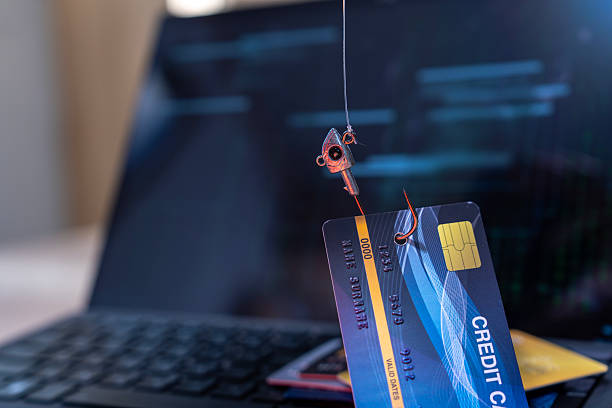
Disaster relief fraud is not new, but it has become more sophisticated. Scammers now use social media ads, text messages, and even robocalls that mimic the names of real charities like the Red Cross or Salvation Army. They register website domains that differ by a single letter from the legitimate organization. They set up fake GoFundMe campaigns with stolen photos. They send emails that look official, complete with logos and emotional subject lines. And when you call the number they provide, a professional-sounding operator thanks you for your generosity and asks for your credit card number.
The most dangerous tactic is the door-to-door solicitor. In the days after a disaster, you may see people in reflective vests with clipboards at shopping centers or outside grocery stores. They claim to be collecting cash for a local relief fund. They show you a worn laminated card with a name that sounds official, like “National Hurricane Relief Alliance” or “Disaster Aid Network.” They pressure you, saying the work is happening now and every minute counts. They ask for cash or gift cards because those are untraceable. Once you hand over the money, they disappear. The name on the card is not registered with any state charity office, and the funds go straight into a scammer’s pocket.
Why are people in their forties, fifties, and sixties particularly targeted? Because you grew up in an era when charity was trusted. You remember writing checks to the United Way or dropping coins in a bucket for the Salvation Army. You are less likely to pull out a phone and verify a charity’s credentials before donating. You also have more disposable income than younger adults, and you may feel a stronger emotional connection to the idea of helping your fellow citizens. Scammers know that empathy is predictable. They know that if they hit the right emotional tone—urgency, suffering, gratitude—you will act before you think.
The red flags are consistent. A legitimate charity will never pressure you to donate immediately. Real relief organizations operate on a long-term timeline. They do not beg for cash in parking lots. They do not send you a text message asking you to click a link and “confirm your donation.” They do not ask for gift cards or wire transfers. They do not thank you for a donation you never made and then ask you to “verify” your personal information. Any communication that creates a sense of urgency, especially via phone or email, should be treated as a scam until proven otherwise.
Before you give a penny, take three steps. First, verify the charity’s registration. Every state requires charitable organizations to register with the attorney general’s office. You can check the IRS Tax Exempt Organization Search online for free. Second, look up the charity on independent watchdog sites like Charity Navigator, Give.org, or the Better Business Bureau Wise Giving Alliance. These sites will tell you how much of each dollar actually goes to relief efforts versus fundraising and administration. Third, never donate with cash, gift cards, or cryptocurrency. Use a credit card, which gives you fraud protection and a paper trail. If the charity cannot accept a credit card, that is a warning sign.
There is also the matter of “disaster relief exploitation” that goes beyond outright theft. Some charities are technically legal but profoundly wasteful. After a major hurricane, you may see newly formed nonprofits raising millions of dollars, but only ten percent of that money ever reaches victims. The rest goes to salaries, marketing, and “administrative costs.” These organizations are not illegal, but they exploit your goodwill. Stick with well-established charities that have a track record of efficient disaster response: the American Red Cross, Direct Relief, World Central Kitchen, or local community foundations that have been active in your region for decades.
You also need to watch out for scams that target the victims themselves. After a hurricane, con artists posing as FEMA officials or insurance adjusters go door-to-door asking for social security numbers and bank account details to “process your disaster claim.” They will tell you that you need to pay a “processing fee” before you can receive aid. That is never how government assistance works. FEMA does not charge fees. Legitimate insurance adjusters do not ask for payment on the spot. If someone shows up unannounced and asks for money or personal information, shut the door and call local law enforcement.
The most effective defense is a simple habit: delay. Do not donate on the day you see the news. Wait forty-eight hours. Let the legitimate charities get their operations announced. Let the scammers’ phone numbers get reported. Let the fake websites get taken down. Your desire to help is noble, but it will be far more effective if you channel it through verified, transparent organizations. The next time a hurricane hits, and you feel that pull to open your wallet, stop. Take a breath. Verify. Then give generously—but only after you are certain your money will actually help the people who need it.
Scam Watch
Protect it before they take it.


Synthetic Identity Theft: How Criminals Build a Fake Person Using Your Real Info
Ticket Speculative Listing Before On-Sale Date