How Fake Rental Listings Are Stealing Thousands from Middle-Class Americans
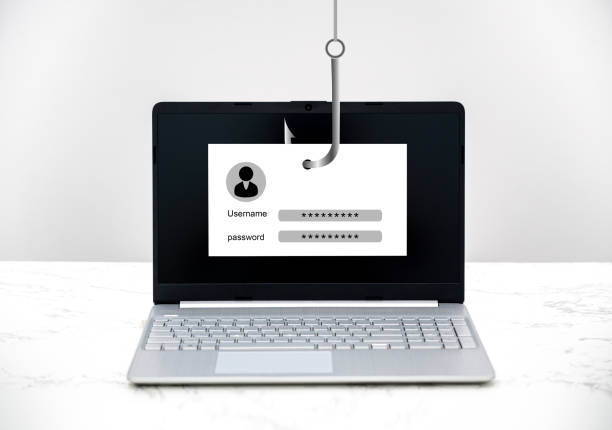
The mechanics are simple but effective. Fraudsters copy legitimate real estate listings from websites like Zillow, Realtor.com, or local property management firms. They change the contact information and repost the ad on Craigslist, Facebook Marketplace, or even smaller community bulletin boards. The price is set slightly below market rate—just enough to make you think you’ve found a great deal but not so low that it screams scam. When you call, the “landlord” always has an excuse for why you cannot see the property in person. They claim to be out of town, overseas, or dealing with a family emergency. They may even send you a link to a video tour that is actually a stolen recording from a legitimate realtor. Then comes the pressure: other applicants are interested, so you need to wire a deposit or send a cashier’s check immediately to secure the place. Once the money leaves your account, the landlord vanishes.
Middle-class Americans in their fifties and early sixties are particularly vulnerable because they often have established financial habits that scammers exploit. You might be used to dealing with professionals and assume that a written lease and a bank transfer are proof of legitimacy. But in these scams, the lease is a forgery, the bank account is opened with stolen identification, and the money is gone before your bank’s fraud department can do anything. Worse, many victims do not report the crime because they feel embarrassed or believe law enforcement cannot recover the funds. That silence lets the scammers continue stealing.
There are also variations that target homeowners and renters alike. Some scammers pose as property managers for houses that are actually for sale, not for rent. They collect deposits and security fees from multiple victims for the same property. Others use “rent-to-own” schemes that promise eventual ownership after a few years of payments—a classic bait-and-switch that leaves you with no legal claim to the home. And in the offline world, some scammers go door-to-door with fake lease agreements, claiming they are representing a landlord who is out of town. They take cash or a check on the spot and hand you a key that does not fit any lock.
What makes these ripoffs so insidious is that they prey on the basic human need for shelter. You are not being careless; you are being hustled by professionals who have studied how to mimic legitimate transactions. They know that people in your age group are more likely to trust a phone conversation than a younger person might, and that you may not be as comfortable verifying ownership records online. The good news is that there are reliable ways to protect yourself, and they do not require a degree in cybersecurity.
Never send money for a rental property you have not seen in person. If the landlord refuses a walkthrough, walk away. Verify the property’s ownership through your county’s tax assessor website or property records database. Most counties in the United States make this information public and searchable by address. If the person you are dealing with is not the owner listed on the tax rolls, that is a red flag. Also, avoid wiring money or using prepaid debit cards. Legitimate landlords accept checks or electronic payments that can be traced and reversed. Finally, trust your gut. If the deal feels too good to be true, it is. A price that is 20 percent below comparable rentals in the same area is almost certainly a lure.
Fake rental listings are not a victimless crime. They cost middle-class families thousands of dollars, wreck relocation plans, and shake your confidence in the housing market. But you can fight back by staying skeptical and doing a few minutes of homework before handing over your hard-earned money. The scammers rely on your urgency and your decency. Do not give them either.
Scam Watch
Protect it before they take it.


Gas Pump Skimmers: How to Protect Your Credit Card at the Station

FedEx "Label Fee" Bitcoin Demands