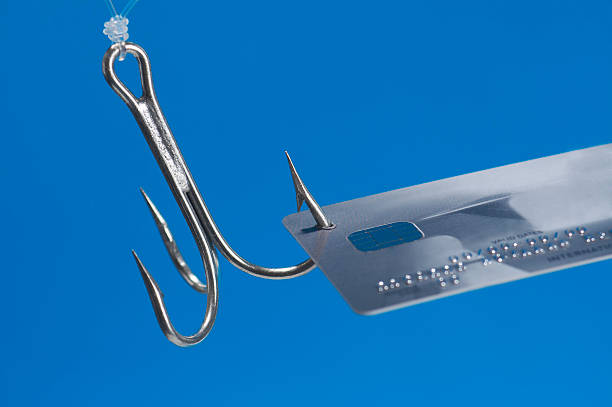
How Spear-Phishing Scammers Use Your Personal Data to Rob You Blind

Spear-phishing is the sniper round of the scam world. Generic phishing blasts a million emails hoping one fool bites. Spear-phishing studies your habits, knows your bank, your employer, your utility company, and your local pharmacy. The scammers have done their homework, and they are aiming directly at you. For middle-class Americans between 45 and 64, this is the most dangerous scam you will face because it exploits trust, urgency, and the very real fear of financial loss.
Consider a real scenario playing out across the country right now. You receive a text that appears to come from your credit union’s fraud department. The message includes the last four digits of your actual account number, which scammers bought off a data broker for pennies. It tells you to reply with a code sent to your phone, or your account will be frozen within thirty minutes. Panic sets in. You reply with the code. Within seconds, the scammer uses that code to reset your online banking password, drain your savings, and apply for a loan in your name.
What just happened? You handed them the two-factor authentication code that was supposed to protect you. They knew your phone number, your bank, and enough of your account to make the lie believable. This is not a Nigerian prince asking for your social security number. This is a professional criminal operation that bought a dossier on you for three dollars.
The middle-aged demographic is the prime target for a simple, cold reason: you have money, and you still trust institutions. You grew up in an era where a phone call from your bank was usually legitimate, where a letter from your insurance company was real, where technology was a tool, not a weapon. Scammers know this. They exploit your life experience against you.
Another common spear-phish targets homeownership. You get an email that looks exactly like a property tax notice from your county assessor’s office. The logo matches, the language matches official government forms, and the message warns that your property tax payment is overdue and a lien will be placed on your home. The link takes you to a page that mimics the county payment portal. You enter your credit card or bank routing number to pay the fake tax bill. The scammer has your money, your banking details, and your home address. The real county assessor never sent you anything.
What makes these scams so effective is the research behind them. Scraping public property records, social media posts about your vacation plans, LinkedIn job history, and even your vehicle registration data is trivial for these operations. They know you drive a 2019 Ford Explorer. They know you work at the school district. They know your daughter just started college. They use these details to sound credible when they call, email, or text you.
You cannot rely on your gut feeling alone to stay safe. Your gut feeling was trained in a different world. Instead, develop a hard rule: never click a link from a message that claims to be about money, even if it looks perfect. If a bank, a utility company, or a government agency sends you an alarm about your account, you do not engage with that message at all. You close your phone. You open your browser directly, type the official website address yourself, and log in the way you always do. If there is a real problem, it will be waiting for you there. If there is no problem, you just dodged a bullet.
The same rule applies to phone calls. If someone calls claiming to be from your credit card company and says they need to verify a suspicious charge, hang up. Call the number on the back of your card. Not the number they gave you. The number printed in plastic. That small discipline, that refusal to use any contact information the scammer provides, is the strongest shield you have.
Spear-phishing can also arrive through email with a bogus invoice from a company you actually use. You see a charge from Amazon for nine hundred dollars. The email looks identical to an Amazon receipt. The panic button presses itself. But the charge is fiction. The link goes to a fake Amazon login page designed to steal your password and credit card data. Same scam, different costume.
Do not think you are too sharp to fall for this. The smartest people get caught because intelligence is no defense against emotion engineered by professionals. These scammers do not care about your IQ. They care about the half-second window between your fear and your decision to click. That half-second is where they live.
Your best move is to slow down time. When an alert comes in, do nothing for sixty seconds. Breathe. Remember that no legitimate institution will ever demand immediate action via text or email. They send letters. They let you call them. They do not threaten closure in thirty minutes. That urgency is the signature of a scam. Treat every urgent financial message as guilty until proven innocent by your own independent verification. That one habit will save you more money than any antivirus software ever could.
Scam Watch
Protect it before they take it.

Water Heater Expansion Tank Unnecessary Bundles
The Medicaid Planning Trap: How Unethical Lawyers Can Cost You Everything