Insurance Broker Fraud: Protecting Your Coverage
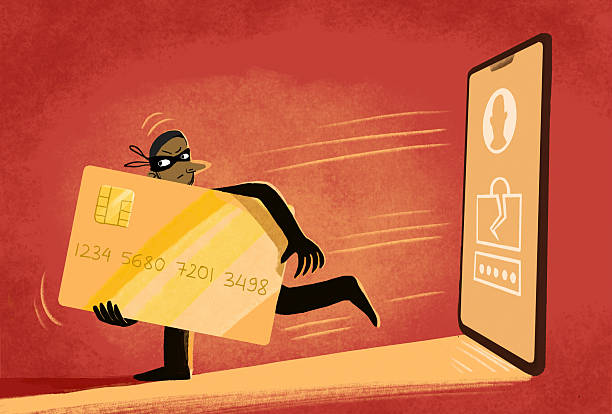
This is not a rare one-off. State insurance regulators hear about these cases every year. Middle-aged homeowners, small business owners, and people preparing for retirement are especially vulnerable because they often carry larger policies, pay bigger premiums, and have a harder time recovering from a financial hit. The trick usually works like this. A broker contacts you with an amazing rate, far below what you are currently paying. They claim they have relationships with major insurers and can get you a deal that lasts only if you act immediately. They push you to make a decision on the spot, often on a weekend or late at night, so you cannot verify anything. You hand over a check or authorize a bank transfer, and they give you a binder document that looks official. It lists coverage limits, deductibles, and a policy number. You feel relieved. Until you actually file a claim.
Then you discover the binder is worthless. The broker never sent your premium to any legitimate insurance company. Perhaps they never had a license to begin with. Maybe they had a valid license but chose to pocket your money in a pinch. Either way, the insurer has no record of you, no policy on file, and no obligation to pay a penny. The broker may have set up a fake customer service number that goes to a voicemail box that is now full. Or they simply stop answering their phone. You are left with the full cost of the damage, medical bills, or liability you thought you were covered for.
How do you spot this before it happens? Start with the state insurance department. Every licensed broker must be listed and in good standing. Do not take their word for it. Look up licensing information yourself online, or call the state office directly. A legitimate broker will not be offended. In fact, they will encourage you to verify. If a broker tells you not to worry about it, that trust is enough, consider that a glaring warning sign.
Next, check the insurance company directly. Do not rely on the binder or any certificate the broker hands you. Find the official phone number or website of the insurer from a separate source, not from the broker’s email or printed materials. Call them and confirm that a policy has actually been issued in your name, with the exact coverage amounts and effective dates. This takes fifteen minutes and can save you from a total catastrophe. Do it every time you buy a policy through a broker.
Also, pay attention to how you are being asked to pay. A real insurance broker will usually accept payment via credit card, debit card, or a check made directly to the insurance company, not to the broker’s personal account. If a broker insists that you deposit money into their business bank account or asks for cash, gift cards, or a wire transfer, that is a massive red flag. Legitimate brokers earn commissions from the insurers they work with. They do not need to collect the premium as if they were the insurer. If the broker is pressuring you to pay in an unusual way, walk away.
In some versions of the scam, the broker actually does set up a real policy. Then, after the first few months, they call you saying the insurance company demanded an additional premium or your payment bounced. They ask you to reissue the payment to them personally. The real premium goes unpaid, the policy lapses, and you are left uncovered while believing you have insurance because the broker showed you a renewed binder. This is why you should always confirm the status of your policy after any payment. A quick call to the insurer’s customer service line will show whether your account is current.
If you have already been burned, do not stay silent. Contact your state insurance commissioner and file a complaint. Even if your money is gone, your report could prevent others from losing theirs. You should also consider contacting your state attorney general’s office, as this is a criminal matter. If you paid with a credit card, dispute the charge immediately. If you wrote a check, stop payment if you are still within the window. And if you are offered a policy from some broker you have never met, particularly through an online ad or a cold call, treat it with the same suspicion you would treat a stranger handing you a gold bar at a bus stop.
The bottom line is that you are the only person who truly cares about your coverage. Brokers are useful, but they are not infallible and some are criminals. Verify everything. Never assume. A little skepticism is the difference between having a valid policy and holding a piece of paper that means nothing. Your house, your car, and your family’s future depend on that kind of diligence. Take the extra steps. Prove your broker is honest before you pay them a single dollar. It is the only sure way to keep bad service providers out of your life.
Scam Watch
Protect it before they take it.


Phantom Rental Listings: The Deposit Scam That Preys on Renters

The Golden Trap: How Precious Metals Investment Scams Target Your Retirement Savings