Odometer Rollback Via Software Flash
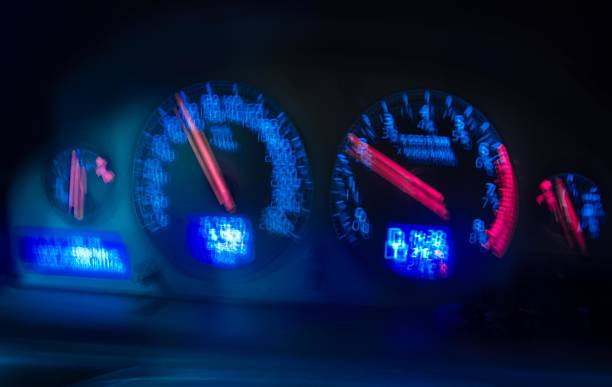
The old method—literally rolling back the mechanical gears inside the dashboard—has largely died out. Modern vehicles store mileage data in multiple electronic control units, not just the instrument cluster. But that doesn’t mean the fraud stopped. It just got smarter. Dishonest service shops and used-car dealers now use specialized diagnostic tools and software to “reflash” the odometer module, overwriting the recorded mileage with a lower number. This is not a minor fix. It is a federal crime in all fifty states, punishable by fines and prison time. Yet it happens every day, especially in the used-car market.
How does a bad service provider pull this off? You bring your car in for a legitimate repair—maybe a dead battery, a check engine light, or a malfunctioning speedometer. The shop identifies the issue, then offers to “reprogram” the module as part of the fix. In some cases, the owner is unaware that the reprogramming also changes the mileage. In worse cases, the shop does it behind your back. If you notice later that the car shows 10,000 fewer miles than when you dropped it off, you have no clear way to prove when or where the change happened. The shop blames the computer. You are left with a vehicle that is now worth less and harder to sell because its title is permanently tainted.
The bigger picture is even more troubling. Unscrupulous dealers buy high-mileage trade-ins or auction cars, have them “flashed” to show low mileage, and then sell them to unsuspecting buyers as cream puffs. A 2018 study by Carfax found that nearly 1.9 million vehicles in the United States have had their odometer rolled back. With software flashing, that number is almost certainly higher because the fraud is harder to detect. The buyer pays a premium for a car they believe has 60,000 miles, but it actually has 120,000. The timing belt, transmission seals, and brake rotors are all on borrowed time. Within months, the new owner faces a repair bill that can wipe out any savings from buying used.
So how do you spot a bad service provider who might be cutting corners this way? First, pay attention to the details on any invoice or service receipt that mentions “reprogramming,” “recalibration,” or “software update” for the speedometer or instrument cluster. A legitimate update should not change the stored mileage. If the shop cannot explain exactly why the mileage had to be modified, walk away. Second, ask to see the old and new odometer readings written down before the work begins. Any reputable shop will document this in writing. Third, check your state’s motor vehicle database for any “not actual mileage” title brands. If the odometer reading at your previous inspection was higher than what your current car shows, that is a red flag.
Another powerful tool is a vehicle history report from a trusted provider like Carfax or AutoCheck. These reports often capture mileage readings from service visits, emissions tests, and insurance claims. If you see a reading of 80,000 miles in 2020 and then 65,000 miles in 2023, the car has likely been flashed. Be wary of dealers or private sellers who refuse to provide a history report or who claim the report is “not necessary” because the car is clean. And never buy a used vehicle without physically inspecting the odometer yourself and comparing it to the car’s overall condition. A five-year-old car with 30,000 miles should not have worn pedals, a sagging driver’s seat, or a steering wheel that looks like it has been handled for 100,000 miles.
Finally, trust your gut about the shop or dealer. If you feel rushed, if the salesperson is evasive about the car’s history, or if the service manager seems overly eager to “fix” your module with a software flash, stop the transaction. There are plenty of honest mechanics and dealers who would never risk their license—or their freedom—on a digital odometer rollback. Unreputable exists to remind you that you are not paranoid. You are being smart. And smart shoppers protect themselves by verifying every mile on the clock, no matter how shiny the screen or smooth the pitch.
Scam Watch
Protect it before they take it.

"Wrong Number" Texts That Want to Be Friends

The Double Trap: Pig Butchering Recovery Scams