Printer Ink Subscription Auto-Renewal Trap
The first red flag is the initial offer. Reputable retailers and printer manufacturers will present a subscription as an optional add-on, with clear terms about cancellation and refunds. Bad service providers, however, bury the auto-renewal clause in fine print. They might offer a “free trial” of the subscription, then automatically enroll you in a paid plan after 30 days—without a second email warning. You may not notice the $4.99 or $9.99 monthly charge on your credit card statement for six months. By then, you’ve paid for ink you never used, and the company has already pocketed a significant chunk of your money. The worst part? Canceling is often a nightmare. You have to call a toll-free number during limited hours, navigate a maze of automated menus, and speak to a retention specialist who tries to guilt you into staying. Some providers even claim you must return all unused cartridges before they’ll stop billing—even if the cartridges are sealed and perfectly usable. This is not customer service; it’s a subscription trap.
Another telltale sign of an unscrupulous provider is the “dynamic pricing” hook. Some ink subscription plans promise low monthly rates, but then they adjust the price based on your printing volume. What started as $3.99 a month can balloon to $14.99 without any notice, because your teenager printed 200 pages of homework. The provider frames this as a “flexible plan,” but in reality, it’s a bait-and-switch designed to squeeze more money out of families who don’t closely monitor their usage. Retail stores that push these plans may even offer a modest discount on the printer itself—say, $20 off—if you agree to the subscription at checkout. That discount is a loss leader: the real profit comes from the recurring monthly payments that can easily triple the total cost of owning that printer over two years.
Then there are the warranty tricks. Unscrupulous providers sometimes tie the printer’s warranty to an active ink subscription. If you cancel the subscription, you may suddenly find that your printer’s warranty is voided, leaving you stuck with a brick if it breaks. This is not a standard practice among honest manufacturers, but it’s a known tactic used by a handful of brands that sell through big-box stores. They count on consumers not reading the fine print on the warranty card. You buy the printer thinking you’re protected, but in reality, you’re locked into the ink plan just to keep that protection alive. This is a classic bait-and-switch: the promise of a good deal on hardware covers up a recurring obligation that’s far more expensive.
So how do you spot these bad service providers? First, never sign up for an ink subscription at the point of sale without reading the full terms—especially the cancellation policy. Legitimate companies will let you cancel online or via a simple email. Any provider that forces you to call and speak to a live agent is banking on your inconvenience. Second, check your credit card statements monthly for small recurring charges. A $4.99 charge from a company you don’t recognize could be that “free trial” you forgot about. Third, watch for promises like “free ink for life” or “unlimited prints for a low fee.” These are almost always tied to auto-renewal contracts that are nearly impossible to break. Finally, avoid printers that require an internet connection to function—some subscription models actually disable the ink refill if you cancel, leaving you with a brick. That’s not a service; it’s hostage-taking.
For middle-class consumers on a fixed budget, every dollar counts. Printer ink subscriptions are a particularly sneaky way for companies to siphon small amounts of money month after month, hoping you won’t notice. If you’re over 45, you likely remember a time when a printer was a simple tool: you bought it, you bought ink when you needed it, and that was that. That model still exists. Look for retailers that offer standard ink cartridges—no subscription, no auto-renewal. If a deal seems too good to be true, it’s because the real cost is buried in the fine print. Don’t let a convenient monthly payment become a permanent leak in your budget. Clarity, not convenience, is the mark of a fair deal.
Scam Watch
Protect it before they take it.

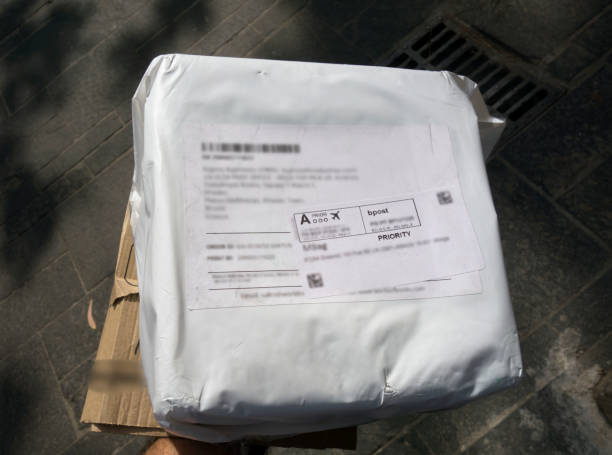
The Package Delivery Text That Could Empty Your Bank Account

Fake Delivery Notices: Why That Text About Your Package Is a Smishing Trap