Rental Listing Scams: How to Spot a Fake Property Before You Hand Over Your Deposit
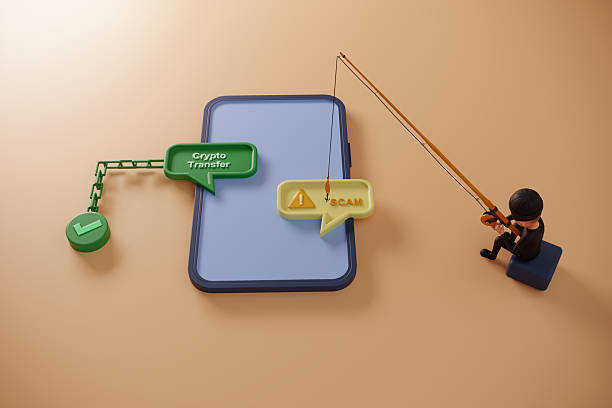
The scam works in a few standard variations. The first is the outright phantom property. The crook copies photos, address, and descriptions from a legitimate listing, often a home that is actually for sale or was rented years ago. He reposts it at a bargain price, then demands a deposit by wire transfer, cashier’s check, or a prepaid debit card. Once you send the money, he disappears. Another version is the bait‑and‑switch: you pay a fee to view a rental that turns out to be either unavailable or far worse than advertised, and then you are pressured into a different, overpriced property. Then there is the “guaranteed approval” trick, where a shady operator promises to get you into a rental despite a poor credit history, in exchange for an upfront “application fee” that can run hundreds of dollars. You never hear from him again.
Why do these scams work so well on people your age? Many of you were taught that a handshake and a promise still mean something. You may be more trusting of someone who speaks politely on the phone and sounds professional. You may also be in a hurry—maybe you need to relocate for a job, help an aging parent move, or downsize after the kids leave. Desperation clouds judgment. And because you remember the days when you could rent a place by meeting the landlord face‑to‑face and writing a check, you assume the process is still safe. It is not.
The scammers are experts at creating urgency. They will tell you there are three other people ready to put down money, so you must act now. They will refuse to let you see the property in person, claiming they are out of the country on business or that the current tenant is still living there and can’t be disturbed. They might even send you a forged lease and a photo of a driver’s license that looks real. They know that once you have invested emotional energy in the idea of that home, you will rationalize away the warning signs.
Protecting yourself does not require paranoia, just a few habits. Never, ever send money for a rental you have not seen with your own eyes. If you cannot visit the property, have a friend or a relative go for you. Use a real estate agent you trust if you are relocating long distance. Verify the ownership of the property through your county assessor’s office or a paid service that checks public records. The name on the tax records must match the name of the person you are dealing with. If the “landlord” asks for payment by wire transfer, gift card, or cryptocurrency, stop immediately—legitimate landlords take checks or use verified online payment portals with protections.
Check the rental history of the address. Google the street address plus “scam” or “fraud.” Look up the property on sites like Zillow or Redfin to see if it is actually for sale or was listed for rent by a different person. Reverse‑image‑search the photos from the listing; if they show up on multiple listings across different cities, you have a scam. Ask for a video tour in real time, not a recorded clip. If the landlord cannot or will not, walk away.
Also be wary of application fees that seem excessive. In most states, a legitimate landlord charges only a modest fee to cover a credit check. If the fee is more than fifty dollars, or if the landlord demands it before you have even seen the property, that is a red flag. And never sign a lease without reading every line, especially the part about who holds the security deposit and how it is returned.
Finally, remember that if you are scammed, the money is almost certainly gone. Law enforcement rarely pursues these cases because the crooks are often overseas or use fake identities. Your best defense is skepticism. Slow down. Ask hard questions. Trust your gut—that uneasy feeling you get when someone pushes you to pay fast is your brain trying to protect your wallet. Rental listing scams cost victims billions every year, and the people running them count on your politeness and your hope. Don’t give it to them.
Scam Watch
Protect it before they take it.

Credit Card Points Theft: How to Protect the Rewards You Earned
Synthetic Identity Theft Is the Scam You Haven’t Heard of Yet