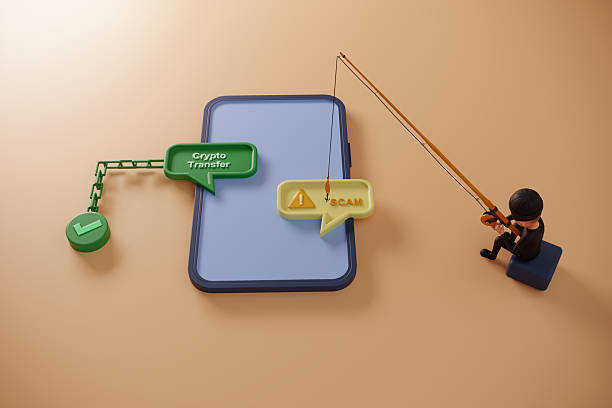
Restaurant Tip Adjustment Fraud Hours Later
This scheme works because of a flaw in how many restaurants process credit card payments. When you hand over your card, the server or manager swipes it to authorize the base amount of the meal. That temporary hold appears on your account immediately. Later, after you leave, the restaurant enters the final total including your written-in tip. The system then submits that higher amount to your bank for settlement. In a legitimate transaction, the final charge matches what you wrote. In a fraudulent one, an employee simply types in a higher number—sometimes ten or twenty dollars more, sometimes much more—hoping you will not notice among dozens of other charges.
Why would a server or manager do this? For the obvious reason: easy money. The restaurant industry runs on thin margins, and many workers depend on tips. But a dishonest employee sees an opportunity. They know that most people do not check their credit card statements line by line. They also know that many diners, especially those over 50, write their tip in the “tip” line and the total in the “total” line without drawing a line through unused space. That leaves room for someone to add an extra digit. For example, you write “$12.00” as a tip on a $60 meal, bringing the total to $72.00. A fraudster can easily change that to “$22.00” by adding a “2” in front of the “1,” making the new total $82.00. If you do not catch it, the extra ten dollars goes straight into the employee’s pocket.
This type of fraud falls squarely under the “Credit Card & Point Theft” subsection on Unreputable. It is a physical, offline scam that happens after you have left the premises, making it harder to prove than an online phishing email or a fake delivery text. The restaurant’s transaction logs may show the final charge, but they rarely save a clear image of the original receipt—especially if the restaurant uses old-style carbon copy or electronic capture without photo storage. Many smaller establishments do not even keep the paper copies after a week. By the time you spot the discrepancy on your monthly statement, the evidence is gone.
How do you protect yourself? First, always write the tip amount and the total amount clearly. Use the exact same format banks taught us for writing checks: print the tip as “$12.00” and the total as “$72.00.” More importantly, draw a line through any blank space on the “tip” and “total” lines. Do not leave gaps. If you can, ask for a detailed receipt that shows the authorization slip, and take a photo of it with your phone before you leave. That photo is your proof. Second, check your credit card account online within 48 hours of dining out. Most banks now let you see pending transactions. If you spot a charge that is higher than what you signed for, call the bank immediately to dispute it. Do not wait. Third, avoid using cash at the table and then adding a tip on your card—this “split payment” method confuses the system and makes it easier for fraudsters to manipulate totals.
Some restaurants have tried to combat this by using tablets that let you enter the tip digitally at the table, which reduces the window for later tampering. But many still use paper slips, especially in older or smaller establishments. The risk is real. A waitress in Texas was recently caught adding two to five dollars to hundreds of receipts over an eighteen-month period, netting over $12,000 in fraud. She was only caught when a customer noticed a $3 discrepancy and complained to the manager. That customer had saved her receipt.
Remember, tip adjustment fraud is not a victimless crime. It targets middle-class Americans who trust the system. You work hard for your money. You should not have to wonder if the nice waiter you tipped generously later stole from you while you slept. Stay vigilant. Keep your receipts. Check your statements. And if you see something off, dispute it. Unreputable is here to help you spot these quiet, offline ripoffs before they cost you real money.
Scam Watch
Protect it before they take it.

Diagnostic Fee Scam for Unplugged Machine
Precious Metals IRA Scams: Painful Lessons for Retirees