Sewer Line Camera Scope Insurance Scam
The scam works like this: a dishonest service provider knows that most standard homeowner’s insurance policies do not cover sewer line backups or pipe damage unless you have specific endorsements. But you, the homeowner, don’t know that. The plumber uses the camera inspection as a “diagnostic tool” to claim a serious problem exists—one that requires immediate, expensive repair. He then suggests that your insurance will reimburse you for the camera fee if you pay him now. In reality, the camera scope is often unnecessary, the “problem” is exaggerated or fabricated, and the insurance company will deny the claim because your policy excludes that type of damage. You are left holding the bill, while the plumber pockets your cash and moves on to the next victim.
How do you spot these sharks? First, never agree to pay for a camera scope inspection without a clear, written estimate that separates the inspection fee from any repair work. Reputable plumbers will often include a basic drain inspection as part of their service call, especially for a simple clog. If a technician insists you need an “insurance-grade” camera report before he can even quote a repair, you are likely dealing with a manipulator. Ask directly: “What does your camera show that you cannot see with a standard snake or water jet?” A legitimate plumber will explain the specific reason—like a suspected offset joint or a collapsed pipe—and will not tie the inspection to an insurance claim.
Second, be suspicious of any service provider who volunteers to file an insurance claim on your behalf. This is a huge red flag. In the legit world, you call your insurance company first, before any work begins. The adjuster then sends out a vetted contractor if needed. When a plumber says, “I’ll handle the paperwork for you, just pay me now,” he is bypassing your insurance company’s oversight. He knows the claim will be denied, but by then you have already paid the inspection fee. Your insurance company will not reimburse you for a service you authorized without their prior approval.
Third, check the plumber’s credentials and reviews specifically for the words “camera” or “insurance scam.” Search online for the company’s name plus “complaint” or “scam.” Look for patterns: multiple customers reporting that they were charged for a camera scope inspection, and then told their insurance denied the claim. Word of mouth matters too. Ask neighbors or friends in local community groups about their experiences. A single bad review might be a fluke, but five or six describing the same shady tactic mean you should run the other way.
Finally, know the basics of your own insurance policy. Open your homeowner’s policy booklet and look for the section on “water damage” or “sewer backup.” Many policies cover sudden and accidental damage from a burst pipe, but not gradual deterioration, tree root intrusion, or backup from a city sewer main. If you have a standard HO-3 policy, sewer line repair is almost never covered unless you bought a specific “Sewer and Drain” endorsement. This knowledge alone will protect you: when the plumber says “your insurance covers camera scopes,” you can say, “Show me that in my policy, in writing.” He cannot, because he is lying.
The sewer line camera scope insurance scam is not new, but it has become more common as plumbers and HVAC companies add “insurance specialists” to their sales teams. These specialists are not repairmen; they are salespeople trained to push high-margin services under the guise of helping you with a claim. Their target is the middle-class homeowner who is already stressed and just wants the problem fixed fast. Do not let fear overrule your common sense. Slow down. Get multiple quotes. Do not pay for a camera inspection unless a second opinion confirms it is necessary. And never, ever let a plumber talk you into filing an insurance claim without first calling your agent yourself.
Remember Unreputable’s motto: trust your gut, verify everything, and keep your wallet closed until you know who is really trying to open a door in your bank account. The sharks are circling, but with a little caution, you can keep them at bay.
Scam Watch
Protect it before they take it.

Structured Note Complexity Trap
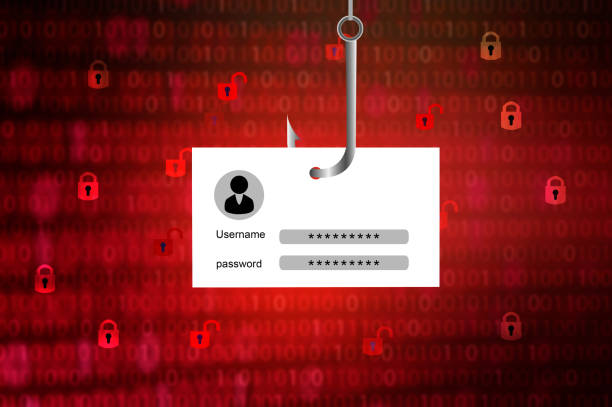
The ’Your Account Has Been Suspended’ Email Is a Phishing Favorite