Skimmers Hidden Inside Gas Pump Panels
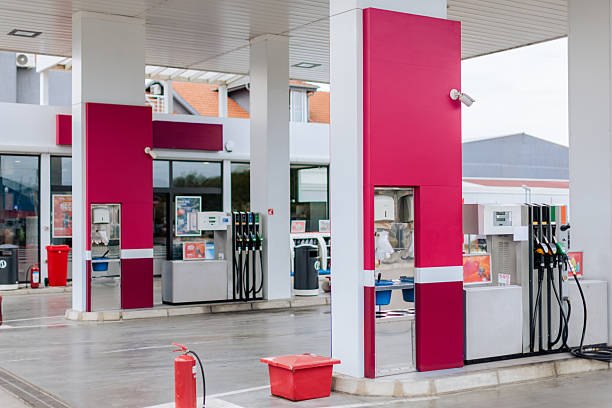
The basic setup is simple and chilling. A thief gets a master key or picks the lock on a gas pump’s exterior door. Inside, they attach a small electronic reader—often no bigger than a deck of cards—directly onto the cable that connects your card slot to the pump’s internal computer. When you swipe your card, the skimmer copies every piece of data from the magnetic stripe: your name, card number, expiration date, and sometimes the CVV code. The skimmer stores this data or transmits it wirelessly to a nearby device. The thief then returns, retrieves the skimmer, and uses your information to make counterfeit cards or buy things online. You do not know anything is wrong until you see a charge for a vacation rental in Cancún or a thousand dollars in gas at stations you have never visited.
These skimmers are not the cheap, obvious devices you might imagine. They are manufactured by criminal networks who sell them for a few hundred dollars each. They are designed to blend in with the pump’s internal wiring, often using the same color cables and connectors. Some are so small they fit inside a plastic sleeve that slides over the card reader itself. Others are installed deep inside the pump’s housing, where even a mechanic might miss them during routine maintenance. The only outward sign might be a slightly loose card reader slot, a misaligned keypad overlay, or a piece of tape covering the door. But most drivers never inspect the pump before swiping.
The Federal Trade Commission and state law enforcement agencies have been fighting this for years. In 2023 alone, investigators in Texas, Florida, and California found hundreds of skimmers hidden inside pumps at major brand stations. The crooks are not targeting mom-and-pop shops exclusively. They go to busy interstate exits, suburban neighborhoods, and even truck stops where drivers are in a hurry. They know that Americans swipe cards at pumps tens of millions of times every day, and they exploit that routine.
So how do you spot a skimmer without taking the pump apart? You cannot always see it, and you should not try to open a pump yourself. But there are practical steps. First, check if the pump’s security tape or seal is broken. Many stations now place a bright, tamper-evident sticker over the pump door. If that sticker is cut, peeled, or looks like it has been replaced, walk inside and pay at the counter. Second, jiggle the card reader. If it feels loose or wobbles, that is a red flag. Skimmers often sit over the factory reader, creating a slight gap or movement. Third, look at the keypad. If the numbers feel thick or raised, or if the keypad does not sit flush with the pump face, someone may have placed an overlay that captures your PIN.
You do not need to be paranoid, but you do need to be deliberate. The safest habit is to pay inside whenever possible. Yes, it takes an extra two minutes. But that two minutes can save you weeks of fraud disputes, canceled cards, and lost funds. If you must use a pump, choose one near the station building or in full view of the cashier. Thieves prefer pumps that are out of sight, around the corner, or at the far end of the lot. Also, consider using a credit card instead of a debit card. Credit cards offer better fraud protections under federal law. If a thief drains your bank account through a debit card, you may wait weeks to get that money back. With a credit card, the liability is often zero, and the fraud team reverses the charge more quickly.
Finally, check your accounts regularly. Do not wait for a monthly statement. Use your bank’s app or website every few days, and set up text or email alerts for any transaction above a small amount, like twenty dollars. If you see a charge you do not recognize, report it immediately. The longer you wait, the harder it is to recover your money or prove fraud.
Gas pump skimmers are not going away. As soon as law enforcement finds one method, criminals develop another. But you are not helpless. Taking a few seconds to check the pump, paying inside, and monitoring your accounts will keep your money where it belongs—in your pocket, not in some skimmer thief’s wallet.
Scam Watch
Protect it before they take it.


Upfront Fee Modeling Agency Scams Over 50
The Bait-and-Switch Appliance Repair Quote: How to Spot the Shell Game