Stolen Cards Returned to the Rack
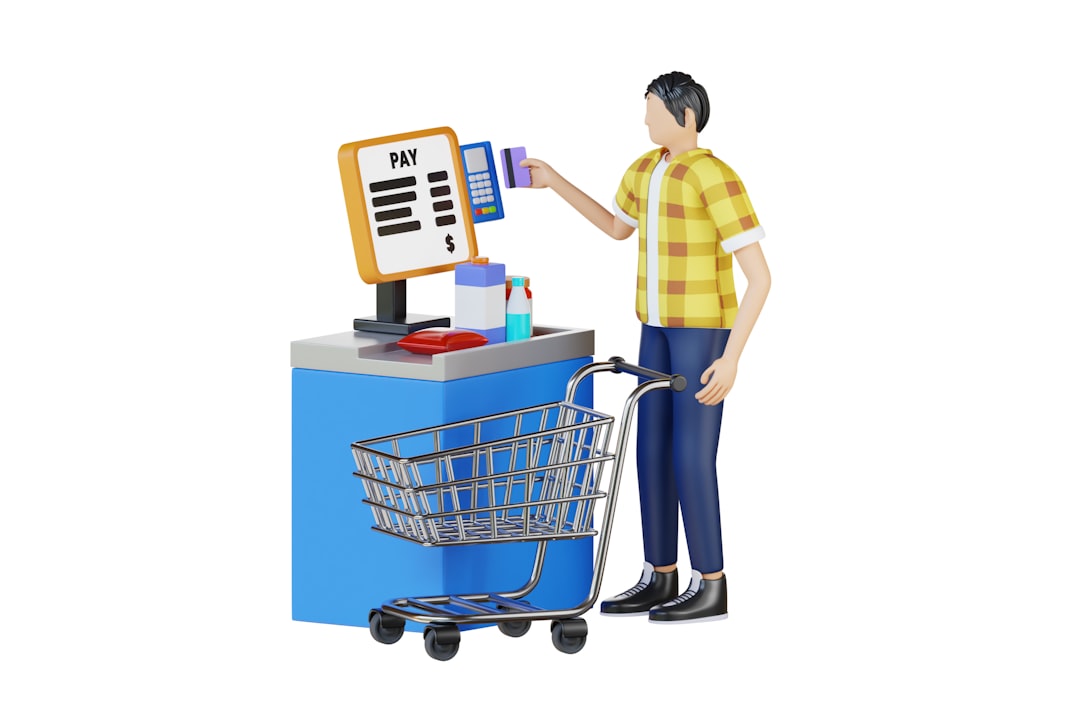
Here’s how it works. Criminals target store displays of prepaid cards—think Visa, Mastercard, or American Express gift cards, as well as store-specific cards for popular retailers or reloadable prepaid debit cards. They carefully remove the card from its packaging, often by peeling back the seal or using a heat gun to soften the adhesive. They then record or photograph the card’s number, expiration date, and CVV code. Next, they either reseal the package or replace the card with a dummy piece of plastic, then return the tampered package to the rack as if it were untouched. An unsuspecting shopper, like you, picks up that card, buys it, and loads money onto it at the register. The criminal, who has already copied the card details, waits for the activation. As soon as the funds are loaded, they either drain the card online or create a cloned card to spend the balance in stores. You end up with a card that shows a zero balance, while the scammer walks away with your $50, $100, or even $500.
This isn’t a rare, freak occurrence. According to the Federal Trade Commission, gift card fraud has skyrocketed in recent years, with consumers losing hundreds of millions of dollars annually. Retailers and card issuers have tried to fight back by placing cards behind customer service counters, adding tamper-evident seals, or requiring in-store activation. But criminals adapt. They know that many stores still keep prepaid cards on open racks, and they know that busy shoppers often grab the first card they see without a close inspection. Worse, some store employees are not trained to spot tampered packaging, or they simply don’t check returns thoroughly. A crook can buy a card, copy the details, then return the card for a refund—essentially creating a free, reusable scam tool.
So how do you protect yourself? First, never buy prepaid cards that are displayed on an open rack if you can avoid it. Ask the store clerk for a card from behind the counter, where inventory is controlled and tampering is much harder. If you must pick from a rack, examine the packaging carefully. Look for any signs of peeling, resealing, or uneven edges. Check that the card’s scratch-off PIN area is intact and not scratched off previously. If the packaging looks suspicious, hand it to a store employee and ask for a different one. Second, after you buy the card, keep the receipt. If you load money onto a card and find the balance is zero within hours, contact the card issuer and the store immediately. Some issuers offer fraud protection, but you may need to file a police report. Finally, consider using digital or electronic gift cards instead of physical ones when possible. They are delivered directly to your email or phone, eliminating the risk of tampering at the rack.
One more thing: be wary of bargain-basement prepaid cards sold at flea markets, online auction sites, or from individuals. These are often stolen, and the original funds were loaded using fraudulent methods. You might get a working card today, but when the legitimate owner reports the theft, the card will be deactivated, and you’ll be left with nothing.
Unreputable’s mission is to keep middle-class Americans from being ripped off. The stolen-cards-returned-to-the-rack scam is a perfect example of an offline crime that preys on trust and convenience. Don’t let a crook turn your next errand into a costly lesson. Inspect every card, buy from behind the counter, and keep your receipt. The few extra seconds it takes could save you real money and real frustration.
Scam Watch
Protect it before they take it.


How Credit Card Shimming Is Quietly Stealing Your Data at the Checkout Counter

Fake Lottery Winnings: How Advance-Fee Prize Scams Empty Bank Accounts