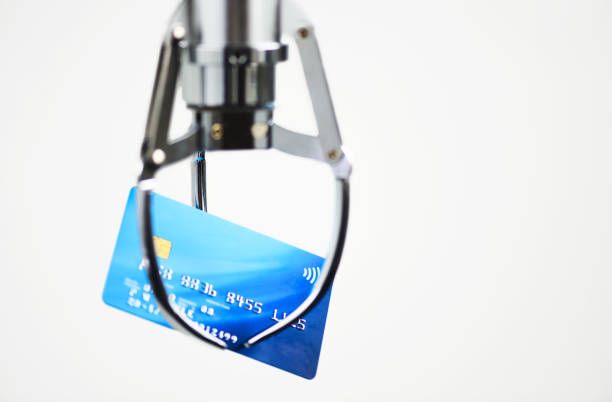
Subscription Box Dropshipping Reprocessing Fees

This is the “subscription box dropshipping reprocessing fee” con, a close cousin of the delivery notification and missed package scams that have plagued consumers for years. The playbook is simple, and it preys on your trust in automated systems, your habit of ignoring fine print, and your reluctance to dispute small charges. Here is how it works, why it is so effective, and what you can do to protect your wallet.
The Set-Up: A Missed Delivery That Never Happened
The scam begins with a familiar email or text: “Your package could not be delivered. Please schedule a redelivery within 48 hours or a reprocessing fee will apply.” The sender appears to be a legitimate company—maybe a subscription service you actually use, or a brand you vaguely remember ordering from months ago. The message includes a link to a tracking page that looks professional, with a logo, a case number, and a countdown timer. If you do not act fast, the fee will be charged to your credit card or deducted from your account balance.
The key detail: the email is fake, sent by a dropshipping operation that never intended to ship anything. These companies often operate without inventory. Instead, they list products on a website, collect your order and payment, then order the items from a third-party supplier to be sent directly to you. That part is legal, though often slow. But when the scam version kicks in, they never place that order. Instead, they generate a bogus tracking number, then claim the package was “undeliverable” due to an incomplete address, a missed delivery attempt, or a “security hold.” The reprocessing fee is then presented as the only way to restart the process.
Why You Pay—And Why You Shouldn’t
The psychological trap is perfectly calibrated. The fee is usually small—$4.99 to $9.99—just enough to irritate but not enough to immediately call your bank. Many people assume it is a standard part of subscription logistics, especially if they have ever paid a restocking fee or a return shipping charge. Others click the link out of haste, hoping to avoid losing the entire order. By the time they realize no package exists, the charge has already posted, and the merchant has vanished behind a generic customer service chatbot or an email address that never responds.
This scam works because it exploits the ambiguity of modern delivery. We all receive occasional missed-delivery notices for legitimate reasons—a driver who skipped your house, a damaged label, or a lockdown-era porch theft. Scammers know this. They mimic that exact experience, down to the font and wording used by major carriers like UPS, FedEx, or USPS. And because the fee is explicitly called a “reprocessing fee,” victims rarely think to check whether the original product was ever shipped.
How to Spot the Con
First, never click a link in an unsolicited email or text about a missed package, even if the sender name looks familiar. Instead, go directly to the website of the subscription service or the carrier using a browser bookmark or a separate search. Log into your account. If the package truly exists, the tracking information will be there, along with a record of your payment and shipping history. If you see no pending delivery or order status, the message is fraudulent.
Second, understand that legitimate subscription companies do not charge a reprocessing fee for a missed delivery. They reschedule for free, offer a refund, or send a replacement. The only fees you should ever see are for expedited shipping, canceled orders, or returns—and those are clearly stated in the terms you agreed to. A vague “reprocessing fee” buried in a pop-up is a red flag.
Third, check your bank account for any recent small charges you do not recognize. Many victims of this scam report multiple $4.99 or $9.99 fees from companies they have never heard of. These are often the result of a “free trial” subscription you signed up for months ago, which then charged you a reprocessing fee when you forgot to cancel. If you see such a charge, dispute it immediately with your credit card issuer. Under the Fair Credit Billing Act, you are not liable for unauthorized charges, and the bank can often reverse the transaction.
What to Do If You Have Been Scammed
If you have already paid a reprocessing fee, do not let embarrassment or resignation keep you from taking action. Contact your bank or credit card company within 60 days of the statement date to file a dispute. Document the entire interaction: save the email, take a screenshot of the tracking page, and note the date and amount of the charge. The merchant will almost certainly not respond to the dispute, and the bank will likely refund your money.
You should also file a report with the Federal Trade Commission (FTC) at ReportFraud.ftc.gov. Even a single report helps the FTC track scam patterns, and your information may be used to shut down the operation. Additionally, warn your friends and family, especially those who are less comfortable with online shopping. Scammers thrive on silence. The more people who know about this trick, the less profitable it becomes.
The Bigger Picture
Subscription box dropshipping reprocessing fees are a perfect example of how scammers weaponize the logistics of modern e-commerce. They do not need to steal your identity or drain your bank account. They only need to charge you a few dollars for something you will not notice—and then do it again and again to thousands of victims. For middle-class Americans on tight budgets, those small charges add up. Do not let a missed-delivery email turn into a monthly leak from your checking account. Verify before you pay. And when in doubt, assume the fee is a scam.
Scam Watch
Protect it before they take it.

Precious Metals IRA Scams: Painful Lessons for Retirees
Medical Billing Franchise Kit With No Clients