Synthetic Identity Theft: How Scammers Build Fake People With Your Real Social Security Number
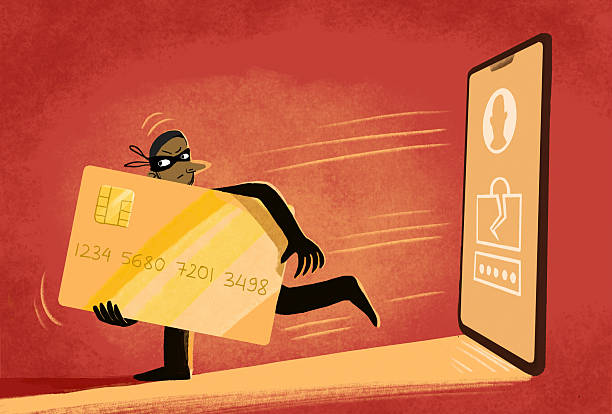
This matters especially for Americans in their mid-forties through mid-sixties. You have had decades to build a credit history, a work history, and a tax record. Your Social Security number has passed through employers, banks, mortgage companies, insurers, doctors, colleges, and dozens of databases. Every one of those places can be breached. Once your number is exposed, it can be sold on the dark web and used in ways that do not immediately show up on your credit report. Synthetic fraud is patient. The scammer may let the fake identity sit for months or years, making small purchases and paying on time. That builds a credit score for a person who does not exist. Then the scammer maxes out the cards, stops paying, and disappears. The unpaid debt gets tied to your Social Security number, even though the name on the account is not yours.
The damage can surface at the worst possible time. You might be refinancing a home, applying for a car loan, changing jobs, signing up for Medicare, or filing for Social Security benefits. A background check or credit review suddenly shows accounts, addresses, or employment records you do not recognize. In some cases, the Social Security Administration has wages reported under your number by an employer you never worked for. The IRS may flag your return because someone else used your number to work. Your tax refund can be delayed. Cleaning it up can take months of phone calls, letters, and documentation.
Synthetic identity theft often starts with a data breach, but it also starts with everyday mistakes. Scammers use phishing emails and text messages that look like they come from your bank, the IRS, Medicare, or a package delivery service. They call and claim your Social Security number has been suspended. They ask you to confirm it to reactivate benefits. They set up fake job applications that ask for your full number before you have even met anyone in person. They steal mail, including preapproved credit offers and tax documents. They buy records from crooked employees at hospitals, car dealerships, or apartment complexes. Once they have a real Social Security number, they can mix it with a fake name and start building a credit file that looks legitimate to lenders.
You cannot stop every breach, but you can make your number much harder to abuse. Freeze your credit with all three major credit bureaus. It prevents most lenders from checking your file unless you temporarily lift it. Review your credit reports and look for accounts, names, addresses, or employers you do not recognize. Check your Social Security earnings statement every year to make sure your reported wages are correct. Set up an IRS Identity Protection PIN so no one can file a tax return with your number. Use unique passwords and two-factor authentication on bank, credit card, email, and Social Security accounts. Do not give your Social Security number over the phone, by text, or by email unless you initiated the contact and verified the business. Shred documents that show your number.
If you suspect synthetic identity theft, act quickly. File a report with the Federal Trade Commission. Contact the Social Security Administration and the IRS. Notify the three credit bureaus and ask for a fraud alert or freeze. File a police report. Keep a written log of every call, letter, and reference number. Dispute accounts that are not yours. Synthetic identity theft is not a single stolen card. It is a fake person built on your real number. The sooner you find it, the less damage that fake person can do.
Scam Watch
Protect it before they take it.


The Fake Bank Fraud Alert That Can Empty Your Account

Door-to-Door Charity Scams After a Disaster: How to Spot the Fakes and Protect Your Wallet