The Diagnostic Fee Scam: When Paying for a Look-Seen Costs You a Fortune
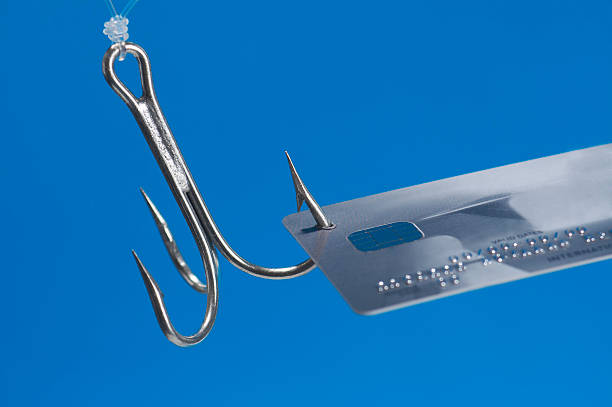
Here’s how the racket works. The advertised low service fee—often $79 or $99—is a loss leader. The company knows they’ll never make money on that visit alone. So they push their technicians to “find” additional work. The tech is paid commission, not just an hourly wage. The bigger the repair bill, the fatter his cut. That’s the entire economic model. And it’s not just a few bad apples. Many of the big national plumbing and HVAC chains run this playbook systematically. They hire salespeople disguised as technicians, hand them a tablet with pre-loaded “common failure” scripts, and send them into your home. You think you’re getting a repair. You’re getting a pitch.
The most effective weapon in their arsenal is fear. A tech will stare at a water heater and say, “Ma’am, this tank is showing signs of imminent failure. If it bursts, you’ll have flood damage across your whole basement, and your insurance won’t cover it because of the age.“ Or he’ll point at a furnace and claim, “Your heat exchanger has a micro-crack. That’s carbon monoxide leaking into the living space. You might not smell it, but your family is in danger.“ For a 54-year-old homeowner who’s never touched a wrench, that kind of language is terrifying. You don’t question a life-safety warning. You sign the estimate.
But here’s the truth: a diagnostic fee buys you a diagnosis, not a sales pitch. A legitimate technician will tell you what’s wrong, give you a clear estimate, and respect your decision to get a second opinion. A shark will make you feel like a negligent parent for even hesitating. They’ll also use the “flat rate” trick. They quote a flat price for a job—say, $1,200 to replace a heat pump capacitor—when the part costs $45 and the labor takes twenty minutes. Flat rate sounds simple and protective, but it’s just a way to hide enormous markups. Some companies also tack on bogus “after-hours” or “emergency” fees. They know that when your AC dies in August, you’re not likely to shop around. That’s the emergency HVAC shark’s prime hunting ground.
What can you do? Start by refusing to approve anything on the spot. Write down the tech’s diagnosis, the part numbers he claims are failing, and the quoted price. Then call another company. A second opinion costs a hundred bucks, not eight thousand. Ask the second tech to specifically test the parts the first tech flagged. If he says, “That capacitor is fine,“ you’ve just saved yourself a bundle. Also, never pay a diagnostic fee without getting a written report. If the company won’t put their findings on paper, walk away.
Another defense: learn the basics of your own equipment. You don’t need to become an engineer, but understanding that a furnace has a flame sensor, that an AC has capacitors and contactors, and that a water heater has a sacrificial anode rod—that basic vocabulary makes it much harder for a shark to snow you. When a tech says “the blower motor is locked up,“ you can ask, “Show me the reading from the amp clamp.“ If he can’t produce a specific reading, he’s guessing.
Finally, be suspicious of companies that send a truck with a polished logo and a “warranty” that only covers the exact part they’ve already decided to replace. A real warranty covers labor, parts, and the line item you actually needed fixed. And don’t let the “emergency” label override your judgment. Unless there’s water pouring through the ceiling or your heat is off in below-freezing temperatures, you are not in an emergency. You are in a negotiation. The tech knows that. You should too.
The bottom line is simple: the diagnostic fee scam thrives on your trust and your panic. It preys on people who want to believe that the smiling person in the branded shirt has their best interests at heart. He doesn’t. He has a quota. So get that diagnosis in writing, get a second opinion, and treat any urgent recommendation as a sales tactic until proven otherwise. A few hours of delay and a few hundred dollars in second-opinion fees are a small price to pay for avoiding a five-figure nerve-salt job. You’ve worked too hard for your money to hand it over to a guy with a plunger and a personality.
Scam Watch
Protect it before they take it.


Jamaican Lottery Caller ID Spoofs

The Emergency HVAC and Plumber Scam: How They Trap You With Dispatch Fees and Unnecessary Repairs