The Fake Bank Fraud Alert: A Phishing Trick That Still Works Too Often
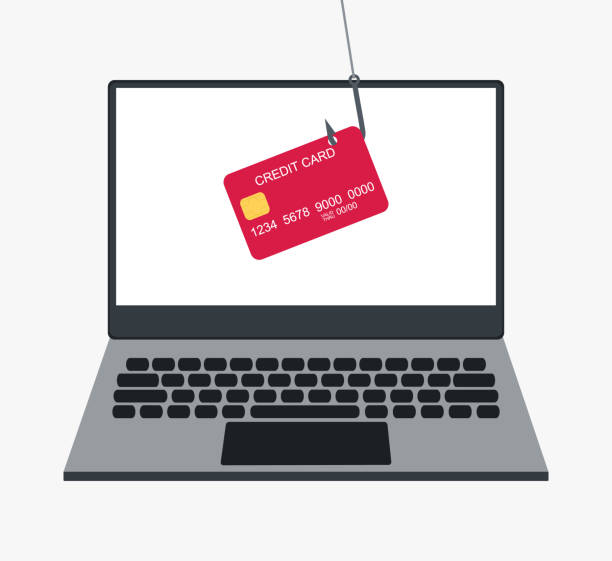
The details make it believable. Data breaches have exposed names, addresses, phone numbers, email addresses, and partial card numbers. Scammers buy and trade these lists. They can make a message look like it came from your bank’s short code. They can spoof caller ID so the fraud department number appears. They know people over 45 are likely to have credit cards, home equity lines, retirement accounts, and adult children who might call in a crisis. They do not need to know everything. They need you to react before you think.
The fake fraud alert usually follows a script. First, it creates urgency. Second, it offers a solution. Third, it moves you off the official channel. The link leads to a page that looks exactly like your bank login. You type your username and password. Then it asks for a one-time code. You provide it. Within seconds, the crook is inside your real account. If you call the number, a polite “fraud specialist” answers. Background noise sounds like a call center. They may read your address and recent transactions to prove they are legitimate. Then they ask you to verify your identity with your Social Security number, PIN, or online banking password. That is not verification. That is theft.
A newer wrinkle is the “safe account” story. The caller says your account has been compromised and you must move your money to a protected account. They may tell you to send a wire, buy gift cards, or use Zelle to a “trusted agent.“ No real bank does this. Banks do not ask customers to transfer money to a safe account to catch a thief. If that phrase comes up, you are not talking to your bank. You are talking to a criminal.
Another version targets email. You receive an alert about an unusual sign-in from a city you have never visited. The email uses your bank’s logo and colors. The sender address may have an extra letter or a different domain. The link may look correct at first glance, but hovering over it shows a different web address. On a phone, that can be harder to see. The message may say your account is locked until you confirm your identity. Again, the goal is to make you click and type. Once they have your credentials, they can change your password, add a phone number for two-factor codes, and lock you out.
The reason this belongs in a phishing hall of shame is that it is not sophisticated. It is a costume. It works because it imitates trust and punishes hesitation. The fix is not technical genius. It is a habit. Treat every unexpected message about your money as a possible fake. Do not click the link. Do not call the number in the message. Do not reply, not even to say STOP. Open your bank’s official app or type the bank’s web address yourself. Call the customer service number on the back of your card or on your statement. If the issue is real, the bank will confirm it through those channels.
If you already clicked or gave information, act fast. Call your bank using the official number. Tell them what happened. Change your online banking password and any password you reused. Turn on two-factor authentication, preferably with an authenticator app rather than text messages. Check your accounts for small test charges and new payees. Consider freezing your credit with all three major credit bureaus. Report the scam to the Federal Trade Commission and the FBI’s Internet Crime Complaint Center. Keep records. You are not foolish for being targeted. You are only foolish if you let embarrassment stop you from reporting it.
The fake bank alert keeps working because it feels personal, urgent, and official. It is none of those things. It is a trap with a familiar logo. Slow down. Verify through a channel you choose. That one habit will keep more money in your account than any security software you can buy.
Scam Watch
Protect it before they take it.


"Pickup Failed" Rescheduling Link Dangers
Wildfire Missing Animal Rescue Scams