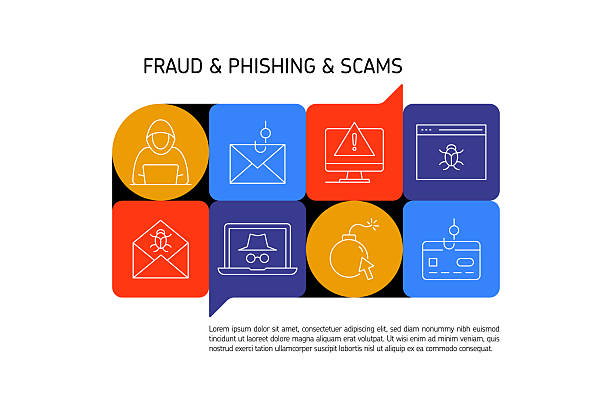
The Fake “Missed Package” Text Scam: How It Works and How to Protect Yourself
Let’s be blunt: if you get an unsolicited text or email about a missed delivery, do not click the link. Do not reply. Delete it. The scam is simple but effective. The message creates urgency—you don’t want to miss the package, so you act fast. The link leads to a fake website that looks almost identical to the real carrier’s site. There, you’ll be asked to enter personal information: your name, address, phone number, and sometimes your credit card or bank account details to pay the “redelivery fee” (usually $2 to $5). Once you submit, the scammers have your financial info—and they can drain your account or run up charges before you even realize what happened. In some versions, the site also installs malware on your phone that can steal passwords and other sensitive data.
Why do these scams work so well on people in their 40s, 50s, and 60s? Because you’re likely ordering online more than ever—groceries, gifts, supplies. You’re also more trusting of official-looking messages. Scammers know that. They also know that many people in your age group didn’t grow up with smartphones and may not instinctively recognize a phishing attempt. That’s not a knock on you; it’s a fact. The scammers exploit that gap.
The fake delivery text is a variation of what’s called “smishing”—SMS phishing. The same technique works through email. The message often includes a tracking number (made up), a deadline (“Your package will be returned in 24 hours”), and a link that starts with something like “usps-tracking.site” or “fedex-delivery-update.com.” Legitimate carriers will never text you out of the blue asking you to click a link to confirm personal or payment details. If you’re expecting a package, you can always check the tracking directly on the carrier’s official website or app. Never use the link in the text.
Another red flag: the message may address you generically (“Dear Customer”) instead of by name. Real carriers have your actual name and address from the sender. The grammar might be slightly off—missing punctuation, odd capitalization. But lately, scammers have gotten better at writing clean messages, so don’t rely on bad grammar as the only clue.
What should you do if you receive such a text? First, don’t interact. Second, block the sender if your phone allows. Third, report it. Forward the suspicious text to 7726 (SPAM) for mobile carriers, or to the Federal Trade Commission at reportfraud.ftc.gov. You can also notify the carrier it pretends to be: for example, USPS has a dedicated reporting form at uspis.gov (the Postal Inspection Service). The more reports, the faster these phishing numbers get taken down.
But you must also protect yourself after the fact. If you already clicked the link and entered any information, act immediately. Call your bank or credit card company to put a fraud alert on your account. Change your passwords for any accounts you use on that phone, especially email and banking. Run a security scan on your phone or computer—most antivirus apps have free versions. Consider putting a fraud alert on your credit reports with the three major bureaus (Equifax, Experian, TransUnion). It’s free and can stop scammers from opening new accounts in your name.
Don’t underestimate how much damage a single tap on a bad link can do. Scammers use these small “redelivery” fees to test if your card is valid. Once they know it works, they sell your information on the dark web or use it for larger purchases. In one 2023 survey, the Federal Trade Commission reported that delivery-related scams cost Americans over $300 million in a single year. That’s real money out of your pocket—money you might have saved for a vacation, a home repair, or your retirement.
The bottom line: treat every unexpected delivery notification as guilty until proven innocent. If you are expecting a package, check the carrier’s official tracking page directly—type the URL yourself. If you are not expecting anything, it’s almost certainly a scam. Never pay a fee to receive a package you didn’t order. And if the message says you missed a delivery, remember that real carriers leave a note or try again—they don’t email or text you with a link. Keep your guard up, and you’ll stay safe.
Scam Watch
Protect it before they take it.

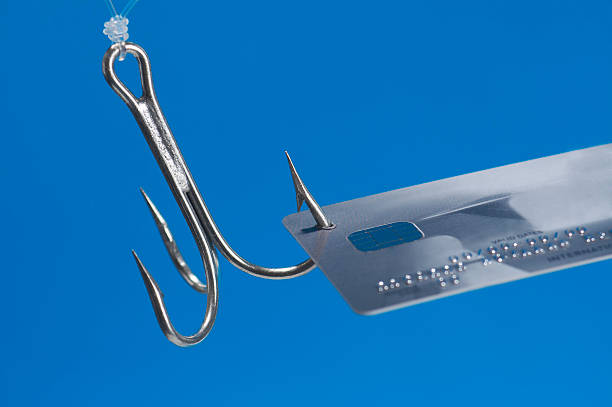
The Diagnostic Fee Scam: When Paying for a Look-Seen Costs You a Fortune
Don’t Let Emergency Plumbers and HVAC Sharks Empty Your Wallet with Phantom Repairs