The Fake Package Delivery Text: Your Next Door Could Be a Phishing Trap
Smishing is the text message version of phishing. Instead of a suspicious email landing in your inbox, a fraudulent text message lands in your messaging app. The scammers behind these texts are not amateurs. They study how major shipping companies communicate. They copy the logos, the official-sounding language, and the sense of urgency. The text might claim your package cannot be delivered because of an incomplete address. It might say you owe a small customs fee. It might warn you that your delivery is on hold and you need to confirm your identity. Every single one of these messages has the same goal: get you to click the link.
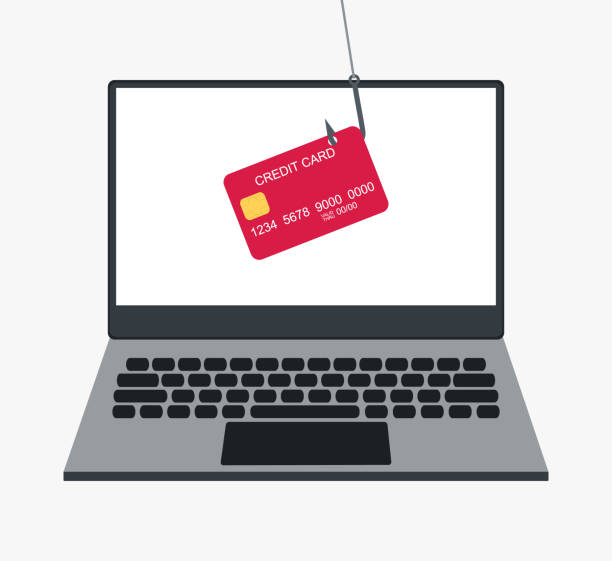
When you click that link, you are not taken to the real FedEx, UPS, or USPS website. You are taken to a page that looks exactly like the real thing. The scammers have built a perfect replica. The page will ask you for your name, your address, your phone number, and very often your credit card number. They claim a small fee is needed to release the package. You enter your information because you want that package. Now the scammer has your name, your home address, your phone number, and your full credit card details. In the next hour, that credit card will be used to buy gift cards, electronics, or prepaid debit cards. You will not realize it until you check your bank statement.
The psychology here is ruthless. You are busy. You are expecting a package. The message arrives at the exact moment you are distracted. It claims to be urgent. The human brain is wired to solve problems quickly. You want to fix the address issue or pay the small fee so your delivery arrives. That split second of trust is all the scammer needs. They are betting that you will act before you think. They are betting that you recognize the brand name and let your guard down.
The numbers are staggering. The Federal Trade Commission reports that consumers lost nearly ten billion dollars to fraud in 2023, and a massive chunk of that came from smishing attacks. People between the ages of 45 and 64 are prime targets. You have credit cards with high limits. You have savings. You order things online regularly. You are less likely to dismiss a text message as spam because you use text messaging for legitimate communications with your bank, your doctor, and your family. The scammers know this. They are not fishing for teenagers. They are fishing for you.
So how do you spot this trap before you fall into it? Start with the sender. Real shipping companies do not send text messages from random phone numbers. They send from short codes or official branded numbers. If the text comes from an area code you do not recognize, that is your first red flag. Look at the link. Do not click it. Instead, press and hold the link on your phone to preview the web address. If the address is a jumble of letters and numbers, or if it ends in something like .tk or .top or .xyz, it is a fake. Real USPS links end in usps.com. Real FedEx links end in fedex.com. There is no exception to this rule.
The biggest warning sign is the request for payment. No shipping company will text you out of the blue asking for your credit card number. If a fee is truly owed, you will receive a notice through the official tracking system or a piece of mail. The text message demanding immediate payment is a lie. Delete it. Do not reply. Do not click. Do not even type the word STOP, because that tells the scammer that your number is active and a real person is reading their messages. That will only get you added to a list sold to other scammers.
If you are genuinely worried about a package, do not use the link in the text. Open your internet browser manually. Type in the official shipping company website. Enter your tracking number. If there is a real problem, it will show up there. If nothing shows up, the text was a scam. You can forward the suspicious text to 7726. That is the number SPAM spelled out on a phone keypad. The major wireless carriers use it to track and block scam messages. It takes ten seconds to forward the text, and it helps protect other people.
The best defense is a simple rule that covers almost every smishing attack: if a text message creates a sense of urgency and asks you to click a link, pause. Take your thumb off the screen. Breathe. Ask yourself if you were really expecting that package. Ask yourself if a company you do business with has ever contacted you this way before. The answer is almost always no. That pause, that single moment of hesitation, is what separates you from the victims. Do not let urgency overrule your judgment. The package is not real. The scam is.
The price of one click is too high. It is your credit, your savings, and your identity on the line. These scammers are cold and persistent. They will try again next week with a different story. Maybe it will be a bank alert. Maybe it will be a fake invoice. The method changes, but the trap stays the same. Be skeptical. Trust the official channels. And never, ever tap that link.
Scam Watch
Protect it before they take it.

Free Cruise Mandatory Port Charge Fee Gouging
The Contractor Who Wants a Big Deposit Upfront: How to Spot a Home Renovation Scam Before You Lose Your Money