The Foreclosure Rescue Scam: How Con Artists Steal Your Home Equity
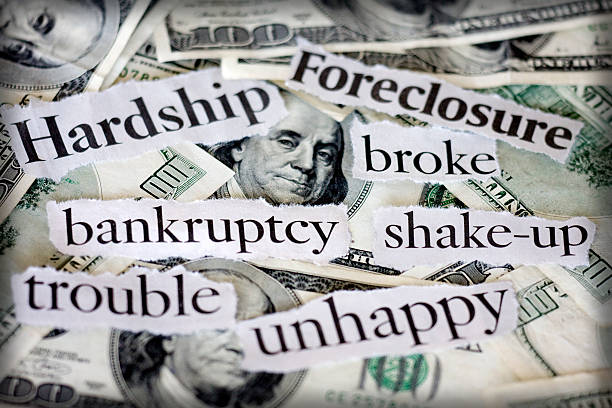
The scam works in several variations, but the common thread is this: you sign over the deed to your home, often without fully understanding what you are doing. The scammer tells you they will “help you catch up on payments” or “buy your house and let you stay as a renter with an option to buy it back.” You think you are getting a lifeline. Instead, you are giving away your most valuable asset. Once the deed is transferred, the con artist takes out a new mortgage against the property, pockets the cash, and leaves you with nothing. In many cases, they then evict you for failing to pay the new, higher rent they demand. By the time you realize what happened, your credit is ruined, your home is gone, and the scammer is long gone with your equity.
Why does this work so well on middle-class Americans in your age group? Because you have worked hard for decades, you trust people who seem professional, and you are terrified of losing your home. Scammers know that fear is a powerful weapon. They will show you official-looking documents, hand you a business card with a fancy title, and speak in reassuring tones. They may even claim to be affiliated with a government program or a nonprofit. They will tell you that your bank won’t help you, but they can. They will pressure you to act fast. That urgency is a red flag. Legitimate foreclosure assistance programs do not demand that you sign over your deed. They do not ask for upfront fees. They do not promise quick fixes.
Another version of this scam targets people who are not even in foreclosure. It is called “equity skimming.” A con artist poses as a real estate investor who wants to buy your house “as-is” for cash. They offer a price that sounds fair, but the catch is that you must sign a contract that allows them to take possession immediately while promising to pay you later. They then rent out the property to unsuspecting tenants, collect rent for months, and never pay you a dime. You are left holding a mortgage on a house you no longer control, and you cannot sell it. This ripoff is especially common in neighborhoods with older homes, where owners are looking to downsize or move closer to family.
How do you spot a foreclosure rescue or equity skimming scam before it is too late? First, never sign a deed or any legal document without reading it carefully and consulting a lawyer. If someone tells you they can “stop foreclosure in 24 hours” or “erase your mortgage debt,” walk away. They cannot. The only people who can modify your loan or halt a foreclosure are your lender or a HUD-approved housing counselor. The U.S. Department of Housing and Urban Development maintains a list of certified counselors who work for free. Use them. Second, be wary of any company that asks you to pay upfront fees for foreclosure help. That is illegal in most states. Third, if a buyer insists that you transfer the deed to them as part of a lease-option or rent-to-own arrangement, say no. Legitimate rent-to-own contracts do not transfer ownership until you have fulfilled all payment terms.
What should you do if you are struggling with your mortgage? Pick up the phone and call your lender directly. They have loss mitigation departments that are required to work with you. You can also call 211 in many areas to find free legal aid or housing counseling. Never rely on someone who knocks on your door, puts a flyer on your car, or calls you out of the blue offering to save your home. Those are the hallmarks of a predator.
The damage from these scams goes far beyond financial loss. Victims often suffer severe emotional distress, strained family relationships, and years of legal battles trying to prove they were tricked. Some end up homeless. For middle-class Americans in their prime earning years, losing a home can derail retirement plans and wipe out a lifetime of savings. That is why you must treat every unsolicited offer related to your property with deep suspicion. Your home is not just a roof over your head. It is the cornerstone of your financial stability. Do not let a smooth-talking con artist convince you otherwise.
Scam Watch
Protect it before they take it.

The Fake Bank Fraud Alert Text That Can Empty Your Account

Dealer Add-On Etching and Fabric Protection