The Free Credit Freeze Laws You Should Use
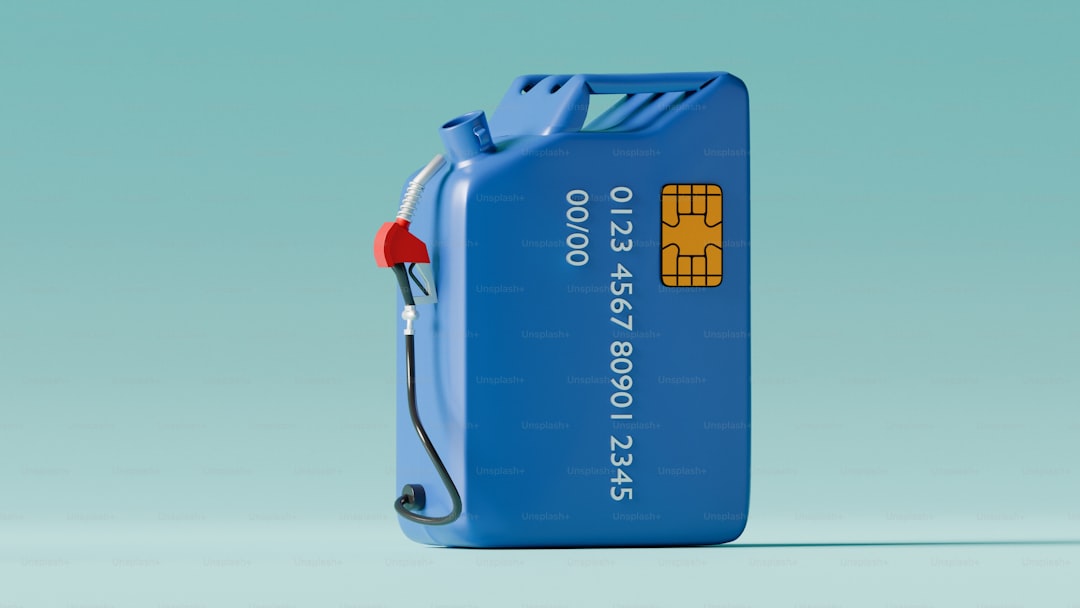
Before the Economic Growth, Regulatory Relief, and Consumer Protection Act took effect in September 2018, freezing your credit files at Equifax, Experian, and TransUnion could cost you anywhere from five to ten dollars per bureau per freeze. That changed after the massive Equifax breach exposed the sensitive data of nearly 150 million Americans. Congress finally recognized that asking consumers to pay for protection against a problem they did not cause was unjust. Now, every American can freeze and unfreeze their credit for free, as many times as they want, at all three major credit reporting agencies. There are no catches, no hidden fees, and no expiration dates on this right. Yet most middle-class adults over 45 still have not done it, often because they think it is complicated or unnecessary.
Let us be clear about what a credit freeze actually does. When you freeze your credit file at Equifax, Experian, and TransUnion, you effectively lock the door on new credit applications. No lender, credit card issuer, auto finance company, or landlord can pull your credit report to approve a new account unless you first lift the freeze with a personal identification number or password that only you know. This means that even if a scammer has your full Social Security number, your mother’s maiden name, and your complete work history, they cannot open a new credit card in your name because the lender will be told your file is frozen and the application will be rejected. This is not a temporary alert or a fraud alert that expires in 90 days. It is a permanent block until you choose to remove it.
The process of freezing your credit is straightforward and can be done entirely online or by phone. Go to each bureau’s website—Equifax, Experian, and TransUnion—and look for the “credit freeze” or “security freeze” option. You will need to provide your name, address, date of birth, and Social Security number. Each bureau will give you a unique PIN or password that you should write down and store securely. You can also freeze your credit at the lesser-known but important agency called ChexSystems, which banks use to check your checking and savings account history. This prevents scammers from opening bank accounts in your name to launder money or cash stolen checks. All of these freezes remain in place until you request a temporary lift or permanent removal.
A common objection among people in our age group is that a credit freeze will make it hard to apply for a new credit card or loan when you actually need one. This is a valid concern, but the process is easier than most assume. When you want to apply for a new credit card, a mortgage, or even a car loan, you simply log into each bureau’s website, enter your PIN, and request a temporary lift for a specific period, such as three days or a week. You can also lift the freeze for a specific lender by name. The lift usually takes effect within an hour, though some bureaus may take up to 24 hours. Plan ahead when you are shopping for credit, but do not let convenience keep you from protecting your identity every single day.
The synthetic identity fraud problem deserves special attention here. Scammers are increasingly creating hybrid identities that combine a real Social Security number, often stolen from a child or an elderly person, with a fake name and date of birth. This makes the fraud extremely hard to detect because the Social Security number belongs to a real person, but the fabricated identity does not match any real individual until years later when the victim checks their credit report. A credit freeze on your own file prevents a synthetic identity from being attached to your Social Security number because any attempt to open credit under that number will hit your frozen file and be denied. The freeze does not stop someone from using your Social Security number for tax fraud or medical identity theft, but it stops the most damaging and expensive form of synthetic fraud cold.
Do not forget that credit freezes are not the same as credit monitoring services, which many companies sell for a monthly fee. Monitoring alerts you after something has already happened, like a new account being opened or a change in your credit score. A freeze prevents the account from being opened in the first place. You do not need to pay a single dollar for monitoring if you have a freeze, because the freeze itself is the ultimate prevention. Check your credit report for free once a year at AnnualCreditReport.com to verify that no accounts have slipped through, but a freeze is your main shield.
The bottom line for any American aged 45 to 64 who wants to avoid the nightmare of identity theft and synthetic ID fraud is simple. Go to Equifax, Experian, TransUnion, and ChexSystems right now and freeze your credit for free. Save your PINs in a secure place. Unfreeze only when you need to apply for credit. This single action takes less than thirty minutes and will stop the vast majority of online scams that rely on opening new accounts in your name. Do not wait until you see a fraudulent charge or a collection notice for a loan you never signed. By then, the damage is already done and the cleanup can take months or years. Use the free credit freeze laws today and take control of your financial safety.
Scam Watch
Protect it before they take it.

The Package Delivery Phishing Scam: How a Simple Text Can Empty Your Bank Account

The Mystery Shopper Trap: How That Easy Work-from-Home Job Could Drain Your Bank Account