The Hidden Trap of Gift Card Tampering: How Scammers Drain Your Money Before You Even Use It
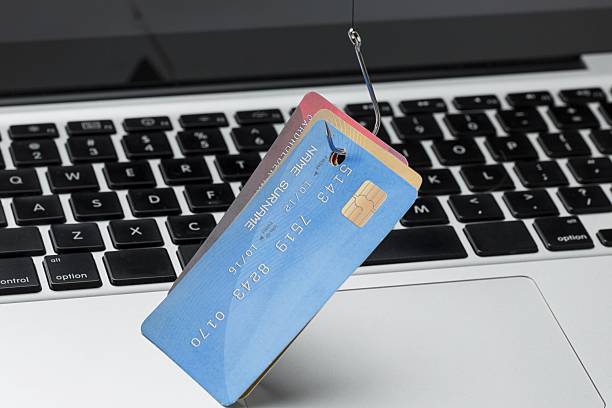
The scam works like this. A thief goes to a store, finds the display of gift cards hanging on hooks or sitting in a spinning rack, and looks for cards whose packaging is easy to open without tearing. Using a small tool or even a fingernail, they carefully peel back the sticker or lift the flap that covers the card’s PIN and the scratch‑off layer. They record the full card number, the PIN, and sometimes the security code. Then they reseal the package using a dab of glue or a heat gun so it looks untouched. The card goes back on the rack.
Later, when you buy that same card and load it with money at the checkout, the thief’s automated software – or a simple script running on their phone – checks the card’s balance online every few minutes. The moment the card is activated, the thief drains it. They may buy high‑value goods, sell the card for cash on a peer‑to‑peer marketplace, or convert it into cryptocurrency. By the time the legitimate recipient tries to spend the gift card, the money is gone.
This crime is not limited to one type of store. Thieves hit large chains, drugstores, supermarkets, and even department stores. They target any retailer that displays gift cards openly on racks where customers can handle them. Some thieves work in teams: one distracts the store staff while another quickly records dozens of cards. Others use barcode scanners to copy data without even touching the packaging. The scam is so profitable that organized crime rings have become involved, treating gift card tampering as a low‑risk, high‑yield hustle.
Why should you, a middle‑class American in your 50s or 60s, care? Because scammers know that people in your age group often buy gift cards for grandchildren, nieces, nephews, or as thank‑you gifts for service workers. You are also more likely to buy a physical card at a store rather than an e‑gift card online. And if the card is drained, the retailer and the card issuer often refuse to refund the money. They argue that once the card is activated, the funds are legally the property of whoever possesses the PIN – and they cannot tell whether you or the thief used it. You are left holding worthless plastic.
The warning signs are subtle but real. Before you buy a gift card, inspect the packaging carefully. Look for any rips, tears, or wrinkles near the seal that holds the card inside. Check whether the scratch‑off layer over the PIN has been disturbed – if it looks rough or partially scratched, do not buy that card. Some scammers use a thin sticker that they lift and replace; run your fingernail along the edges to feel for a bump or misalignment. If the card is in a cardboard sleeve, pull the sleeve open slightly and see if the card itself has any visible wear or fingerprints on the magnetic strip.
Better yet, avoid the rack altogether. Go to the customer service counter or the gift card display that is kept behind the counter, where employees control access. Ask the cashier to hand you a card directly from a sealed box or from a secure location. Online, you can buy electronic gift cards that are delivered to the recipient’s email. These are much harder for thieves to tamper with because there is no physical packaging to interfere with. If you do buy a physical card, register it on the issuer’s website immediately after purchase, and encourage the recipient to do the same. Registration gives you a way to track the balance and, sometimes, to report a stolen card.
Another common twist: scammers target not just gift cards but prepaid debit cards used for things like Visa or Mastercard gift cards. The same tampering method applies. In one variation, the thief records the card’s number before it is sold and then calls the issuer’s automated system repeatedly, checking the balance. The moment the card is loaded, they move the money to another prepaid card or an online account. Some even sell the stolen card numbers on dark‑web forums before the card is activated, giving other criminals a chance to drain it the instant it becomes live.
What can you do if you already bought a tampered card and lost money? First, contact the retailer where you bought the card. Some large chains, under pressure from consumer advocates and law enforcement, have begun offering refunds or replacements for cards that are clearly tampered with. You may need to provide the receipt, the card itself, and a detailed description of the package’s condition. Second, file a complaint with the Federal Trade Commission at ReportFraud.ftc.gov. They track these scams and share data with local police. Third, report it to your state attorney general’s office, especially if the retailer has a pattern of selling compromised cards. Do not expect a quick fix; the system is stacked against you, but persistence sometimes pays off.
The best protection is skepticism. Do not assume that a gift card on a rack is safe just because it looks new. Treat the display like a used‑car lot: inspect everything, ask questions, and only buy from a source you trust. For the price of a little extra caution, you can avoid losing the money you intended as a generous gift – and keep the scammers from adding your name to their list of easy marks.
Scam Watch
Protect it before they take it.


How to Spot a Real Estate Agent or Broker Who Is Working Against You

How to Spot a Ponzi Scheme Aimed at Your Retirement Savings