The Investment Romance Scam: When Love Becomes a Costly Lie

The investment romance scam is one of the most profitable and devastating schemes targeting middle-class Americans in the 45 to 64 age bracket. According to the Federal Trade Commission, romance scams cost victims over a billion dollars in recent years, and the median loss is in the thousands. What makes this particular con so effective is the emotional hook. Scammers do not just ask for cash outright. They build a relationship that can last weeks or months, establishing trust, affection, and even a sense of future together. By the time they ask you to invest, you believe you are helping a partner, not a criminal.
The script is predictable once you know what to look for. After you have grown close, your new love interest mentions an exciting investment opportunity. Perhaps they have made a fortune trading cryptocurrency, or they have inside information on a stock, or they run a profitable forex account. They offer to show you how to make easy money. They send screenshots of impressive returns, explain the platform in simple terms, and offer to “help” you set up an account. They never want you to meet in person or video chat because they are “deployed” or “traveling.” That is the first red flag you cannot ignore.
The scammer directs you to a fake trading platform that looks professional and legitimate. You deposit a small amount, say five hundred dollars, and within days the account shows a profit. You withdraw a portion successfully to build confidence. Then the pressure mounts. Your romantic partner urges you to invest more, much more. They promise huge returns, claim a limited-time opportunity, or say they have already contributed their own money and need you to match it. You liquidate savings, borrow from retirement accounts, or take out loans. The amounts grow into tens of thousands.
When you try to withdraw your supposed profits, the platform demands fees, taxes, or verification payments. Your partner reassures you that it is normal, that they have done it before, and they even “pay” part of the fees to show solidarity. But the money never comes back. Eventually the platform disappears, the scammer blocks you, and you are left with an empty bank account and a broken heart. The Federal Bureau of Investigation and the Better Business Bureau have documented thousands of cases exactly like this.
Why does this work so well on people your age? Middle-class Americans in their forties, fifties, and early sixties often have accumulated savings, own homes, and may feel lonely after divorce, widowhood, or children leaving home. Scammers know this demographic is both financially stable and emotionally vulnerable. They know you are less likely to ask for help because you feel embarrassed or ashamed. They exploit your desire for companionship and your trust in someone you believe cares for you.
You can protect yourself with a few hard rules. Never send money to someone you have not met in person, no matter how long you have talked. Never invest in anything promoted by a romantic partner you met online. If someone you have never met asks you to download a trading app, set up a crypto wallet, or transfer funds, stop all communication immediately. Real love does not require financial tests. Real investors do not need your money to prove their success. And real partners will video chat, share their full name and background, and eventually meet you face to face.
If you suspect you are caught in this scam, act fast. Stop all communication. Do not send another dollar. Report the incident to the Federal Trade Commission at ReportFraud.ftc.gov, and file a complaint with the FBI’s Internet Crime Complaint Center. Contact your bank or credit card company to halt transactions. Tell a trusted friend or family member. Do not hide in shame. Scammers are professionals who have destroyed countless lives, and the only way to fight back is by speaking up and warning others.
Remember that no legitimate investment offers guaranteed returns through a stranger on a dating site. No military officer stationed abroad will ask a new online love interest to manage their finances. No wealthy businessperson needs your retirement savings to grow their fortune. The promise of easy money wrapped in affection is the oldest trick in the book, updated for the digital age. Stay skeptical, stay safe, and keep your money where it belongs: in your own hands.
Scam Watch
Protect it before they take it.

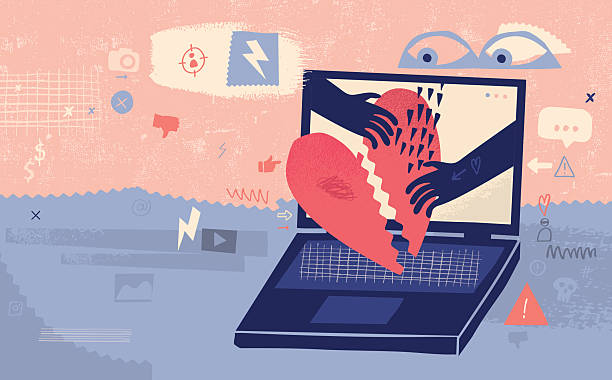
The Webcam Extortion Email: What to Do When a Stranger Threatens to Expose You

The New “Friend” Luring You Into a Crypto Nightmare