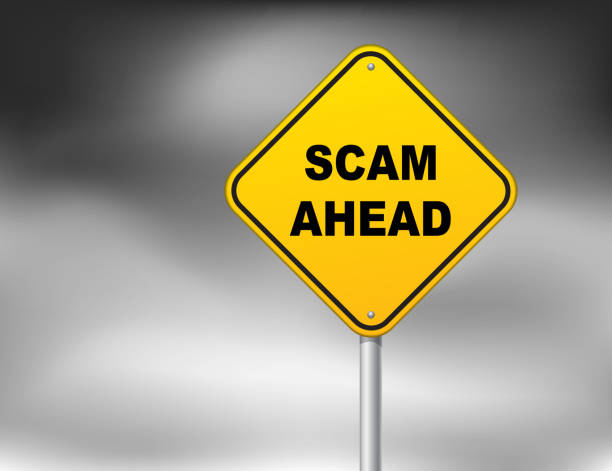
The Military Romance Scam: How Fake Soldiers Target Your Heart and Wallet

The setup is always the same. A stranger contacts you on a dating site, social media platform, or even in a comment thread on a news article. The profile picture shows a handsome man in uniform, sometimes with medals, a dog tag, or a desert background. He says he is a service member deployed overseas, often in a conflict zone like Syria, Afghanistan, or an unspecified peacekeeping mission. He may claim to be a general, a colonel, or a special forces operator. The rank and unit are usually vague or contradictory if you examine them closely, but at first glance they sound impressive.
He will message you quickly and intensely. Within days he calls you pet names, tells you he has never felt this way about anyone, and starts talking about a future together after his deployment ends. This is called love bombing, and it is a deliberate tactic to bypass your skepticism. He will send you a few photographs, sometimes stolen from real service members’ social media accounts or from memorial pages of deceased soldiers. He may even send you a voice note or try to video call, but the video will be grainy, the connection poor, or he will claim that security protocols prevent cameras on base.
Then the requests for money begin. The stories are endless. He needs money for a phone card or internet access to keep talking to you. His leave has been approved but he needs cash to pay for a flight home to meet you. His commanding officer demands a bribe for permission to leave the base. He is stuck in a foreign country and needs funds for a medical emergency. His bank account is frozen because of suspicious activity, and he cannot access his own funds. He asks for gift cards, wire transfers, cryptocurrency, or reloadable debit cards. He will never accept a check or a credit card because those can be traced and reversed.
The amounts escalate. What starts as a hundred dollars for a plane ticket becomes five thousand for legal fees, then ten thousand for a medical evacuation. Victims have lost their life savings, taken out second mortgages, and drained retirement accounts. The scam can last for months or even years. The scammer will always have a new crisis just when you think the worst is over. And the moment you stop paying or start asking too many questions, the relationship ends. The profile vanishes. The phone number is disconnected. You are left alone, ashamed, and broke.
Why do otherwise intelligent, cautious people fall for this? Because the scammer is a master manipulator. He reads your profile, learns your vulnerabilities, and mirrors your desires. If you mention that you miss your late husband, he tells you his wife died too. If you say you love dogs, he suddenly has a service dog named after your favorite breed. He texts you good morning and good night, sends you poems, and listens to your problems. He provides the emotional support you may be missing in your daily life. That is not love. That is a script written by a criminal organization, often operating from a call center in Nigeria, Ghana, or Southeast Asia.
Spotting the red flags is your best defense. First, a real service member will never ask you for money. The military provides for its personnel. There is no emergency that requires a civilian lover to wire cash. Second, if a man claims to be deployed but cannot video call with a clear connection, that is a major warning sign. Third, look for language errors, strange phrasing, or inconsistent answers. These scammers often work from templates and will forget what story they told you last week. Fourth, do a reverse image search on any photograph he sends. If the image appears on other websites with a different name, you are being catfished.
Never send money to someone you have not met in person. That rule is absolute. If you feel pressured, confused, or rushed, step back. Talk to a trusted friend or a family member. Isolation is the scammer’s best friend. If you have already sent money, stop immediately. Contact your bank and report the fraud. File a complaint with the FBI’s Internet Crime Complaint Center (IC3) and with the Federal Trade Commission. You may be able to recover some funds if you act quickly, but the odds are slim. The most important thing is to cut off contact and protect your remaining assets.
Romance scams are not just a financial crime. They are a betrayal of your trust and your emotional well-being. You are not stupid for falling for one. The scammers are professionals who spend every day perfecting their lies. But you can decide to stay alert, stay skeptical, and remember that real love never asks you to prove it with a money order.
Scam Watch
Protect it before they take it.


The Missed Package Text Scam: How to Spot It Before You Lose Money
How Precious Metals IRA Scams Cost Retirees Their Life Savings