The Prize Check That Bounces: How Sweepstakes Scammers Trap You with Fake Winnings
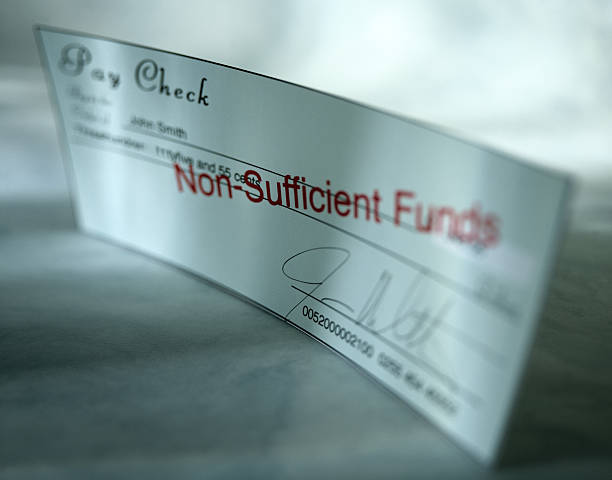
Scammers love sending these checks because they prey on two things most Americans over 45 have: a sense of hope and a trust in the mail system. You didn’t enter any contest, but the letter says you were “automatically entered” because you bought something once or because you have a “lucky customer number.” That detail makes it feel plausible. The check itself looks real, often drawn on what appears to be a legitimate bank. It may even have a watermark or a microprint line. But it is a counterfeit. Banks are required by law to make funds available within a few days, but that doesn’t mean the check is good. It can take weeks for the forgery to be detected. By then, you have sent the “processing fee” via wire transfer, a money order, or a reloadable gift card. Those methods are nearly impossible to reverse. The scammer is long gone with your real money, while the bank claws back the fake check amount from your account. You are left with a negative balance and a mountain of frustration.
Why do these scams work so well on middle-aged targets? Because you grew up in an era when the mail was reliable, when Publishers Clearing House really did show up with balloons and a big cardboard check. You remember neighbors winning trips and cars. That memory is what the scammer exploits. They know that people between 45 and 64 are often at a point in life where they are saving for retirement, helping adult kids, or dealing with medical bills. A few thousand dollars feels like a lifeline. The scammer also knows that if you are busy, working, or caring for aging parents, you might not think twice about cashing a check that arrives with an official-looking letter. You assume the bank will catch anything wrong. But banks do not verify checks before making funds available; they rely on you to know who sent it.
There are telltale signs that a sweepstakes prize is a lie. First, no legitimate contest asks you to pay money to collect a prize. That is the single biggest red flag. Real sweepstakes do not require you to wire taxes, pay processing fees, or buy insurance before releasing your winnings. The prize is yours. Second, you cannot win a contest you never entered. If the letter says you were “randomly selected” but you have no record of ever giving your name and address to that company, bin the letter. Third, look at the fine print. Legitimate sweepstakes always include official rules, a sponsor name with a physical address, and an explanation of how winners are chosen. The fake letters often skip these details or use a P.O. Box in a state like Florida or Nevada that is known for shady mail drops.
Another common variation is the “advance fee” call. Someone phones and says you have won a sweepstakes prize, but need to buy a money order for $250 to “activate” the winnings. Or they ask for your bank account number so they can “direct deposit” the prize, then use that number to empty your account. If you have caller ID and the number looks like a toll‑free 800 or 888, that means nothing—scammers spoof those numbers all the time. They can even make the incoming call look like it comes from Publishers Clearing House or a state lottery office. The rule is simple: never give personal financial information over the phone to anyone who called you first.
What should you do if you get such a check? Do not deposit it. Do not cash it. Do not send any money. Call your local consumer protection agency or the Federal Trade Commission. Report the scam. Then shred the check and the letter. If you have already deposited the check and sent money, call your bank immediately and tell them you suspect the check is counterfeit. They may be able to put a hold on the funds or help you dispute the withdrawal. But the sooner you act, the better. Time is not on your side once you have wired money.
The bottom line is that no legitimate sweepstakes company sends you a prize check out of the blue and then asks for a fee. There is no reason to pay to collect something you won for free. If it seems too good to be true, it is. Protect your savings, protect your peace of mind, and remember that the only person guaranteed to win in this scenario is the scammer.
Scam Watch
Protect it before they take it.

Sextortion Email Scams: What to Do When Someone Claims They Have Your Private Photos
How to Spot Foreclosure Rescue and Loan Modification Scams Before You Lose Your Home