The Sextortion Email Scam: Why You Should Never Pay
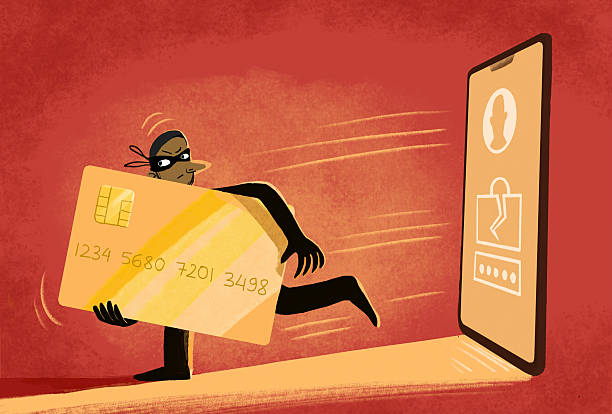
These criminals have built an effective business model on fear and shame. They buy massive lists of compromised email addresses and passwords from data breaches that have occurred over the last decade. When you see an old password in the email, it feels like proof they have hacked your computer. It is not proof. It is just evidence that some online service you used years ago got breached, and your information was sold on the dark web. The scammer has no access to your webcam, no video of you, and no control over your computer. They are bluffing using public information that they purchased for pennies per record.
The emotional manipulation here is precise and targeted. The scammer knows that people in the 45 to 64 age range are likely to have established careers, families, and reputations they care deeply about protecting. The threat of exposing private viewing habits to a spouse, children, coworkers, or church community creates a panic that overrides rational thinking. The scam gives a short deadline to prevent you from talking to anyone who might talk you out of paying. If you pay even once, your name goes on a list of people who comply, and you will be targeted again and again with escalating demands.
A variation of this scam does not involve adult content at all. Some criminals claim to have installed ransomware on your devices and threaten to delete your family photos, financial records, or work documents unless you pay them. Others claim to have proof of financial fraud or illegal activity. They all follow the same script: we have something damaging, we will release it if you do not pay, and you must act now in secret.
What should you actually do? First, do not respond to the email at all. Do not engage, do not negotiate, and do not open any attachments they may include. Block the sender and delete the message. Second, change the password that the scammer mentioned in the threat. If you still use that password anywhere else, change it immediately everywhere it appears. You should be using a password manager with unique, strong passwords for every site. Third, enable two-factor authentication on your email, banking, and social media accounts. This makes it far harder for criminals to actually access your information if they try to follow through on their threats.
If the email includes a specific threat that mentions real personal information like your home address or the name of a family member, you should file a report with the Internet Crime Complaint Center at the FBI. You should also report the Bitcoin wallet address provided in the email to the Treasury Department’s Financial Crimes Enforcement Network. Most importantly, talk to someone you trust. Scammers rely on isolation. When you tell a friend or family member what happened, you will almost certainly hear them laugh and say they got the same email last month.
Remember that these scammers are not skilled hackers. They are bullies who abuse old data to frighten people into sending them money. They operate from countries where law enforcement cannot easily reach them, and they send millions of these emails daily, knowing that if only a fraction of one percent of recipients panic and pay, they make a fortune. Your best defense is knowledge and a refusal to be intimidated.
Do not pay. Do not panic. Delete the message, update your passwords, and get on with your life. The only power these criminals have is the power you give them when you believe their lies.
Scam Watch
Protect it before they take it.

The Truth About Extended Warranties: How Retailers Profit from Your Fear

Retail Warranty Tricks: How to Spot Overpriced Protection Plans and Bad Service Providers