The Silent Threat of Synthetic Identity Fraud: When Crooks Build a Person From Parts

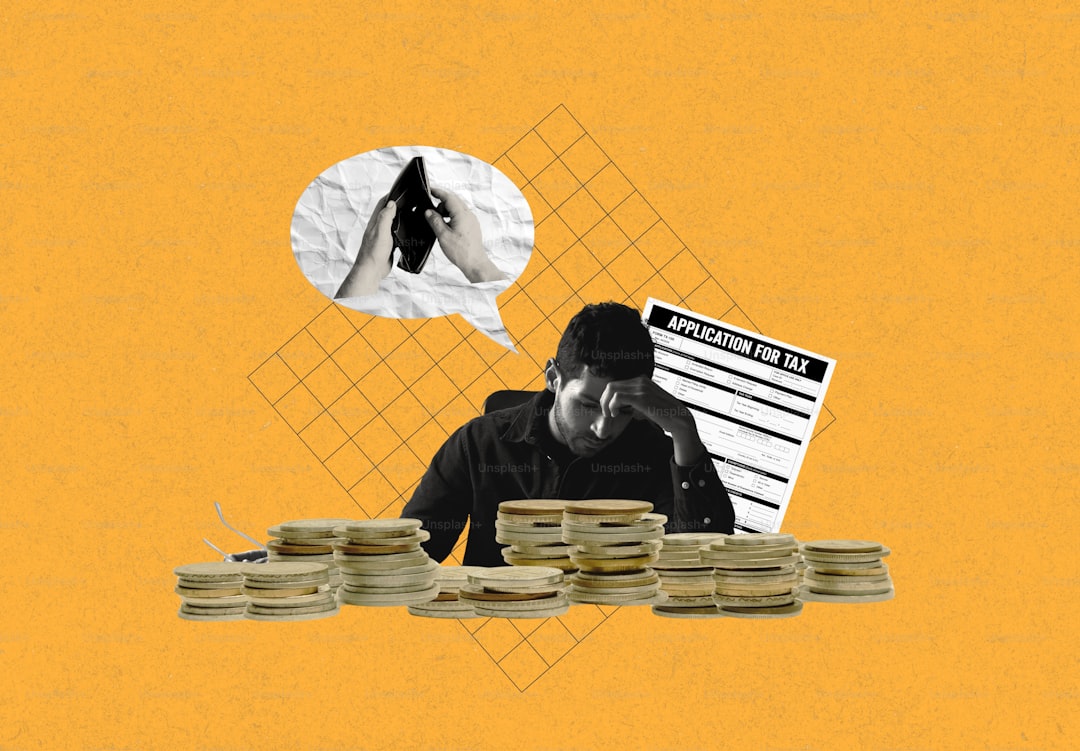
Synthetic identity fraud works like a jigsaw puzzle. Criminals take a real Social Security number and combine it with fake name, a fake birth date, and a fake address. Sometimes they use a real name but attach it to a different number. The result is a “synthetic” person – someone who doesn’t exist but can still get credit cards, car loans, even mortgages. For years, they keep this phantom borrower’s credit history clean. They make small purchases, pay them off on time, build up a solid score. Then, like a trap snapping shut, they max out every account and disappear. The lender is left holding a debt that belongs to no one.
Here’s the gut-punch for people in your age group. The most prized Social Security numbers for this scam are those belonging to children. Why? Because a child’s number is unused, unblemished, and won’t be checked for years. Parents don’t usually pull a credit report for their six-year-old. So criminals use that little kid’s number, pair it with a made-up identity, and run up tens of thousands of dollars in fraudulent debt. The child doesn’t find out until they turn 18, apply for their first student loan or car loan, and get denied. Then the nightmare begins.
You might think, “I don’t have young kids.“ But what about grandchildren? What about nieces and nephews? And there’s another angle you’re vulnerable to. Older Americans have a clean credit history too, especially if they’ve paid off their house and don’t use much credit. Thieves use your Social Security number and a slightly altered name – add a middle initial, change the suffix from Jr. to Sr. – to create a new identity that looks like you but isn’t you. The bills go to a rented mailbox. The collection calls never reach you. Until the IRS comes knocking or your bank account gets levied.
How do you spot synthetic identity fraud? Unlike traditional identity theft, you won’t see strange charges on your statement or unfamiliar accounts on your credit report right away. The fraud is hiding in the background, building a credit file for someone who doesn’t exist. The first sign might be a denial of credit you applied for. Or a random call from debt collector about an account you never opened. Or a letter from the IRS about unreported income from a job you never had. By then, the damage is deep.
What can you do about it, without losing sleep? First, check your own credit reports from all three bureaus – Equifax, Experian, and TransUnion – at least once a year. That’s free. But don’t stop there. Check your children’s credit reports too. If a child under 16 has any credit file at all, that’s a red flag. It shouldn’t exist. You can also place a credit freeze on your kids’ files. It costs nothing and prevents anyone from opening new accounts in their names. For older children and grandchildren, talk to them about protecting their Social Security number. It’s not just for taxes.
Another move: use a credit monitoring service that flags new account openings, not just changes to your existing accounts. Many banks offer this free. And consider setting up an IRS Identity Protection PIN. That’s a six-digit code you use when filing your taxes, making it much harder for someone to file a fraudulent return in your name. You can request it through the IRS website.
Finally, be skeptical of any request for your Social Security number. A doctor’s office might need it for billing, but a store asking to “verify your identity” for a discount? No. And never carry your Social Security card in your wallet. That card is a key to every door in your financial life.
Synthetic identity fraud is sneaky, but it’s not invincible. The crooks rely on you not looking. When you do look, when you freeze your kids’ credit, when you pull your reports and question everything, you become a hard target. And that’s exactly what you want. Because the scammers aren’t hunting for a challenge. They’re hunting for the easiest number they can find. Make sure it’s not yours.
Scam Watch
Protect it before they take it.


Leasing a Car With Open-End Balloon Risk
How Pig Butchering Scams Use Fake Romance to Steal Your Crypto Savings