The USPS Package Delivery Fee Is Fake
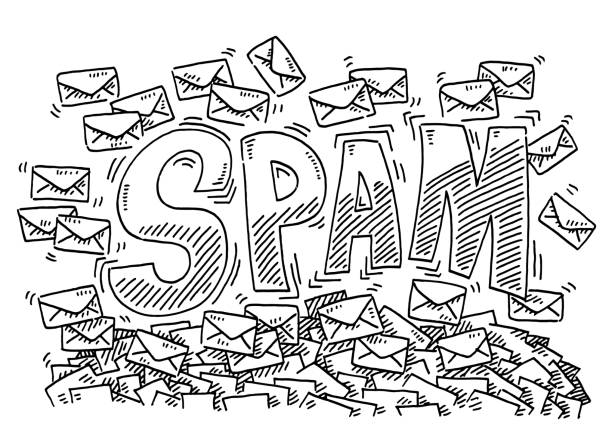
Smishing, a blend of “SMS” and “phishing,” refers to fraudulent text messages that impersonate legitimate organizations like the United States Postal Service, FedEx, or UPS. The USPS version typically reads something like this: “USPS: Your package is at the warehouse. Delivery suspended due to unpaid postage of $2.99. Please update your address and pay the fee.” The message includes a shortened link that looks official, often containing words like “USPS” or “tracking.” But that link leads to a fake website designed to look nearly identical to the real USPS site.
The scam works in two stages. First, the fake website asks for a small payment—usually between two and four dollars—to “release” the imaginary package. You enter your credit card or debit card number, expiration date, and CVV. Once the scammer has that information, they charge your card for a much larger amount, often several hundred dollars, or they sell your card details on the dark web. Second, the fake site may also ask for your full name, address, phone number, and even your Social Security number under the guise of “verifying your identity.” With that data, scammers can open new credit accounts, apply for loans, or commit identity theft in your name.
Why is this scam so effective? Because it preys on two things that nearly everyone deals with: package deliveries and small fees. Most Americans order things online regularly, and a $2.99 or $3.99 payment feels trivial. You might think, “It’s just a few bucks—I’ll sort it out later.” But that small amount is the hook. The urgency in the message—saying delivery is “suspended” or “will be returned”—pressures you to act quickly without thinking. Additionally, the text often arrives on a weekend or late at night, when you cannot easily call the post office to verify. This combination of low cost and high pressure is a classic con artist technique.
The USPS has been very clear about this scam. They never send text messages or emails asking for payment or personal information. The only way to pay for USPS postage or customs fees is through their official website (usps.com) or at a physical post office. If you receive a text like this, it is 100% a scam. The USPS does not have a “warehouse” where packages are held for unpaid fees. And the real USPS tracking system never requires you to click a link in a text message to release a package.
What should you do if you get one of these messages? First, do not click the link. Do not reply to the text, even to ask to be removed from a list—that only confirms your number is active and invites more scams. Instead, forward the entire text message to 7726 (which spells SPAM) on your phone. This free service, run by many wireless carriers, helps block future messages from the same source. Then delete the message from your phone. If you already clicked the link and entered any information, contact your bank or credit card company immediately to freeze the card. Place a fraud alert on your credit reports with all three major bureaus (Equifax, Experian, TransUnion) by visiting their websites or calling them directly. You should also file a report with the Federal Trade Commission at ftc.gov/complaint.
The USPS package delivery fee scam is just one example of a larger trend. Smishing attacks are rising fast because text messages feel more personal and trusted than email. Scammers know that people in their late forties to mid-sixties often view text messages as more secure than email, and they exploit that trust. Always remember: if a message creates urgency, asks for a small fee, and directs you to a link, it is almost certainly a scam. Legitimate companies and government agencies do not work this way. When in doubt, go directly to the official website by typing the address yourself, and call their customer service number to check. A few minutes of caution today can save you hundreds of dollars and months of dealing with identity theft tomorrow.
Scam Watch
Protect it before they take it.

How Fake Employers Steal Your I-9 Data

The Sextortion Scam: How Criminals Exploit Shame and Fear to Empty Your Bank Account