The Webcam Blackmail Scam: Don’t Send a Penny
Here is the truth. In the vast majority of cases, there is no recording. The scammers never broke into your computer. They bought your email address and an old password from a data breach. They send the same threatening message to millions of people, hoping that one real password will make someone bite. They are casting a massive net. The password is not evidence of access. It is evidence of a long-forgotten leak at some website. You are not being personally watched. You are just an entry on a spreadsheet. The threat is a bluff, pure and simple.
Why do scammers aim this at people in their fifties and sixties? Because you have built a lifetime of reputation. You care about what your neighbors think. You have a marriage to protect and an employment record that matters. You also have savings, which means you can pay quickly from a bank account. Younger people might roll their eyes and delete the message. Older adults often sit there in fear, even if they have done nothing wrong. The scammer knows that shame is a powerful weapon. That is why you must not let shame drive your decision.
Paying is the worst possible response. When you send Bitcoin, you prove you are willing to give in. The scammer will not delete the video. There is no video. They will simply add your name to a list of easy targets. Within a month, you will get another email, perhaps with a higher demand. You will also tell them that your email address is active and looked at. The only way to win this game is to refuse to play. Ignore the message completely and take steps to lock down your accounts. Your silence is your strength.
So what should you do? First, do not reply. Do not click any link in the email. Do not send money or cryptocurrency. Instead, forward the entire message to the FBI’s Internet Crime Complaint Center. Then delete the email. After that, change your passwords on all important accounts. Make each one unique and long. Turn on two-factor authentication for your email, bank and any financial site. Run a virus scan on your computer. These steps will protect you against any genuine breach, and they cost you nothing. That small effort buys you peace of mind.
Think about the logic for a moment. If a real extortionist had video of you, would they ask for a few hundred dollars? No. They would do research, find where you work, and demand tens of thousands. They would not send a mass-generated email with vague phrasing. The urgent twenty-four hour countdown is there to prevent you from thinking rationally. Bitcoin is used because it is harder to trace. Every detail in the message is designed to scare you into instant payment. Step back, take a breath, and look at the words objectively. The person writing them wants your money, not your reputation. This scam is nothing more than a confidence trick.
Finally, remember that police and federal agents never threaten you by email. No public authority will demand Bitcoin to suppress embarrassing material. That is blackmail, an actual crime. You are the victim, not the offender. Even if you did visit a site you regret, that does not make you a criminal. Everyone has an online history they would prefer kept private. The scammer exploits that feeling. But once you recognize the bluff, the threat vanishes. Delete the message, secure your accounts, and move on with your day. You have already won simply by refusing to be afraid.
Scam Watch
Protect it before they take it.

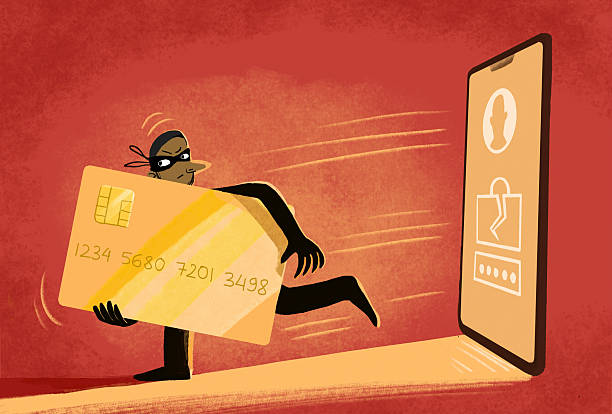
The Package Delivery Phishing Scam: How a Simple Text Can Empty Your Bank Account

Fake Missed Jury Duty Summons Alerts