The ‘Pig Butchering’ Romance Scam: How Strangers on the Internet Are Building Your Trust Just to Slaughter Your Savings
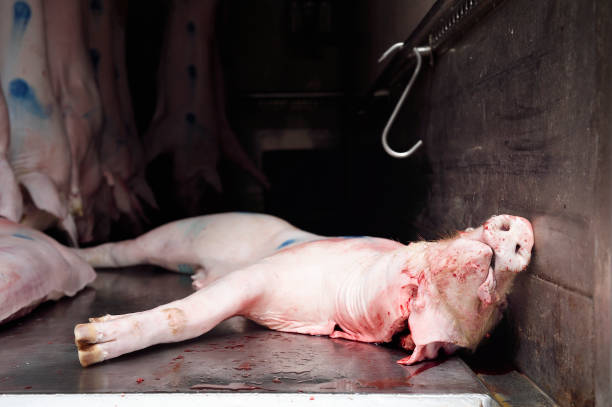
Pig butchering gets its name from the farmer’s practice of feeding a pig for months before slaughtering it. In the scam, the “pig” is you, and the “feed” is the scammer’s fake affection, attention, and manufactured trust. The entire relationship—every sweet message, every pretend shared interest, every late-night phone call—is a calculated investment. The scammer’s goal is not just to ask for money once. It is to convince you to invest large sums into a fraudulent cryptocurrency platform, a fake business, or a bogus online trading account. And by the time you realize the platform is a lie, the scammer has disappeared, and your money is gone for good.
These scammers operate out of vast criminal networks, often based in Southeast Asia, where they work in call centers with scripted playbooks and psychological manipulation tactics. They target middle-aged Americans because you are likely to have a nest egg—retirement savings, home equity, a decent income—and you are also more likely to be lonely, divorced, widowed, or simply looking for companionship after your children have left home. The scammers study your social media profiles, your interests, your vulnerabilities. They pose as attractive professionals: a successful engineer working on an oil rig, a widowed doctor raising a daughter, a military officer about to retire. They always have a reason they cannot meet in person or video chat reliably. Poor internet connection, remote location, secret government work. Excuse after excuse.
The “butchering” phase starts slowly. After weeks or months of daily flirting and emotional intimacy, the scammer mentions that they have been making money in cryptocurrency or forex trading. They show you screenshots of enormous profits. They offer to help you make the same gains. They send you a link to a trading platform that looks professional, with real-time charts and customer service. You deposit a small amount—say, five hundred dollars. The platform shows your investment growing. You withdraw a few hundred dollars successfully. That withdrawal is the final hook. Now you believe the platform is legitimate. The scammer urges you to deposit more. You take money from savings. You borrow from your 401(k). You sell property. You wire tens or hundreds of thousands of dollars to accounts that the scammer controls.
Then one day you try to withdraw again. The platform demands a “tax fee” or a “security deposit” to release your funds. You pay that, too. Eventually, the platform goes offline. The scammer blocks you on all channels. The number is dead. The profile is taken down. You are left with an empty account, a broken heart, and a financial hole that may never be repaired.
How do you spot this before it is too late? First, understand that any online relationship that moves too quickly toward declarations of love or financial involvement is a danger sign. If a person you have never met starts calling you “my love” or “my soulmate” within days, that is not romance; it is a script. Second, be deeply suspicious of anyone who insists on communicating only through messaging apps like WhatsApp, Telegram, or Signal—especially if they refuse to switch to a standard phone call or video chat. Third, know that no legitimate investment platform will be introduced to you by a romantic interest you met on a dating site. Real financial opportunities do not come with a side of flattery. Fourth, never, ever send money to someone you have not met face-to-face. No medical emergency, no military leave request, no shipping fee for a gift, no cryptocurrency investment is worth sending money to a stranger you have only known online.
If you feel something is off, talk to a trusted friend or family member. Scammers rely on isolation—they tell you not to tell anyone because “they won’t understand our connection.” That is a lie. Real love does not require secrecy. Also, run a reverse image search on any photos the person has sent. The vast majority of romance scammers steal pictures from real people’s social media accounts. If the image appears on a stock photo site or belongs to someone with a different name, you have your answer.
The Federal Trade Commission reports that romance scams cost Americans over a billion dollars every year, with older adults losing more than any other age group. Pig butchering is a particularly insidious version because it takes everything you have built over a lifetime. The loss is not just money. It is trust, dignity, and often the security of your retirement. You do not have to be foolish to fall for it. You just have to be human—lonely, hopeful, trusting. And that is exactly what these criminals count on.
Protect yourself the way you would protect any valuable asset: with skepticism, with caution, and with the willingness to say no, even when it hurts. A stranger on the internet who wants to “help” you get rich is almost certainly planning to get rich from you. Do not let them feed you until there is nothing left.
Scam Watch
Protect it before they take it.

How to Spot a Romance Scammer Before You Send Money or Personal Information
Store Branded Credit Card High-Pressure Sign-Ups