Threatening Police Accident Report Scams
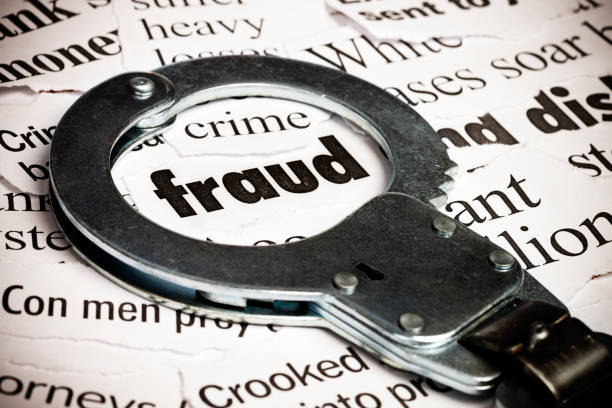
This is the core of the threatening police accident report scam. It’s a fast-growing form of digital extortion that preys on your fear of law enforcement and your trust in official-looking information. The scammers are not rogue officers. They are sophisticated criminals using spoofed phone numbers, fake police report templates, and social engineering to convince you that you have committed a crime you never actually witnessed. Their goal is simple: to panic you into paying before you have time to think.
The scam typically unfolds in three stages. First, you receive a call or a text message that appears to come from a real police station or sheriff’s office. The scammer may even mention the name of a real officer, which they find through public records or department websites. They tell you that a police report has been filed against you for leaving the scene of an accident. You are given a report number, a date, and a location. To make it feel more official, they may send a follow-up email that contains a PDF or a link to a fake police report website that mimics your local department’s official site.
Second, the scammer escalates the threat. They explain that because you failed to stop at the scene, you face criminal charges, possible jail time, and a suspended license. But there is a way out. If you pay a “fine” or a “bond” immediately, they can close the case without involving a judge. The payment methods are the classic red flags of any scam: prepaid debit cards like Green Dot, iTunes gift cards, or cryptocurrency. These are untraceable and irreversible. The scammers will stay on the phone with you, walking you through the purchase at a nearby store, insisting you stay on the line until the transaction is complete.
The third stage is the emotional hammer. If you hesitate or question them, they become aggressive. They may use recorded background noise of police radios or dispatch chatter. They may threaten to send officers to your home or workplace. They will tell you that your driver’s license will be revoked immediately, causing you to lose your job or your ability to drive your children to school. They rely on the fact that most middle-class Americans respect law enforcement and fear paperwork errors that can spiral out of control.
Here’s the truth you need to remember: real police departments do not call you to demand payment for a traffic accident report. They do not accept gift cards, cryptocurrency, or wire transfers for fines. If you have missed a court date or there is a warrant, an officer will typically show up in person with a physical document. The police will also never ask you to stay on the phone while you drive to a store to buy gift cards. That is a hallmark of extortion, not law enforcement.
The scam has become more dangerous because scammers are now using stolen data from data breaches or public motor vehicle records. They may know your driver’s license number, your address, and even the make and model of your car. This level of detail can deceive even cautious people. The accident they claim you were in may be entirely fake, but the report they show you—complete with a badge number and a case number—can be copied from a real incident that happened to someone else. They don’t need you to have been in a crash. They need you to be afraid enough to act without checking.
To protect yourself, adopt a simple rule: never verify personal information over the phone when someone calls you. If you receive a call about a police accident report, hang up. Look up the official non-emergency number for your local police department yourself—do not call the number the scammer gave you. Ask to speak to the officer named. In almost every case, you will learn the call was a fraud. Also, remember that law enforcement agencies will send you a written notice by mail for traffic violations. They will not create a payment deadline measured in minutes.
If you have already fallen for this scam, do not be ashamed. Thousands of middle-class Americans have lost money to these threats. Report the incident to the Federal Trade Commission at ReportFraud.ftc.gov and to your local police department’s fraud unit. Freeze your credit if you provided any personal data. And tell your friends and family—especially anyone who might be intimidated by a caller claiming to be a police officer. Scammers thrive on secrecy and shame. The more we talk about these tactics, the less power they have.
The bottom line: a real officer would never demand urgent payment by gift card for an accident report. That demand alone is a clear sign of extortion. Trust your instincts, verify independently, and never let fear override common sense.
Scam Watch
Protect it before they take it.


How to Spot Appliance Repair Scams Before You Pay a Dime
Sextortion Email Scams: What to Do When Someone Claims They Have Your Private Photos