Toll Road Unpaid Balance Texts
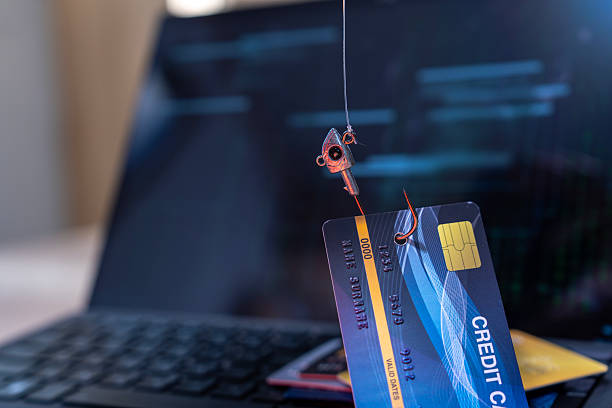
Smishing, a blend of SMS and phishing, has become one of the most common online scams of the past year. Scammers send mass text messages to random phone numbers, hoping that a small percentage of recipients will panic and act without thinking. The toll road unpaid balance text is particularly effective because toll charges are often small, unpredictable, and easy to forget. A driver might think, “Did I miss a payment on the toll road last month?” and click the link to check. That click is exactly what the scammer wants.
The link in the text message rarely leads to a legitimate toll agency website. Instead, it directs you to a fake login page that mimics the official site of a toll authority like E-ZPass, FasTrak, or SunPass. The page asks you to enter your email address, password, credit card number, or Social Security number to “resolve the balance.” Once you submit that information, the scammer now has access to your accounts and can drain your bank account, open new lines of credit in your name, or sell your data on the dark web. In some cases, the link itself downloads malware onto your phone, giving the scammer ongoing access to your texts, contacts, and banking apps.
The Federal Trade Commission and state toll agencies have issued warnings about this exact scam. In early 2024, the FBI issued a public service announcement noting a surge in smishing attacks targeting drivers in states like New York, New Jersey, Florida, Texas, and California. Yet the scam continues because it is cheap to execute and hard to trace. Scammers use spoofed phone numbers that appear local or official, and they rotate domains so quickly that security filters cannot keep up.
How can you tell if a toll road text is real? Legitimate toll agencies do not send unsolicited text messages demanding immediate payment. If you have an account with a toll authority, you will typically receive a bill by mail or an email notification from the same address you registered. Official text alerts, if any, come from a short code number, not a random 10-digit number. Real toll agencies also never ask for your Social Security number, date of birth, or full credit card details in a text message. If you are unsure, do not click the link. Instead, go directly to the toll agency’s official website by typing the address into your browser or calling the customer service number printed on your monthly statement.
What should you do if you already clicked the link? Act immediately. Contact your bank or credit card company to report the potential fraud and place a freeze on your accounts. Change the password on any accounts that use a similar email or password to the one you entered on the fake page. Enable two-factor authentication on your financial accounts for an extra layer of security. Then, file a report with the FTC at ReportFraud.ftc.gov and with your state’s attorney general’s office. Finally, forward the scam text to 7726 (SPAM), which allows mobile carriers to block the sender and warn other users.
The toll road unpaid balance text is just one variation of a broader trend. Smishing attacks now also target package delivery notifications, bank fraud alerts, and even fake charity drives. The common thread is urgency: scammers want you to react before you think. As you get older, you become a more attractive target because you are more likely to own a car, have a credit card, and carry a balance. Do not let a fake toll notice cost you real money. Delete the text, block the number, and verify any unpaid balance through official channels. Your caution is the best defense against these digital pickpockets.
Scam Watch
Protect it before they take it.


#Title Washing: The Used Car Scam That Can Turn Your Purchase Into a Legal Nightmare
Fake Delivery Texts: How Missed Package Scams Trick You Into Giving Up Money and Data