"We Buy Ugly Houses" Price Bait and Switch
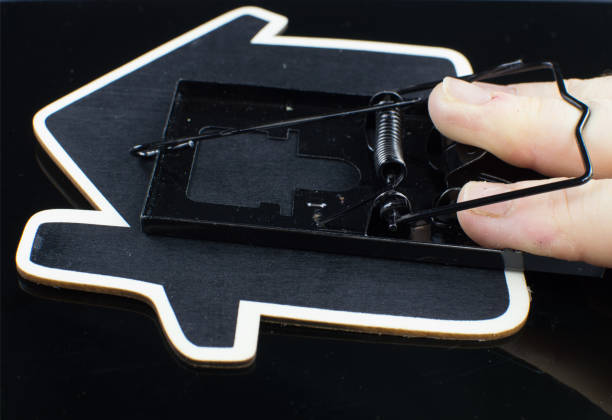
The bait is simple. A company or independent investor runs ads promising to buy any house regardless of condition. They emphasize that you will not need to clean, repair, stage, or even show the property. They claim to pay “fair market value” or “a price you can accept.” The hook is speed and convenience. For older homeowners facing a sudden move, a divorce, medical bills, or an inherited property that is a money pit, this sounds like a lifeline. You call the number, and a cheerful representative schedules a walkthrough. At this point, you are already emotionally committed. You have cleaned out closets, maybe taken a day off work, and started imagining the cash in your bank account.
Here is where the switch happens. The representative arrives, walks through the house, and makes a verbal offer that seems reasonable—say, $150,000 for a house that might need $40,000 in repairs but is worth $200,000 fixed up. You agree tentatively. They hand you a stack of papers to sign. But buried in that stack is a series of clauses that allow the investor to back out or adjust the price after a formal inspection. The “inspection” is often performed by an associate who lists every conceivable problem—some real, some exaggerated. Suddenly, the offer drops to $90,000. The investor says take it or leave it, but reminds you that you have already canceled showings, told your realtor you are going another route, or perhaps even paid for a home inspection yourself. The pressure is immense. Many seniors accept out of exhaustion or desperation.
This bait-and-switch is not a rumor. The Federal Trade Commission and state attorneys general have taken action against several national cash-home-buying chains for deceptive advertising. In one well-known case, a company called HomeVestors (the franchise behind the “We Buy Ugly Houses” slogan) faced lawsuits alleging that their franchisees systematically lowballed sellers after luring them in with promises of fair offers. The company settled, but the practice continues at franchise locations and by independent operators who mimic the model. The key insight for the 45–64 demographic is that you are specifically targeted because you are likely to own a home outright or have substantial equity. Scammers know you may be less tech-savvy about real estate contracts and more trusting of a face-to-face meeting.
What can you do to avoid being conned? First, never sign anything during the initial walkthrough. Get the verbal offer in writing, but more importantly, get a second opinion. Have a licensed appraiser or a realtor you trust evaluate the property before you even call a cash buyer. If a company refuses to give you time to do this, walk away. Second, understand that “as-is” does not mean you must accept any price. You have the legal right to reject an offer at any point before you sign the final deed. Do not let a representative rush you into a closing in 48 hours. Third, compare multiple offers. If one cash buyer drops their price after inspection, call another company. The small number of legitimate investors will honor their initial quote if you have not misrepresented the property.
Finally, remember that Unreputable exists to keep you informed. This is not a rare scam. It is a predictable outcome of an industry that preys on homeowners who need a quick exit. The “We Buy Ugly Houses” model is not inherently evil, but the bait-and-switch version is a textbook offline consumer ripoff. If an offer sounds too easy, too fast, or too good to be true, slow down. Call your state’s consumer protection office. Run the contract past a real estate attorney. Do not let a smiling salesperson and a promise of cash blind you to the fine print. Your home is likely your biggest asset. Selling it should be a transaction, not a trap.
Scam Watch
Protect it before they take it.


Store Branded Credit Card High-Pressure Sign-Ups
The Truth About Student Loan Forgiveness Scams: Don’t Pay for What You Can Get for Free