Why the Post Office Won't Text You Links
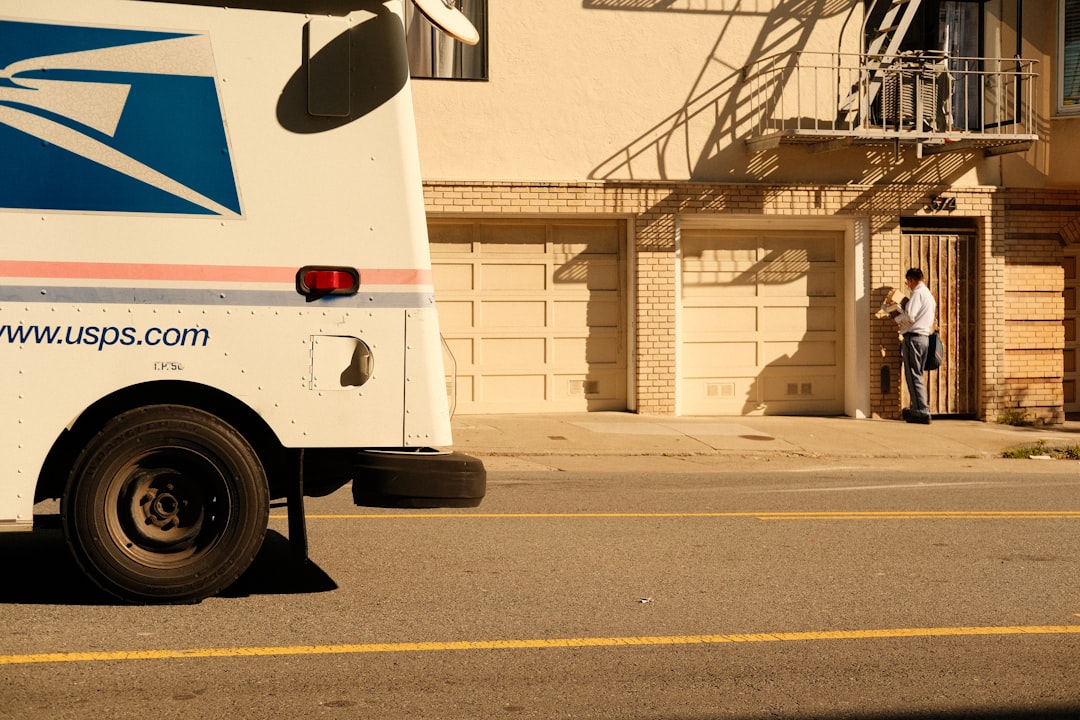
The United States Postal Service has clear, consistent policies about how it communicates with customers. When you have a package that requires a signature or cannot fit in your mailbox, the carrier leaves a physical notice—a pink or yellow slip—at your door or in your mailbox. That slip includes a tracking number and instructions to schedule a redelivery online or pick it up at your local post office. The Post Office does not send unsolicited text messages with links asking you to verify your address, pay a small fee, or update your delivery preferences. If you are already expecting a package, you might receive an email or text alert from the USPS if you signed up for Informed Delivery, but those messages never contain clickable links to payment pages or request sensitive data like your Social Security number or credit card details. Instead, they direct you to the official USPS.com website or your Informed Delivery dashboard. The scam versions, known as “smishing” (SMS phishing), mimic this legitimate service but include a fraudulent link that leads to a look-alike website.
The scam typically begins with an alarming message: “USPS: Your package has a missed delivery. Reschedule here: [link]” or “Postal Service: Your item could not be delivered due to incomplete address. Click to update.” The scammer hopes you panic—maybe you just ordered something from Amazon or a loved one sent a gift. You click the link, and the fake site asks for your name, address, phone number, and often a “small fee” of a dollar or two to release the package. That small fee conveniently collects your credit card number and billing ZIP code. In more aggressive versions, the site installs malware on your phone, giving scammers remote access to your texts, contacts, and banking apps. Within hours, they can drain your account or use your identity to open new lines of credit.
Why do these scams work so well on people aged 45 to 64? Many of you handle household logistics—ordering supplies, paying bills, receiving prescriptions by mail. You trust the Post Office as a government institution, so a message that looks official can break your guard. Scammers exploit that trust by using USPS branding, authentic-looking URLs, and urgency. They know you are less likely to question a “missed package” than a random stranger asking for money. But here is the hard rule: No legitimate delivery service, including USPS, UPS, or FedEx, will text you a link to pay for a package you never ordered. If you did order something, check the tracking number on the official app or website, not through a text link.
Think about the logistics. The Post Office delivers millions of packages daily. If they texted every missed delivery, the system would be chaotic. USPS relies on your local post office and your mail carrier—real people who leave paper notices. They do not have a centralized “text everyone who misses a package” feature because that would require your phone number, which they typically do not have unless you voluntarily provided it for Informed Delivery. Even then, Informed Delivery alerts only show images of your incoming mail and packages, and they never ask for payments.
To protect yourself, adopt a simple habit: Never click links in unsolicited texts about packages. Instead, open a web browser and type USPS.com directly. Log into your Informed Delivery account or use the tracking number from the physical slip. If there is a fee or missing information, you will see it only on the official site. Forward any suspicious texts to the USPS at 7726 (spam) and report them to the FTC. The middle-class American’s defense against these scams is not just caution—it is knowing the institution’s real behavior. The Post Office delivers mail, not links. Remember that, and you will keep your packages and your identity safe.
Scam Watch
Protect it before they take it.

The Silent Theft: How Synthetic Identity Fraud Robs You Without You Knowing