Work-from-Home Job Scams: Warning Signs of Fake Employers and Fake Paychecks
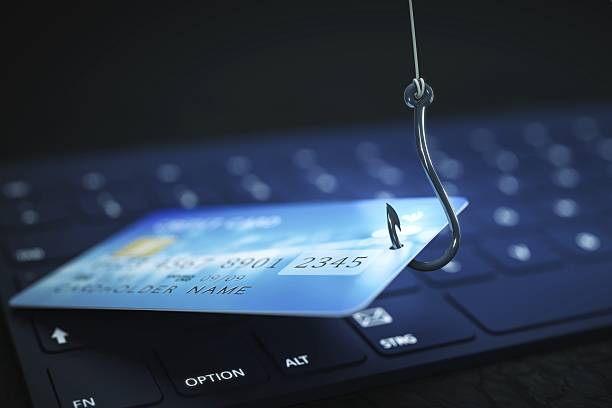
One common version is the fake check or fake payment job. You are hired as a “payment processing agent” or “financial assistant.“ The employer sends you a check, often by overnight mail, and tells you to deposit it, keep part as salary, and wire the rest to a supplier or vendor. Your bank may make the funds available quickly, but that does not mean the check is good. By the time the bank discovers it is counterfeit, you have already sent your own money out. You are responsible for the entire amount. The scammer disappears, and your account may be frozen or closed. For people living on savings or Social Security, that loss can be devastating.
Another version is the reshipping scam. The “job” is to receive packages at your home, inspect them, and mail them to another address. The employer may call you a shipping coordinator. In reality, the packages were bought with stolen credit cards. You become the middleman. When law enforcement traces the stolen goods, they trace them to your address. You could face legal trouble or identity theft. You may also be asked for a copy of your driver’s license, Social Security number, and bank details for payroll. That information can be used to open credit cards, file fake tax returns, or take out loans in your name.
Some work-from-home scams start with an unpaid training or equipment purchase. The employer says you need special software, a laptop, a background check, or certification before you can begin. You pay by gift card, wire transfer, or cryptocurrency because the “company” says those methods are faster or more secure. After you pay, the job disappears. Legitimate employers do not ask new hires to pay for training or equipment with gift cards. If a company insists on payment before you earn a paycheck, stop.
Other scams use the promise of a job to harvest personal information. You fill out an application with your date of birth, address, and Social Security number. Then you get a call for an interview that is really a script. The caller asks for a photo of your ID, a selfie, or your bank account number for direct deposit. Once they have enough, they can impersonate you. You may not know anything is wrong until a tax return is rejected or a collection call starts.
The warning signs are consistent. The pay is too high for the work. The hiring manager only communicates by text or a free email account. The company has no real address or phone number. The interview happens on a messaging app. You are asked to deposit a check and send money onward. You are asked to buy gift cards or send crypto. You are asked to receive packages and reship them. You are rushed. You are told the offer expires today. You are told not to discuss the job with anyone. Any one of these is a red flag. Two or more should end the conversation.
Protect yourself by slowing down. Research the company name with the words “scam,“ “complaint,“ or “review.“ Call the company using a number you find on your own, not the number in the email. Never deposit a check from an unknown employer and send money back. Never use your personal bank account to move money for a job. Never reship packages for someone you have not met. Never pay for a job with gift cards, wire transfers, or cryptocurrency. Never give your Social Security number or bank details until you have verified the employer through an independent source. If you suspect a scam, report it to your state attorney general, the Federal Trade Commission, and your bank. A real job pays you. It does not ask you to pay, transfer, or risk your own money.
Scam Watch
Protect it before they take it.

Hurricane Debris Removal Upfront Cash

Extended Warranty and Price-Match Traps at Major Retailers