Your Tax Refund Is a Bait: How Phishing Scams Steal Your Money
This is not an isolated story. Every tax season, thousands of Americans aged 45 to 64 fall for what security experts call “seasonal phishing.“ The scammers know that you are expecting to hear from the IRS. They know you are in a hurry to get your refund. They know you are less likely to double-check a message when it concerns money you already believe is yours. That is the hall of shame trick: they use the authority of a trusted institution and the timing of a real event to make you drop your guard.
The emails are not crude anymore. The grammar is perfect. The logos are scraped from the actual IRS website. The sender address might say “irs.gov” with a small variation, like “irs-gov.com” or “irs.secure-verify.com.“ Your name appears in the greeting because they bought it from a data broker. They even include a fake case number and a threat that your refund will be delayed indefinitely unless you act within 24 hours. That urgency is the tell. The real IRS will never email you out of the blue. They send letters through the postal service. They do not ask you to click a link to resolve a refund problem. They do not ask for your bank account number over email. Yet every year, the phishing emails get more convincing, and the losses get bigger.
The scam does not stop at email. Text message phishing, or smishing, has exploded. You might get a text that says, “IRS: Your tax refund has been rejected due to incorrect bank info. Click here to update.“ The link leads to a page that asks for your full name, your date of birth, your driver’s license number, and your online banking credentials. Once you type those in, the scammers can log into your real bank account, or worse, use your information to file a fraudulent tax return in your name before you do. That is called tax identity theft, and it can take months to untangle. You will not see your refund for a year, and you might end up with a criminal investigation on your head because the scammers used your Social Security number to claim a fake refund.
There is also the phone call version, called vishing. A robocall with a synthetic voice that sounds like an IRS agent tells you that you owe back taxes and a warrant has been issued for your arrest. To avoid the warrant, you must pay immediately with gift cards or a wire transfer. Older adults are especially targeted because they are more likely to answer unknown numbers and feel intimidated by authority. The scammers use the emotional fear of jail time to push you into acting without thinking. Remember, the IRS will never call you to demand immediate payment. They will never ask for gift cards. Any call demanding that is a scam, full stop.
So how do you spot these phishing attempts before they ruin your tax season? First, look at the actual email address, not the display name. If the sender is “IRS” but the email ends in “@gmail.com” or “@outlook.com,“ delete it. Second, hover your mouse over the link. Do not click. At the bottom of your browser, you will see the real web address. If it does not end in “.gov,“ it is fake. Third, understand that the IRS initiates contact by mail. If you get an email or text first, treat it as poison.
Do not call the number in the email. Do not reply to the text. Instead, go to the official IRS website by typing the address yourself into your browser. Call the IRS directly at 1-800-829-1040 if you think there is a real problem. Report phishing emails to phishing@irs.gov. Keep copies of the scam message as evidence. If you already entered your information, contact your bank immediately to freeze your accounts, place a fraud alert on your credit report, and file a report with the FTC at IdentityTheft.gov. The faster you act, the less damage you can stop.
The scary truth is that this phishing playbook does not just work for tax refunds. The same people who send fake IRS emails also send fake Social Security notifications, fake Medicare updates, and fake utility bills. They rotate the bait depending on the season. But the hook is always the same: fear, urgency, and a request for sensitive information. The moment you feel your heart beat faster because an official email says your money is at risk, pause. Take a breath. Do not click. Verify through a known official channel. That one pause can save you thousands of dollars and months of misery.
You have worked too hard to hand your savings to a criminal in an email. Stay sharp, stay skeptical, and remember: the real IRS will never send you a text message with a link to your refund. That is not how government works. That is how scammers work. And you are too smart to take the bait.
Scam Watch
Protect it before they take it.


Gold and Precious Metals IRA Scams: How Crooks Target Your Retirement Savings
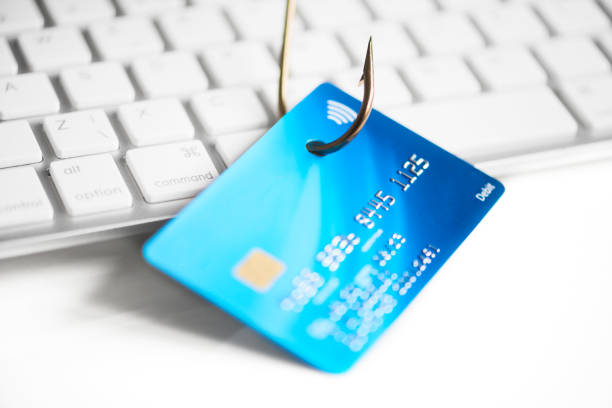
Pig Butchering Recovery Scams: The Same Crooks Come Back for More