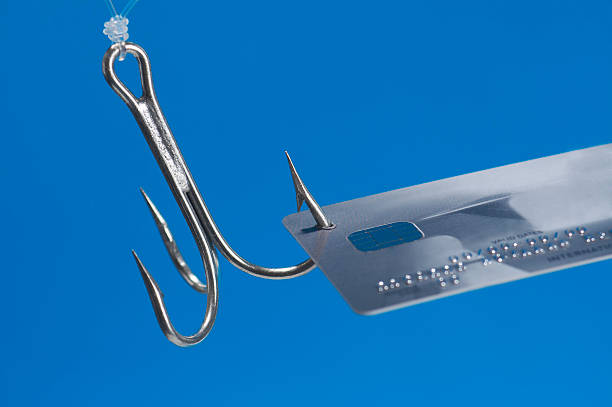
Barcode Swapping at Self-Checkout
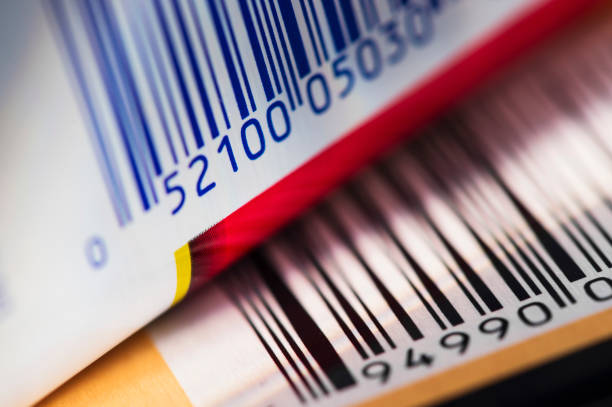
Barcode swapping works like this: a scammer enters a store, often a large retailer like a home improvement chain or a supermarket, and picks up an expensive item—say, a $60 steak, a high-end power tool, or a premium bottle of liquor. They then find a cheap, near-identical version of that item. For example, they might swap the barcode from a $5 pack of gum onto that expensive steak, or peel off a barcode from a discount store item and stick it onto a $200 appliance. At self-checkout, the scanner reads the lower-priced barcode, the system charges a few dollars, and the scammer walks out with goods worth ten times that amount. What makes this especially dangerous for middle-class shoppers is that the theft is invisible until inventory audits reveal losses—and those losses are often passed on to us in higher prices.
Now, you might be thinking: “That’s a problem for the store, not me.” But here’s the rub. Self-checkout machines are increasingly monitored by AI systems and human attendants. When a barcode mismatch triggers an alarm—like a weight discrepancy or a missing scan—store employees are trained to assume the customer made an honest mistake. But if you’re the next person in line, and a previous scammer’s swap has left a faulty barcode on an item you pick, you may get flagged as suspicious. Worse, if the store’s loss prevention team reviews footage later, they might tie your transaction to the swapped barcode, leaving you to explain a crime you didn’t commit. This isn’t paranoia. In 2023, a Florida woman was charged with theft after she unknowingly scanned a swapped barcode on a toy her child had picked from a shelf. Her case was eventually dismissed, but not before hours of legal hassle and a permanent blemish on her consumer record.
The real connection to gift card tampering is the method: both scams rely on the same fundamental dishonesty of altering a code to misrepresent value. With gift cards, crooks tamper with PINs or scratch-off panels to drain balances after you load them. With barcodes, they physically swap labels to trick the scanner. And just like tampered gift cards, the barcode swap fraud is hitting offline retailers hard. A 2024 report from the National Retail Federation estimated that organized retail crime—including barcode manipulation—costs $112 billion annually. Self-checkout is a key vector because it removes human oversight, making it easier for a skilled swapper to slip through. Meanwhile, the rest of us pay the price through increased security measures, longer wait times as attendants double-check scans, and higher markups to cover losses.
How do you protect yourself? First, inspect every item you plan to buy. Before scanning, look at the barcode on the package. Is it neatly attached? Does it match the product’s brand name and model? If you see a crooked sticker, a second barcode underneath, or a label that looks like it was hastily applied, set that item aside. Report it to a store employee. Do not scan it yourself. Second, avoid self-checkout for high-value or oddly packaged items. If you’re buying electronics, expensive meats, or gift cards, use a staffed register. A cashier is your best defense against a swapped barcode because they can notice a mismatch. Finally, keep your receipts. If you ever get a call from a store’s loss prevention team—or worse, the police—your receipt proves what you actually scanned and paid for.
This scam thrives on our busy lives. We rush through self-checkout, trusting that the scanner knows what it’s doing. But in the offline world, trust is a liability. Just as you’d never hand over cash for a prepaid card with a scratched-off PIN, don’t assume a barcode is genuine just because it’s on a shelf. Report any suspicious labels to store managers immediately. And if you see someone lingering near self-checkout, swapping stickers or covering barcodes with their hands, alert security. This isn’t being nosy—it’s protecting your own wallet and your reputation. Unreputable is here to keep you informed, because the quietest crimes often cost the most.
Scam Watch
Protect it before they take it.

The Webcam Extortion Email: What to Do When a Stranger Threatens to Expose You
The Email That Looks Exactly Like Your Bank