Cartel Threat Text Variations
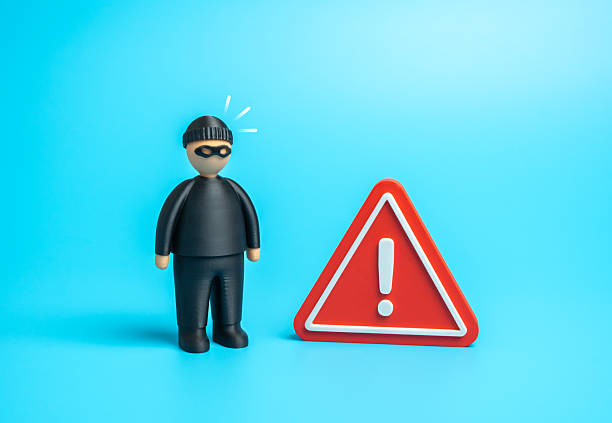
The typical cartel threat text arrives from an unfamiliar number, often with an area code that does not match your own. The message usually begins with a menacing salutation, such as “Listen carefully” or “I have been hired to kill you.” It might claim the sender has access to your location, your family’s names, or your daily routines. This is pure fabrication. Scammers harvest basic information from public databases, social media profiles, or data breaches to make the threat seem credible. For example, they might mention your city or the make of your car, which they can find through a simple online search. The core goal is to trigger immediate fear, bypassing rational thought.
One common variation is the “debt collection” ruse. The scammer claims you owe money to a cartel for a drug deal you never made or for a loan you never took. The threat escalates quickly: “Pay $5,000 by noon or we will visit your home.” Another variant involves a supposed “hit order” that can be canceled for a fee. The text might read, “We have been paid to eliminate you, but we can spare your life for $3,000 in Bitcoin.” A third variation uses a vague but urgent tone: “Your activities have been monitored. This is your only warning. Send payment now or face consequences.” In all cases, the scammer demands payment via untraceable methods such as Bitcoin, gift cards (Google Play, Amazon, iTunes), or reloadable prepaid debit cards like Green Dot MoneyPak. Legitimate threats never demand payment in gift cards—that is a universal red flag.
These extortion texts prey on the same psychological triggers as other online scams: isolation, urgency, and authority. The scammer wants you to feel alone and panicked, so you act without verifying anything. They may include a photo of a weapon or a screenshot of your home from Google Maps to amplify the fear. Do not respond. Responding confirms that your number is active, which often leads to more aggressive targeting. Do not click any links in the text, as they may install malware or phish for your login credentials. Instead, block the number immediately and report it to the Federal Trade Commission (FTC) at ReportFraud.ftc.gov. You should also forward the text to 7726 (SPAM), which helps carriers filter malicious messages.
While these threats are rarely real, you should take reasonable precautions. If the message includes specific threats about harming your family or damaging your property, consider filing a report with your local police department. Law enforcement agencies are aware of this scam and can add a record to your file, which may help if the threat escalates—though it almost never does. Also, check your privacy settings on social media. Scammers often find personal details on public profiles like Facebook or LinkedIn. Adjust those accounts to “friends only” and avoid posting your daily schedule, home address, or family photos in public view.
The cartel threat text is just one variation of a broader category of digital threats that also includes fake IRS calls, tech support scams, and “sextortion” emails. In all cases, the pattern is the same: a stranger claims to have damaging information or the ability to harm you, then demands money to make it stop. Remember that actual criminals do not send warnings. They do not give you time to cancel a hit. They do not ask for gift cards. This scam works because it preys on our most basic instincts: protect yourself, protect your family, survive. Recognize that impulse, take a breath, and remind yourself that no legitimate threat comes through a text message demanding Bitcoin.
Stay skeptical, stay informed, and always verify before you panic. If you or someone you know has received a cartel threat text, share this information. Knowledge is the best armor against extortion. You do not have to live in fear of a message that is nothing more than a digital bluff.
Scam Watch
Protect it before they take it.

After-Hours Trip Fee Bait and Switch
That Virus Warning on Your Screen Is Trying to Steal Your Money