Spear Phishing: The Personalized Scam That Knows Too Much
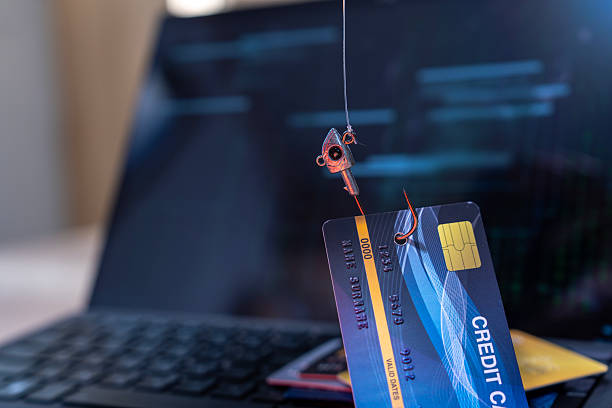
Spear phishing is the smarter, more dangerous cousin of regular phishing. Instead of casting a wide net with a generic “Dear Customer” message, scammers research you first. They may pull your name from a data breach, find your workplace on LinkedIn, or dig up a recent purchase from a social media post. Using that information, they craft an email, text, or even a phone call that feels personal. They might pretend to be your boss asking for an urgent wire transfer, your credit card company alerting you to a suspicious charge, or a vendor you have used for years requesting payment to a new account. The goal is always the same: to get you to act quickly and without thinking.
Why do scammers target people aged 45 to 64? Because you have assets. You own a home, have retirement savings, carry credit cards with high limits, and often manage finances for your family. You also tend to trust institutions more than younger generations do. A scammer knows that if they can make an email look like it came from your mortgage lender, your investment firm, or your utility company, you are more likely to click. And because spear phishing emails are individually crafted, they bypass the spam filters that catch bulk phishing. They land right in your inbox.
The real shocker is how much personal data is already out there. The 2017 Equifax breach exposed the names, Social Security numbers, and addresses of nearly half the U.S. population. Since then, dozens of other breaches have leaked everything from your email login to your mother’s maiden name. Scammers buy this data on the dark web for pennies per record. Then they feed it into automated tools that generate convincing messages. A spear phishing email might reference your recent trip to a hotel chain you actually stayed at, or mention a doctor’s appointment you had last month. That is not coincidence. That is a database talking.
Once you click a spear phishing link, the damage can unfold quickly. You may land on a fake login page that looks identical to your bank’s real site. When you type your credentials, the scammer captures them. Within minutes, they can drain your checking account or apply for credit in your name. Other times, the link downloads malware that gives the scammer remote control of your computer. They can then steal saved passwords, read your email, or lock your files and demand a ransom. In the worst cases, spear phishing leads to identity theft that takes years to clean up.
How do you spot a spear phishing attempt? First, examine the sender’s email address closely. It might look like your boss’s name but come from “@company‑support.com” instead of the real company domain. Second, watch for urgency. Spear phishing messages often claim you must act within hours or your account will be frozen. Real companies give you time. Third, never click links in unsolicited emails. Instead, open a new browser tab and go directly to the official website. If the message claims to be from your bank, call the number on the back of your card, not any number in the email.
You should also enable two‑factor authentication on your email and financial accounts. Even if a scammer gets your password, they cannot log in without a code sent to your phone. That extra step stops the majority of spear phishing attacks cold. Additionally, use a password manager. It will never autofill your credentials on a fake website because the URL does not match. That is a built‑in warning system.
Finally, talk to your family and coworkers about spear phishing. Scammers often target employees in finance or HR. If your company’s CEO gets a fake email that appears to come from you, and they wire money based on it, you could be held responsible. Make sure your workplace has procedures for verifying money transfers by phone or in person.
Spear phishing is not going away. The technology behind it improves every year, and artificial intelligence now lets scammers mimic writing styles and voices with chilling accuracy. Your best defense is skepticism. Before you click, pause. Ask yourself: Does this message really make sense? Would my bank ask me to click a link to fix a problem? Why is this email asking for personal information that the sender should already know? When you stop and think, you break the scammer’s spell. That moment of doubt is worth more than any security software. Use it.
Scam Watch
Protect it before they take it.

The Mortgage Rate Lock Trap: How Brokers Get You to Pay More
Pig Butchering Recovery Scams: The Same Crooks Come Back for More