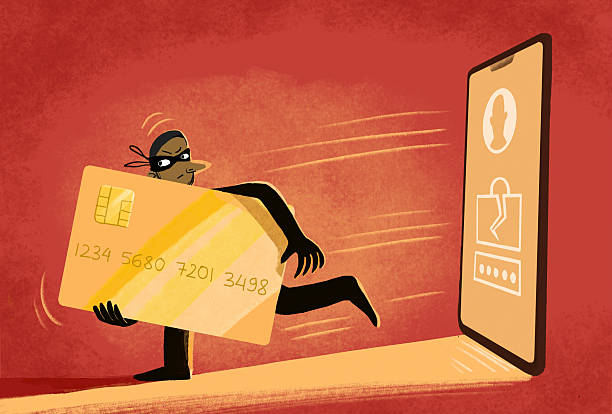
Extended Warranty Upsells and Price-Match Games: How to Spot Retail Store Pricing and Warranty Tricks

Price-match promises deserve suspicion. A sign may say the store matches any advertised price, but the rules are narrower. The competitor must have the identical model number in stock. The price cannot come from a third-party marketplace, membership club, clearance rack, open-box item, bundle, or typo. It may have to be a local store within a certain distance, and the match may be allowed only before checkout or for a few days after. Retailers also create exclusive model numbers so you cannot compare apples to apples. A television at one store may have a slightly different suffix than the same television at another, which lets the store deny the match. Watch for “compare at” or “was” prices that were never actually charged. A sale price is meaningless if the regular price was inflated.
Warranty language is full of traps. A “lifetime warranty” may last only as long as the company exists or cover one part. A “satisfaction guarantee” may require the original receipt, packaging, a restocking fee, return shipping, and an inspection. “Bumper-to-bumper” does not mean everything. “No deductible” can still mean you receive a depreciated check rather than a new item. “Free replacement” may come with shipping and handling. Some plans require registration within thirty days; miss that deadline and the plan is void. Others demand maintenance records, exclude cosmetic damage, wear and tear, power surges, or accidental damage unless you buy a higher tier. Once you use part of the coverage, the plan ends. Auto-renewal clauses can quietly charge your card every year unless you cancel. Ask who backs the contract.
Your best defense is to read the terms before buying. Ask for a printed copy. Check the manufacturer warranty length and your credit card benefits. For appliances, many major brands are reliable enough that a service plan is a poor bet. For phones, compare a store plan with the manufacturer’s coverage or carrier insurance. If you do buy an extended warranty, put it on a credit card, keep the paperwork, and mark the renewal date. A two-hundred-dollar warranty on an eight-hundred-dollar item is a twenty-five percent premium. A local repair shop may fix it for less. For price matching, take a photo of the competitor’s price and model number. Verify the model before you ask. If the store refuses to match, ask about its price adjustment policy. If it still refuses, buy elsewhere.
Return policies and restocking fees are part of the same game. Big-ticket items may carry a fifteen percent restocking fee. Open-box products may have a shorter warranty or missing parts. If a delivery arrives damaged, write the damage on the paperwork before signing. Do not accept “we will fix it later” without a written commitment. Installation damage may not be covered by the product warranty. Get names and keep every receipt.
A warranty is a bet that the product will fail. Price matching is marketing, not charity. Your real protections are research, receipts, a credit card, and the willingness to walk away. If a deal only feels safe because of an expensive warranty, it is not a good deal. If a price seems too low, ask why. If the salesperson says not to worry about the details, worry. Buy based on total cost, not monthly payments. These tricks target everyone, but they especially catch shoppers who value security and service. Slow down, get the terms in writing, compare, and decide with your head.
Scam Watch
Protect it before they take it.


How to Spot Advance-Fee Job Scams That Target Work-from-Home Seekers
How to Spot a Student Loan Forgiveness Scam Before You Lose Your Money