Synthetic Identity Theft: The Quiet Credit Killer
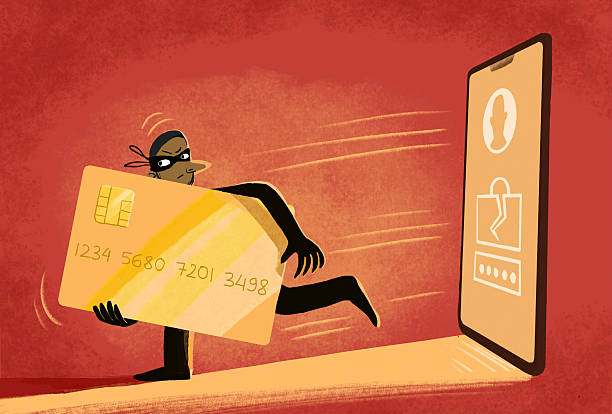
Unlike classic identity theft, where a crook takes your whole identity and runs up charges in your name, synthetic identity theft builds a brand new person from scratch. The thief takes a real Social Security number—yours, maybe, but more likely your child’s or even someone who’s been dead for years—and pairs it with a made-up name, a fake address, a phony date of birth. They create a fictional human being that doesn’t exist anywhere except on paper. Then they spend months, sometimes years, building up a credit history for this ghost. They get a store credit card. Pay it off. Get another. Pay that off. They’re patient. They’re building trust. And when the credit limit hits a comfortable level, they go on a shopping spree and disappear.
You might think, “That’s not my problem. They’re using a fake name.“ But what happens when that fake Social Security number belongs to your twelve-year-old? Or your late mother? The scam works because lenders check credit files, not identities. They see a number that matches a file, and they assume the person is real. So the ghost gets credit. The ghost borrows money. The ghost defaults. And when the banks come looking for repayment, they find you—or your kid—holding the bill for a debt you never knew existed.
Here’s why synthetic fraud is so insidious: you won’t see it coming. With regular identity theft, you notice a weird charge, a new card in the mail, a bill for something you didn’t buy. You catch it in a few days or weeks. Synthetic identity theft gives you no such warning. That fake person has a credit file, but it’s not attached to your Social Security number in a way that shows up on your own report. So you go about your life, oblivious, until years later when you apply for a mortgage or a car loan and get denied. The bank tells you your credit is ruined because of a debt you never took on. By then, the ghost is long gone and the damage is done.
So what can you do? First, stop pretending this only happens to other people. The scammers aren’t just targeting millionaires. They’re targeting anyone with a Social Security number, and they especially love children because a child’s number is clean. A kid won’t check their credit report. Neither will you, probably, but you should. That’s the blunt truth: the only way to catch synthetic identity theft is to look for it. Call the three major credit bureaus—Equifax, Experian, TransUnion—and request a credit report for every member of your family, including minors. In most states, you can do this for free. Check for any accounts or inquiries you don’t recognize. If you find a credit card on your five-year-old’s record, you’ve been hit.
Second, freeze your credit. Not just your own, but your kids’ as well. A credit freeze locks your file so no one can open a new account in that name without you lifting the freeze. It’s free, it’s simple, and it stops synthetic fraud cold because the thief can’t get approval for that first card. Yes, it’s a hassle when you want to open a new line of credit yourself. You have to remember to unfreeze and refreeze. That’s a small price to pay for protecting your identity from a ghost that doesn’t exist but can haunt your credit for decades.
Third, stop handing out your Social Security number like it’s a loyalty card. Every time a doctor’s office, a gym, or a utility company asks for it, say no. Ask why they need it and what happens if you don’t provide it. Most of the time, they don’t need it. That number is the key to your entire financial life. Treat it like the combination to a vault, not a phone number.
And if you get a letter from the IRS saying a tax return was filed in a child’s name, or a collection agency calls about a debt you’ve never heard of, don’t ignore it. That’s the smoke alarm. Take it seriously. Run a full credit check. Notify the Federal Trade Commission. File a police report. The longer you wait, the harder it is to untangle the mess.
Synthetic identity theft is a quiet crime. It doesn’t steal your wallet. It doesn’t empty your bank account in one flash. It works in the dark, building a fake history with your real number, and it only comes into the light once the damage is done. You can’t stop it by being careful with your mail. You can’t stop it by checking your statements. You stop it by checking your credit—and your family’s credit—before anyone else does.
Scam Watch
Protect it before they take it.


The Contractor Who Wants a Big Deposit Upfront: How to Spot a Home Renovation Scam Before You Lose Your Money
How to Spot a Student Loan Forgiveness Scam Before You Lose Your Money