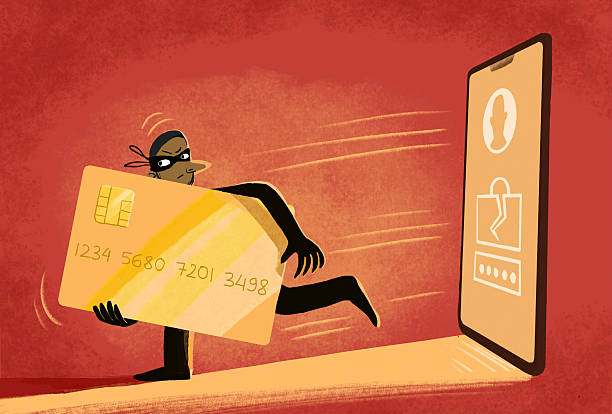
Fake Bank Fraud Alerts Asking for PINs
Smishing—short for SMS phishing—is the text-message cousin of email phishing. Scammers send bulk messages that appear to come from legitimate banks like Chase, Bank of America, Wells Fargo, or credit unions. They spoof the sender ID so the message shows up in your existing conversation thread with your real bank, making it look authentic. The urgency is deliberate. The scammer wants you to act fast, without thinking. They claim your account will be locked, charged, or emptied unless you immediately verify your details. But no legitimate bank will ever ask for your PIN, password, or full Social Security number via text. That is the first red flag you cannot ignore.
Once you reply with your PIN, the scammer now has the key to your debit card. They can use it at ATMs to withdraw cash, make purchases online, or even clone your card. If you call the number they provide, a fake “bank representative” will ask for your PIN, account number, and often your one-time passcode sent by the real bank. They may even keep you on the line while they drain your account in real time. This is not a simple mistake—it is a targeted theft that relies on your panic. The Federal Trade Commission reports that smishing attacks have surged, with losses totaling hundreds of millions of dollars annually. Victims often do not notice the theft until they check their balance days later, and by then the money is gone, often transferred to accounts overseas or used to buy untraceable gift cards.
How do you spot a fake bank fraud alert? Look for generic greetings like “Dear Customer” instead of your name. Legitimate banks always address you by your full name or username. Check the phone number. Real bank short codes (like 72166) are registered and consistent. Scammers often use random 10-digit numbers or numbers that look official but have subtle differences. The message itself will contain spelling errors, unusual grammar, or a sense of extreme urgency. “Act now or your account will be suspended” is a common line. Real fraud alerts from banks never demand immediate action through a text reply. They typically instruct you to call the number on the back of your card or log into your bank’s official app or website.
If you receive a suspicious text, do not reply. Do not click any links. Do not call any number in the message. Instead, contact your bank directly using the number on your debit card or your bank’s official website. Forward the suspicious text to 7726 (SPAM) so your carrier can investigate. Then delete the message. If you have already replied with your PIN, call your bank immediately to freeze your account and report the fraud. Change your online banking password and monitor your account for any unauthorized transactions. Your bank may issue a new debit card and reverse charges if you act quickly.
Scammers rely on panic and trust. They know you fear losing money, so they create a fake emergency to override your caution. They also know that people over 45 often have accumulated savings and are less likely to question a message that looks official. This is why education is your best defense. Treat every unsolicited text asking for personal information as hostile until proven otherwise. No real financial institution will text you out of the blue and demand your PIN. That simple rule can save you thousands of dollars and hours of stress. Stay skeptical, stay slow to act, and always verify through channels you control. Your PIN is the final lock on your money—never hand it over to a stranger who texts you.
Scam Watch
Protect it before they take it.

Crypto Pig Butchering: How Fake Investment Mentors Steal Retirement Savings

The New Face of Identity Theft: Synthetic Identity Fraud