Fake Lottery and Sweepstakes Wins: How Prize Mills Drain Your Bank Account
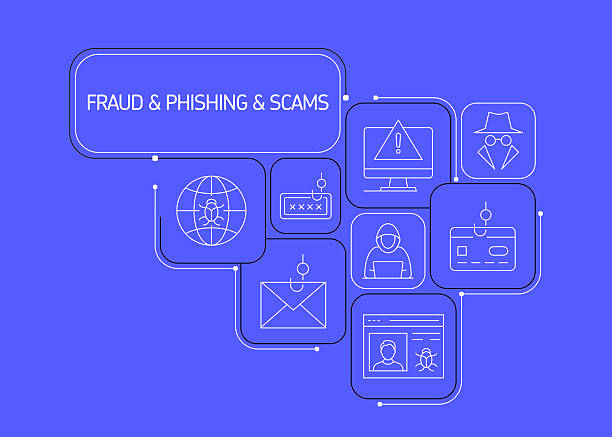
Prize mills and fake lottery operations often work the same way. They buy or trade lists of names, phone numbers, and addresses. Some send official-looking letters with seals, barcodes, and claim numbers. Others call from spoofed numbers that look like local area codes or government offices. A few use relay operators or voice-over-internet services to hide their location. The message is always urgent: you have won, but only if you act now. Some prize mills are legal but misleading. They promise a prize in exchange for buying magazines, vitamins, travel packages, or other products. The prize may be a tiny rebate, a discount voucher, or a chance in another drawing. Criminal operations go further. They demand cash, gift card codes, wire transfers, or cryptocurrency. They may mail a fake check and tell you to deposit it, keep part, and send the rest to a claims agent. The check bounces after your bank makes funds available. You are left owing the bank and possibly facing fraud questions.
People between 45 and 64 are prime targets. They often have savings, home equity, retirement accounts, and good credit. They may be polite, trusting, or lonely. Scammers exploit those qualities with authority, urgency, and flattery. They pose as Publishers Clearing House, Mega Millions, customs officials, lawyers, or tax agents. They may say you must keep the win secret to avoid fees or jealous relatives.
Several red flags should stop you cold. You are asked to pay money to receive a prize. Payment is requested by gift card, wire transfer, cryptocurrency, cashier’s check, or money order. You are asked for your bank account number, Social Security number, driver’s license, or passport. A check arrives for “taxes” and you are told to send part of it elsewhere. The caller insists you not tell family, friends, or your bank. You are pressured to act today because a courier is waiting or a warrant will be issued. The letter gives a phone number to call for your “claim,“ but the number belongs to the scammer.
Legitimate sweepstakes follow clear rules. No purchase is necessary. Buying something does not improve your odds. Winners are chosen randomly, and sponsors do not ask for fees or banking information to award a prize. If you did not enter, you cannot win. Real lotteries have official claim centers, public rules, and procedures. They do not call winners out of the blue and demand gift card codes.
Prize mills often blur the line between marketing and fraud. Their mailings may say “guaranteed winner” in large type. The fine print reveals that everyone is a winner of a chance to buy something or a low-value coupon. Responding confirms your address and puts you on more lists. Not every prize mill is illegal, but the result is the same: you spend money and receive little or nothing of value.
If you are contacted, slow down. Hang up or throw the letter away. Do not pay, deposit checks, or share personal information. Verify independently using an official website or phone number you find yourself. Talk to a trusted family member, accountant, attorney, or bank officer before acting. If you have sent money, call your bank immediately. Report the scam to the Federal Trade Commission, the FBI’s Internet Crime Complaint Center, your state attorney general, and the U.S. Postal Inspection Service if mail was involved. You can also contact your state lottery or the legitimate sponsor directly.
Protect older relatives and friends. Review their mail, set up call blocking, and talk through common scenarios. A demand for secrecy is a sign of abuse, not a special opportunity. Banks can flag unusual withdrawals, and you can add a trusted contact to accounts.
No real prize requires you to pay first. If an offer sounds too good to be true, it is. The only winner in these schemes is the scammer. Your best defense is skepticism, delay, and a second opinion. When someone pressures you to act before you can think, that pressure is the product. Treat every unexpected prize notice as a sales pitch or a crime until proven otherwise.
Scam Watch
Protect it before they take it.

Synthetic Identity Theft: The Quiet Credit Killer

You Haven’t Won a Million Dollars: How Fake Sweepstakes Letters Target Your Wallet