How Crooked Used Car Dealers Fake the Odometer Reading
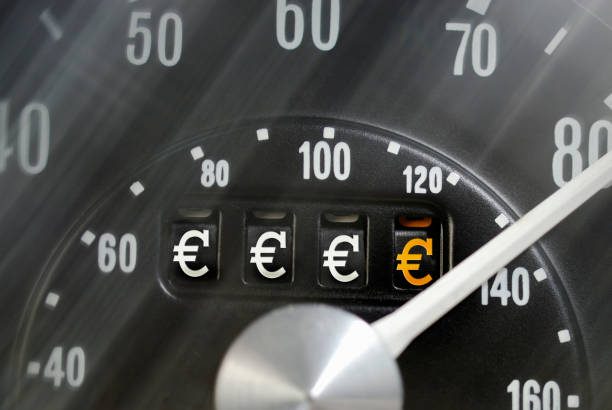
The old method was mechanical. A crook would pull the dashboard cluster and physically spin back the numbers or replace the entire unit with one showing lower miles. That still happens, but modern cars with digital odometers require more sophisticated work. Thieves use electronic tools to reprogram the mileage stored in the car’s computer modules. They might swap in a used instrument cluster from a low‑mileage wrecked car and then alter the vehicle identification number in that cluster to match the car you are looking at. Some go further and hack the onboard diagnostic port to reset the mileage in multiple modules at once. The result is a digital display that shows forty thousand miles when the car has actually rolled two hundred thousand.
Your first line of defense is your own eyes. Look at the car’s interior with suspicion. The driver’s seat is your biggest clue. On a low‑mileage vehicle the outer edge of the seat bolster should be firm with minimal wear. If the foam is sagging, the fabric is shiny, or the leather is cracked, that seat has seen far more than sixty thousand miles of getting in and out. The same goes for the steering wheel. A worn, smooth, or peeling rim at the ten‑and‑two positions tells you the car has been driven hard and long. The brake pedal pad should still show its original texture. If it is worn down to the metal or shiny plastic, that car has racked up serious journey time. Door handles, especially the driver’s, should not be worn smooth. Even the carpet near the pedals—look for a hole worn through the rubber mat or a depression in the carpet.
Move outside and check the tires. A car with low miles should have the original tires, and those tires will have a date code stamped on the sidewall. That code is a four‑digit number, for example 2319, meaning the twenty‑third week of 2019. If the tires are newer than the car’s model year, that is not necessarily a problem—tires wear out. But if the car claims to have thirty thousand miles and the tires are brand new, ask why. More importantly, if the tires are old and worn, yet the odometer says low miles, that is a red flag. A thirty‑thousand‑mile car should still have decent tread left.
Your next step is the paper trail. Ask for the vehicle history report from Carfax or AutoCheck. But do not treat these reports as gospel. They only show what has been reported. A car that was repaired at a small independent shop, or one that was never serviced at a dealership, may have large gaps in its history. Look for consistent mileage entries. If the report shows fifty thousand miles at a service three years ago and then suddenly thirty‑five thousand miles at a dealership a year later, you have a clear rollback. Also check for any title branding like “not actual mileage” or “exceeds mechanical limits.” Those are legal flags that warn you the odometer has been tampered with or is broken.
Better than any report is a pre‑purchase inspection from a mechanic you trust. Spend the hundred dollars. An experienced mechanic can read the wear on suspension components, engine belts, water pump, and alternator. They can plug a scan tool into the car’s computer and pull the true mileage stored in the transmission control module or engine control unit. Many modern cars record mileage in multiple places, and a rollback job that only changes the dashboard display will leave those hidden readings intact. The mechanic can also check for signs of a swapped instrument cluster, such as loose screws or mismatched VIN stickers.
Do not let the seller rush you. A common pressure tactic is to claim another buyer is waiting. Stand your ground. Ask for a written odometer disclosure statement. Federal law requires any seller transferring ownership to provide a signed statement of the mileage, and if they know it is false, they are committing a felony. A shady dealer may refuse to give you that paper or try to brush it off. Walk away. There are plenty of other cars.
Finally, trust your gut. If the car’s condition does not match the miles, something is off. A ten‑year‑old car with forty thousand miles should look and drive like a pampered garage queen. If it feels loose, rattles, has worn pedals, and smells like stale fast food, those miles are almost certainly fake. You do not need to become an expert mechanic. You just need to slow down, look carefully, and ask the right questions. The scammer counts on you being in a hurry. Do not give them that satisfaction. Your wallet and your safety depend on it.
Scam Watch
Protect it before they take it.


Timeshare Exit Company Non-Delivery

"Obama Era" Student Loan Forgiveness Fees